New Neighborhoods Created New Routines
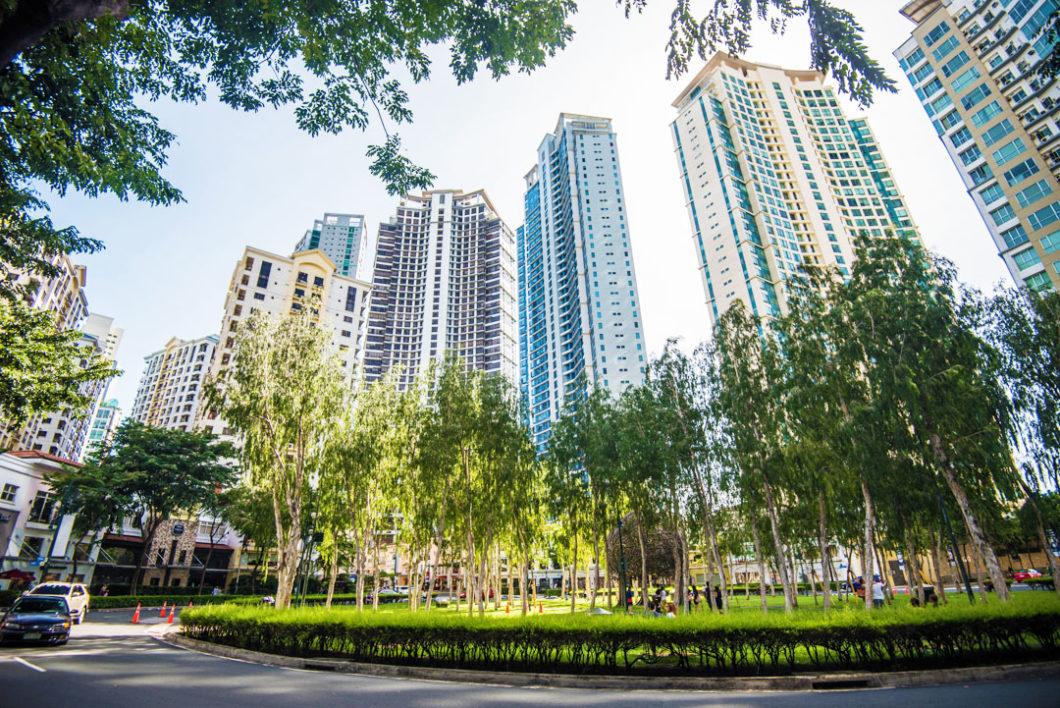
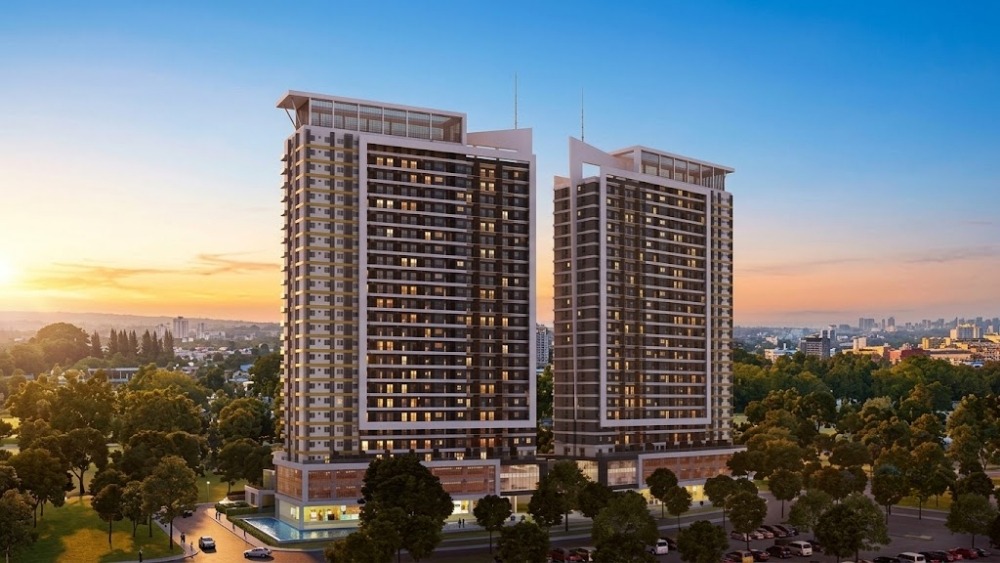
As subdivisions spread farther from older commercial centers, residents naturally developed different movement patterns around shopping, dining, and leisure. Weekend traffic now appears heavier in districts that previously felt disconnected from city activity. Small businesses quickly follow these residential shifts because daily demand already exists nearby. Cafés, convenience stores, and food parks increasingly appear beside housing developments instead of downtown alone. The city’s geography is stretching socially as much as physically.
Real Estate Is Influencing Lifestyle Choices
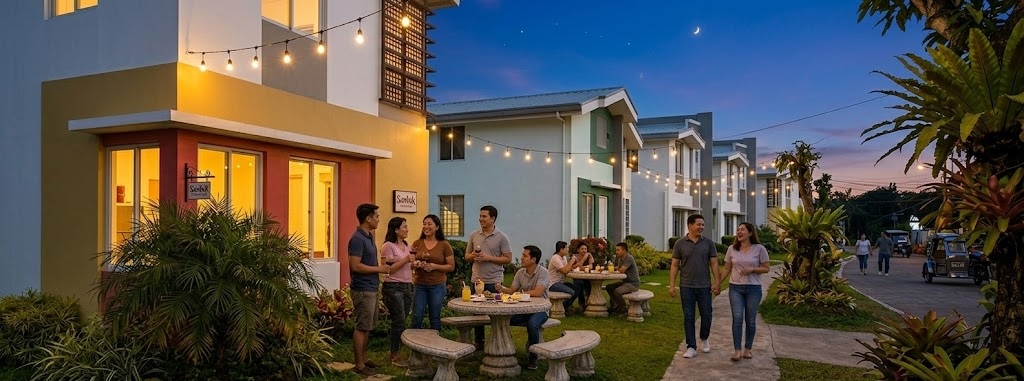
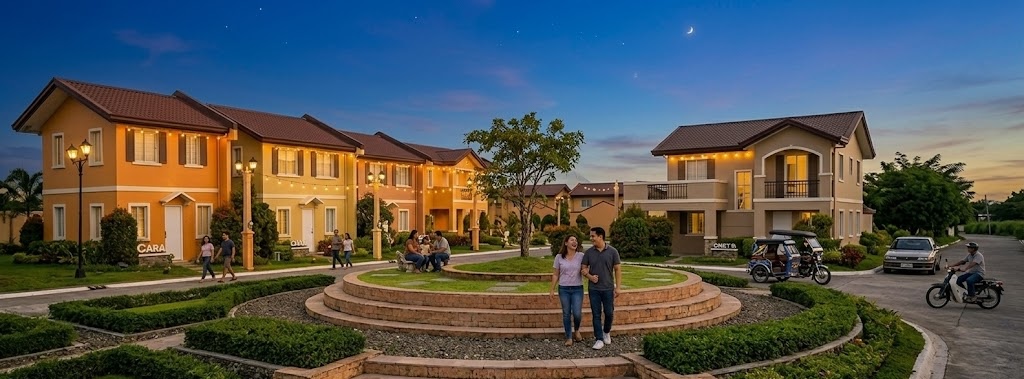
People choosing newer residential communities often prioritize quieter environments, parking space, and proximity to schools over closeness to older business districts. This changes how weekends look because families spend more time inside suburban pockets rather than traveling constantly toward central Bacolod. Commercial activity adapts accordingly. Neighborhood life becomes more self-contained. Residents begin building routines around nearby establishments instead of citywide movement.
Why Growth Feels Different Now
Older waves of urban development often concentrated around major roads or singular commercial hubs. Bacolod’s current expansion feels more fragmented and spread out. Multiple districts are growing simultaneously, creating several smaller activity centers instead of one dominant core. Some residents enjoy the convenience this brings while others miss the simplicity of older traffic patterns. Either way, the city’s rhythm is changing quietly.