Comfort Food Without the Performance
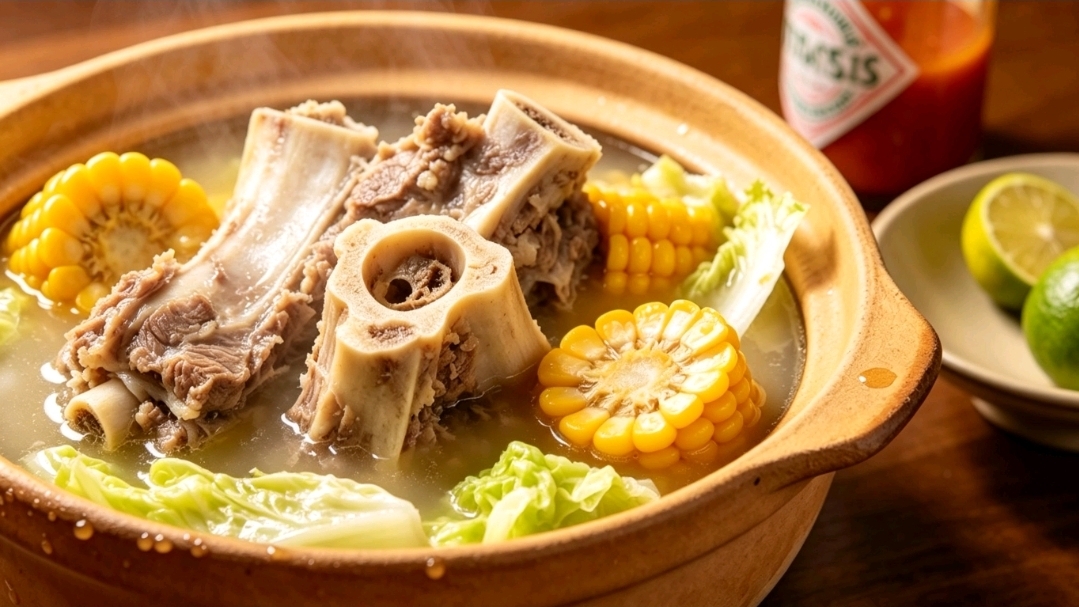
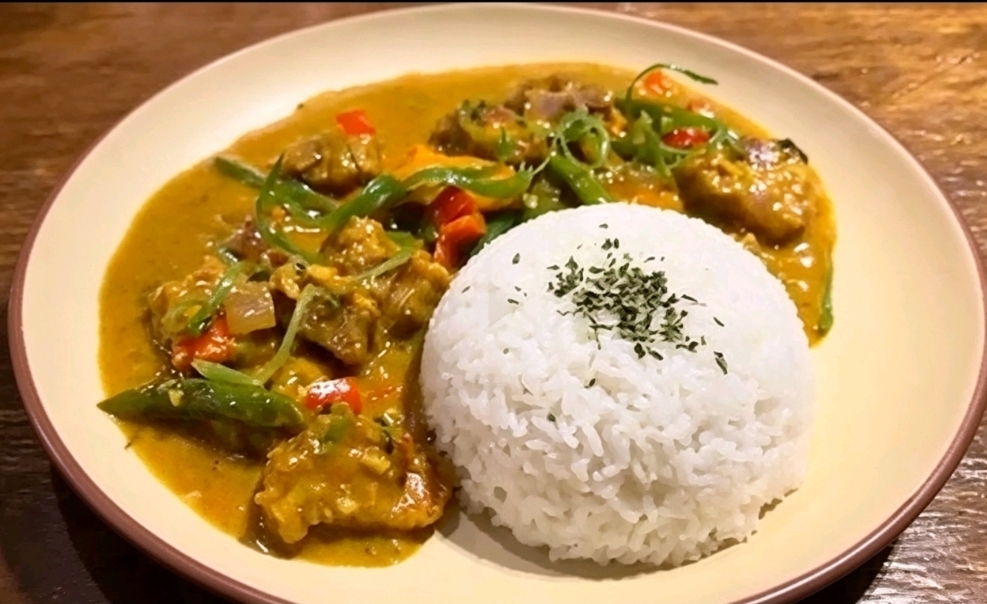
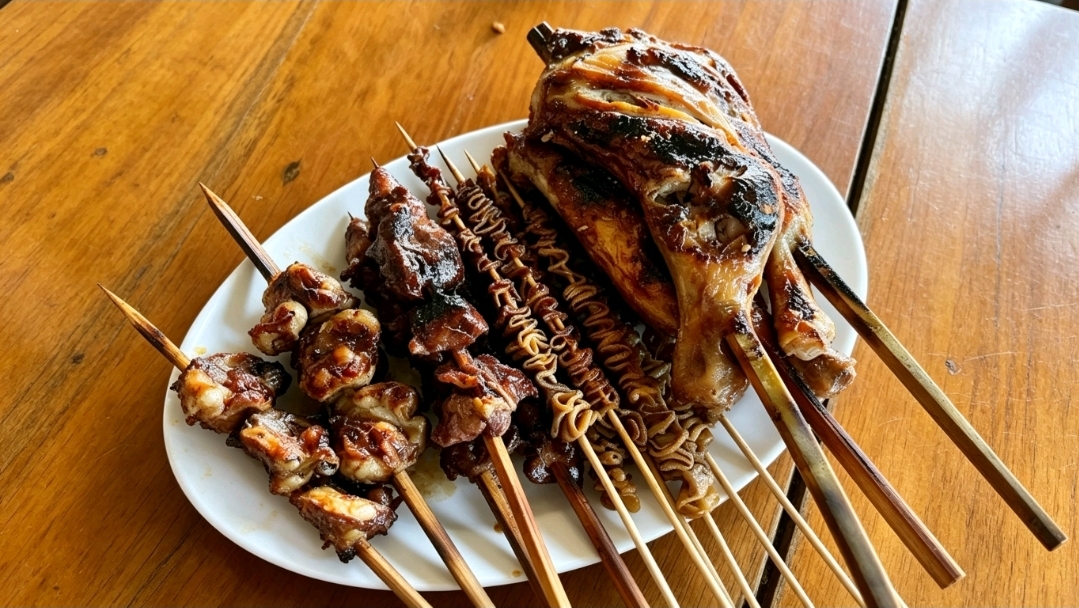
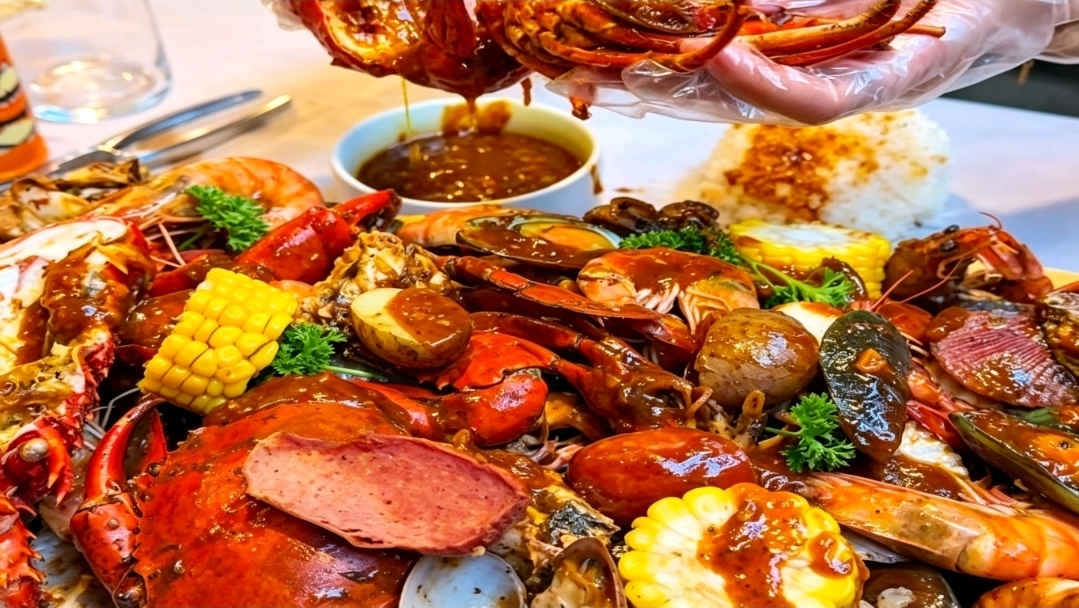
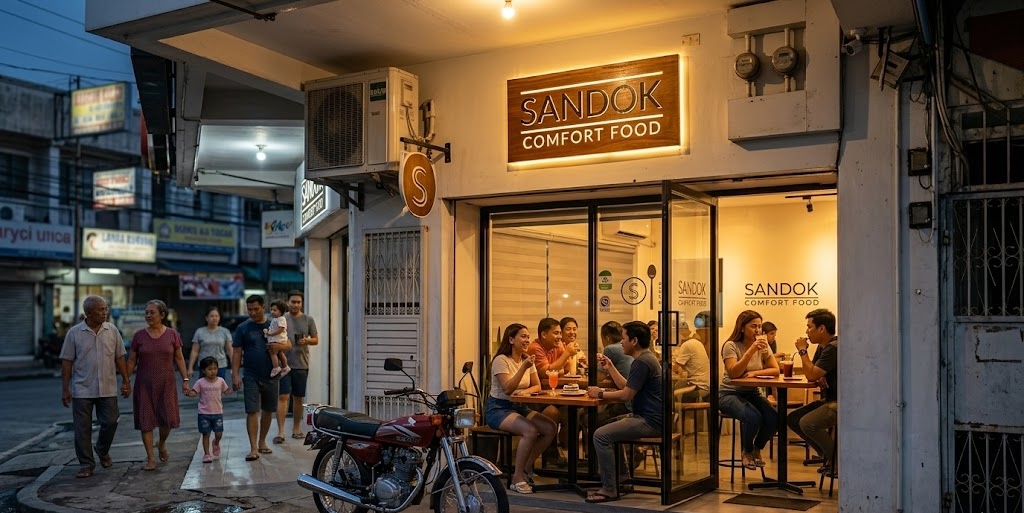
Sandok works because it avoids turning ordinary meals into elaborate concepts. Customers come for soups, grilled dishes, rice meals, and recipes that feel close to home cooking instead of social media staging. Lunchtime crowds build steadily because diners already know what to expect before arriving. The restaurant feels relaxed rather than curated. In Bacolod, consistency often creates stronger loyalty than novelty.
Office Workers Quietly Built Its Reputation
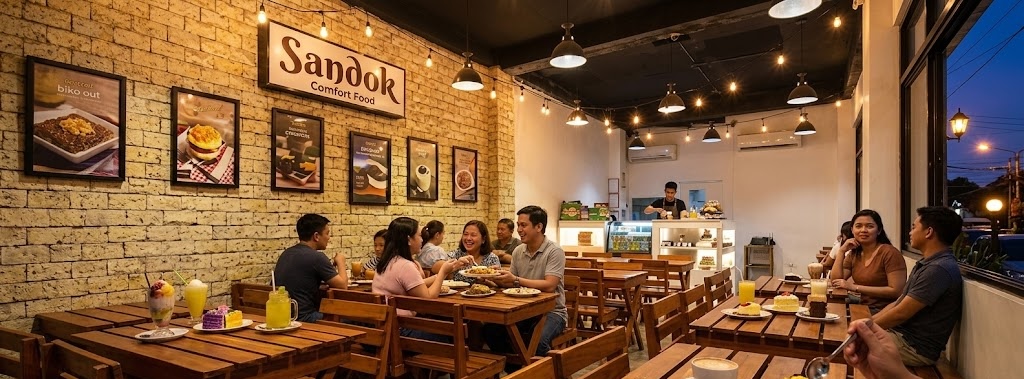
Unlike tourist-heavy restaurants, Sandok became popular through routine. Employees nearby kept returning during breaks, then introduced friends and relatives until the customer base widened naturally. The restaurant’s atmosphere encourages lingering conversations instead of rushed eating, especially during slower afternoons. This created the feeling of a neighborhood staple rather than a destination restaurant. Familiarity became part of the appeal.
Why Smaller Restaurants Last Longer Here
Bacolod diners often support establishments that feel grounded instead of aggressively branded. Restaurants survive through repeat customers more than temporary online hype. Sandok reflects that pattern well because it grew steadily without dramatic reinventions or viral campaigns. Some diners even describe the place as emotionally calming rather than exciting. That quieter type of loyalty tends to last.