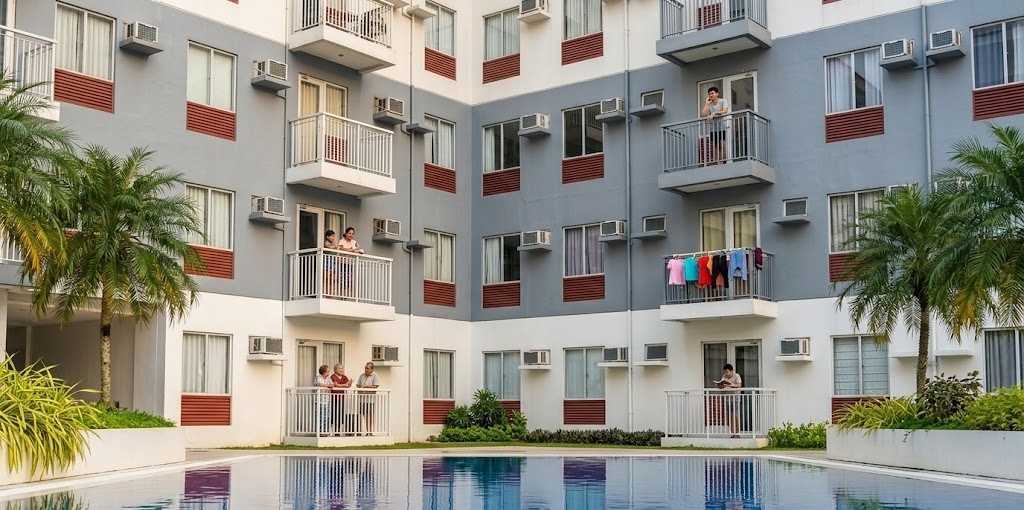
Even small balconies create breathing room inside dense residential environments. Bacolod residents use them naturally because the climate encourages open-air living during cooler hours. Morning coffee tastes different when paired with street sounds and moving air. These habits shape how people experience home emotionally. Space feels more alive when it stays connected to outside movement.
Many residents spend time quietly observing neighborhoods from balconies without necessarily doing anything productive. Watching traffic, rain, pedestrians, or sunset light across buildings becomes part of decompressing after work. Bacolod’s calmer pace supports these slower habits. People still allow themselves moments without urgency. Balconies become emotional reset spaces.
Travelers staying in Bacolod often realize how visible everyday life remains from balconies and open windows throughout the city. Residents appear more connected to surrounding streets compared to heavily enclosed urban environments elsewhere. The city feels socially porous. Even private spaces maintain dialogue with public life. Bacolod rarely feels fully sealed off.