MAKATI CITY — Beneath the bustling streets of Makati's Central Business District lies a hidden marvel: Southeast Asia's longest underground pedestrian network, spanning approximately two kilometers. This labyrinthine system of subterranean underpasses and complementary elevated walkways has transformed the city into a pedestrian-friendly haven where daily essentials, workplaces, and leisure destinations are all within easy reach. Embracing the 15-minute city concept, Makati offers residents and visitors alike a highly efficient alternative to unpredictable street-level traffic.
A Network of Connectivity and Convenience
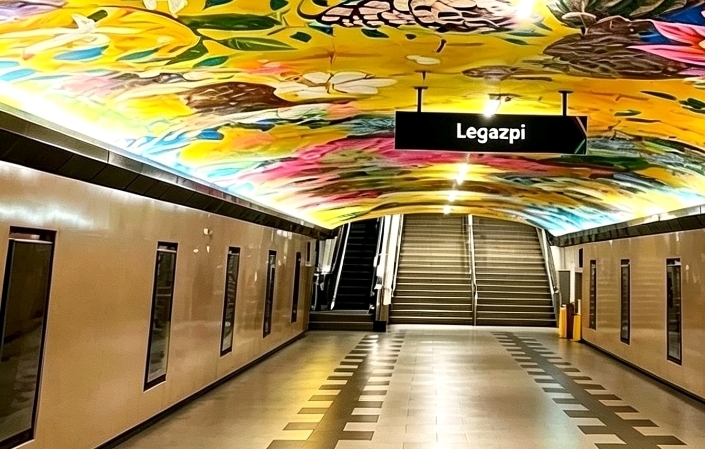
The underpass network, developed jointly by Ayala Land and the Makati Commercial Estates Association (MACEA), began with the Legazpi Street underpass in 1995. Today, it comprises multiple key connection points that seamlessly link major commercial and residential areas. Notable among these is the recently inaugurated Paseo de Roxas-Villar Underpass, which connects the northern portion of Ayala Triangle Gardens to Salcedo Village, providing a safer and more comfortable walking experience for Makatizens. Other essential connectors include the Legazpi Underpass linking Ayala Triangle Gardens to Ayala Center, the Salcedo Underpass connecting parts of Salcedo Village to the Makati CBD, and the V.A. Rufino Underpass bridging V.A. Rufino Street to Ayala Avenue.
Art and Culture Beneath the Streets
Beyond their functional purpose, Makati's underpasses have been transformed into vibrant public galleries showcasing Filipino artistic talent. The Paseo de Roxas underpass features a massive new mural by environmental artist A.G. Saño and a team of 16 artists, depicting scenes of culture, environmental advocacy, and everyday Filipino resilience. The Salcedo underpass boasts a 2,000-square-foot mural by Archie Geotina honoring Filipino history and contemporary heroes. These artistic installations, combined with bright lighting, clear wayfinding maps, and 24-hour security personnel, transform a potentially stressful commute into an intuitive and even inspiring journey.
A Model for Sustainable Urban Living
Ayala Land has scaled up its "15-minute city" framework across 53 sustainable estates, addressing the estimated P3-billion daily productivity loss in Metro Manila due to traffic congestion. In Makati, this vision is already a reality, offices, residential towers, schools, retail streets, and open spaces are integrated into compact districts designed to reduce the need for cross-city travel. The De la Rosa Elevated Walkway, touted as the country's longest at 1.1 kilometers, further enhances connectivity. For tourists and business travelers alike, Makati's walkable environment offers a refreshing way to experience the city, one where everything you need is just a short walk, bike ride, or transit trip away.