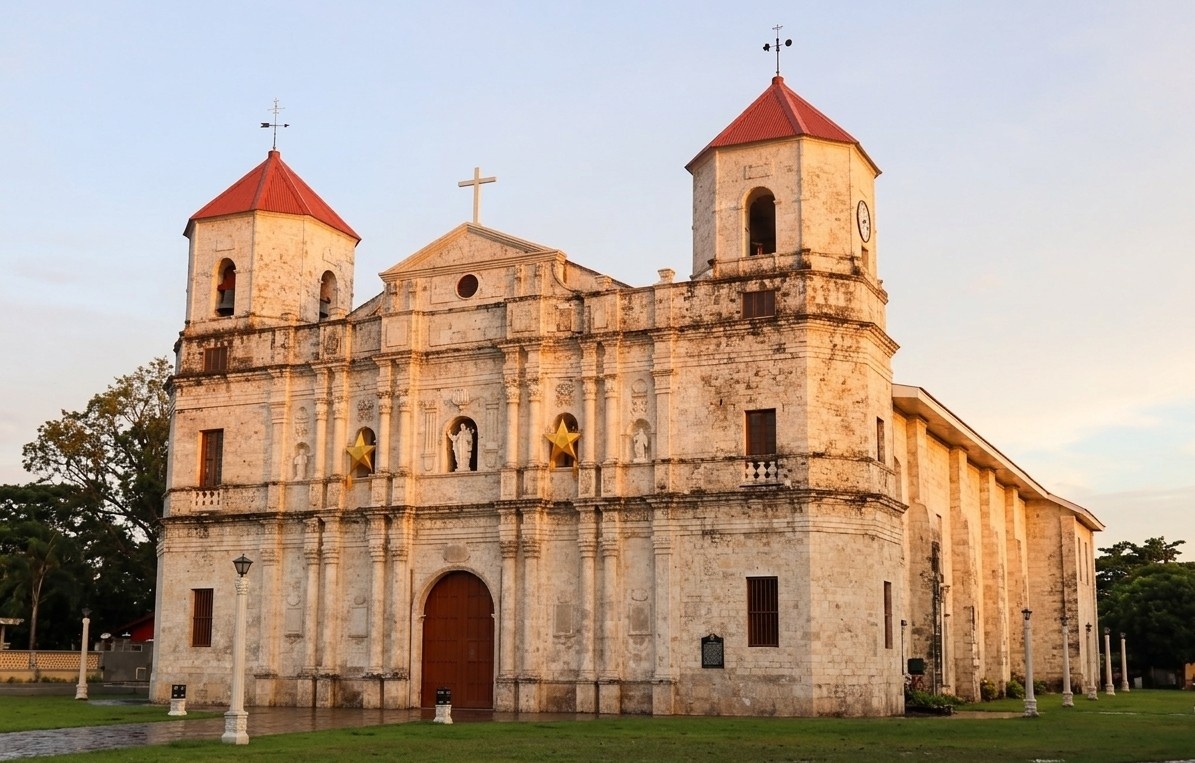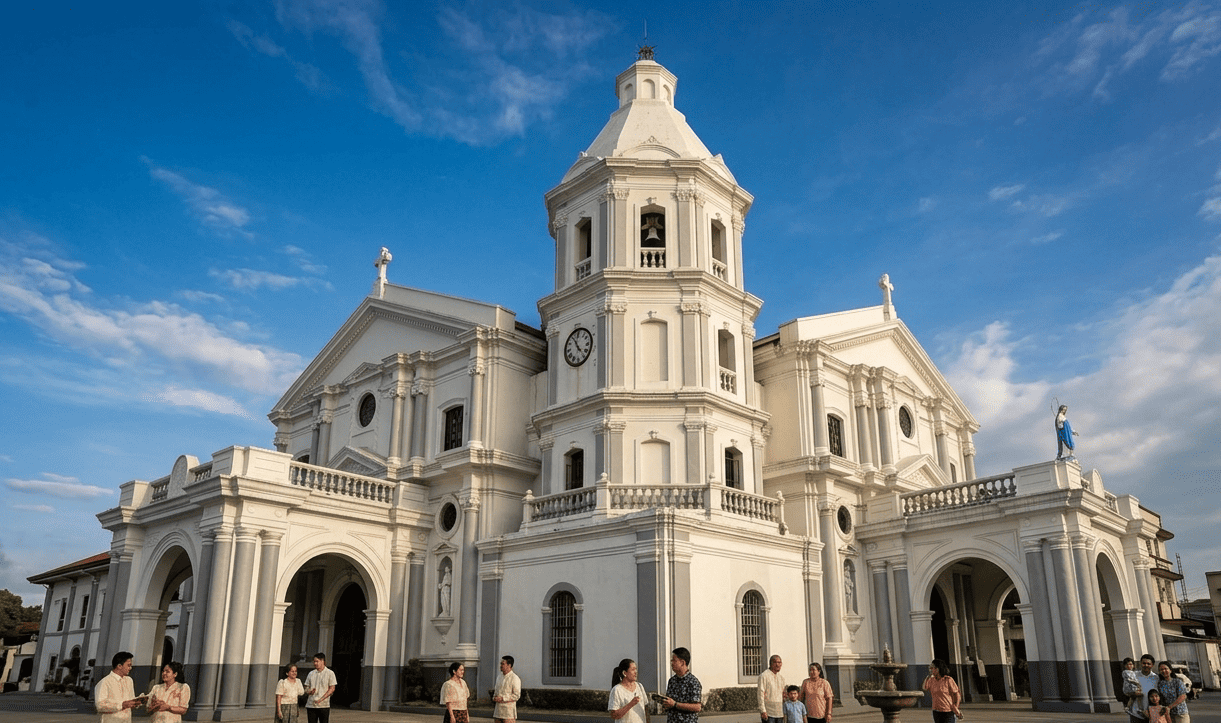
A centuries-old testament to Kapampangan faith and resilience has officially received the recognition it deserves. The National Museum of the Philippines has declared the Metropolitan Cathedral of San Fernando, also known as the Cathedral of Our Lady of the Assumption, as an "important cultural property" .
The declaration, made on December 11, 2018, was witnessed by clergy led by Archbishop Emeritus Paciano Aniceto and Archbishop Florentino Lavarias, alongside the laity . National Museum Cultural Properties Regulation Division deputy chief Raquel Flores confirmed that the cathedral passed the national law and resolution assessing its exemplary aesthetics, engineering, architecture, history, and religious and social impacts.
From 1754 Foundations to National Recognition
The cathedral's story begins in 1754, when Augustinian friars built the first structure of wood and thatch under the patronage of San Fernando III, King of Castille . Fray Sebastian Moreno, OSA, served as its first parish priest. By 1788, construction of the present neo-classical church began under the supervision of the first secular parish priest, Fr. Manuel Canlas, and a committee of town principales led by gobernadorcillo Bernabe Pamintuan . Construction was completed in 1808.
The church has survived two devastating fires. On May 5, 1899, during the Philippine-American War, the Philippine Revolutionary Army burned the church and convent on orders of General Antonio Luna . A second fire destroyed the structure again in 1939 . But each time, the people of San Fernando rebuilt. The present structure was restored in 1948 by renowned Kapampangan architect Fernando H. Ocampo, who also worked on the Manila Metropolitan Cathedral.
A Witness to Philippine History and Faith
The cathedral has stood at the center of pivotal moments in the nation's past. President Emilio Aguinaldo and his Cabinet viewed the Philippine Revolutionary Army from the convent windows on October 9, 1898 . The church also served as a crucial station and vantage point for revolutionary troops in 1898 during the Philippine Revolution against Spanish colonial rule . The NHCP installed a historical marker on August 15, 2023, recognizing these significant contributions .
Today, the cathedral remains the spiritual heart of the province as the seat of the Archdiocese of San Fernando . Its majestic neo-classical design features a prominent central dome, trompe l'oeil ceiling murals painted by Italian artists, and a towering bell tower that has become an iconic landmark in the city . The structure measures 70 meters long, 13 meters wide, and 11 meters high, with a round dome reminiscent of Baroque style with Renaissance elements.
Why This Recognition Matters for Kapampangans
The official declaration as an "important cultural property" by the National Museum preserves Pampanga's religious and architectural heritage for future generations . Flores complimented the cathedral's neo-classic design and the Fernandinos' devotion and spirituality, noting that the cathedral is in full compliance with the Constitution's mandate that "the State shall promote and popularize the nation's historical and cultural heritage and resources" .
For heritage tourists visiting Pampanga, the cathedral offers a serene atmosphere, stunning architecture, and a deep connection to centuries of Kapampangan history . The church remains active, hosting mass and serving as a place of worship where locals visit before work or school . Its location in the heart of San Fernando makes it accessible to those exploring the city's famous food scene and the annual Giant Lantern Festival.