A Coastal Community Built Around the Ocean
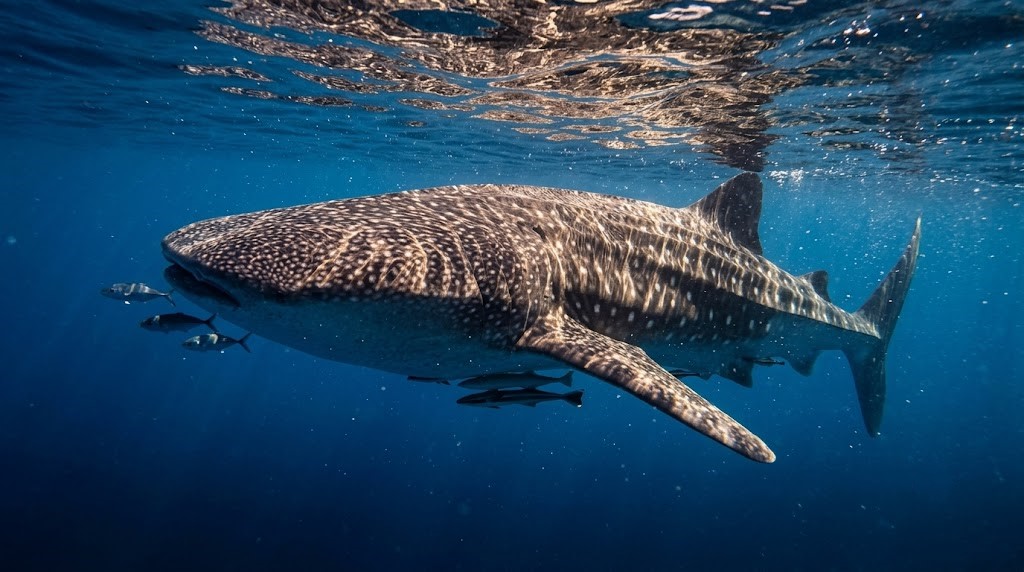
LEYTE - Pintuyan’s coastal environment plays an important role in shaping the lifestyle of its residents. The whale shark interaction activity has become one of Southern Leyte’s notable attractions, drawing visitors interested in marine experiences. Beyond tourism, it reflects the community’s relationship with the sea and the natural resources surrounding them. The activity has helped introduce more people to the coastal identity of Southern Leyte. It also gives travelers a clearer picture of how daily life in the town is influenced by the water, the shoreline, and the rhythms of the sea. In that sense, the attraction is not separate from the community—it is part of how the place is understood.
When Nature Becomes Part of Local Heritage
The ocean has always influenced the traditions and daily lives of island communities in the Philippines. In Pintuyan, marine tourism provides visitors with an opportunity to understand the importance of protecting coastal environments. The popularity of whale shark encounters also places attention on responsible interaction with marine life. This connection between nature and community creates a unique cultural experience. It reminds visitors that heritage is not only preserved through old buildings or ceremonies, but also through the way people care for the environment around them. When local traditions and conservation work together, the result is a more thoughtful kind of tourism.
A Different Way to Discover Leyte
Travelers often associate culture with festivals, but places like Pintuyan show that culture can also be shaped by landscapes and livelihoods. The town’s relationship with the sea represents another side of Leyte’s identity. It combines natural attractions with the stories of the people who live alongside them. This makes Southern Leyte a destination where culture and environment are closely connected. For visitors who want something beyond the usual travel route, Pintuyan offers a quieter but equally meaningful experience. It is a reminder that the character of a place can be found not only in its celebrations, but also in the way it lives with nature every day.