Philippine Ministry of Tourism — Announced a significant stride in its efforts to attract more international visitors, confirming the nation is "one step closer" to solidifying tourism ties with South Korea. This development is particularly noteworthy given South Korea's long-standing position as a top source market for inbound tourists to the Philippines, signaling a potentially robust influx of travelers that could inject crucial vitality into the local economy. For years, Korean travelers have been drawn to the Philippines' world-class beaches, diverse cultural experiences, and the renowned warmth of Filipino hospitality.
What does this mean?
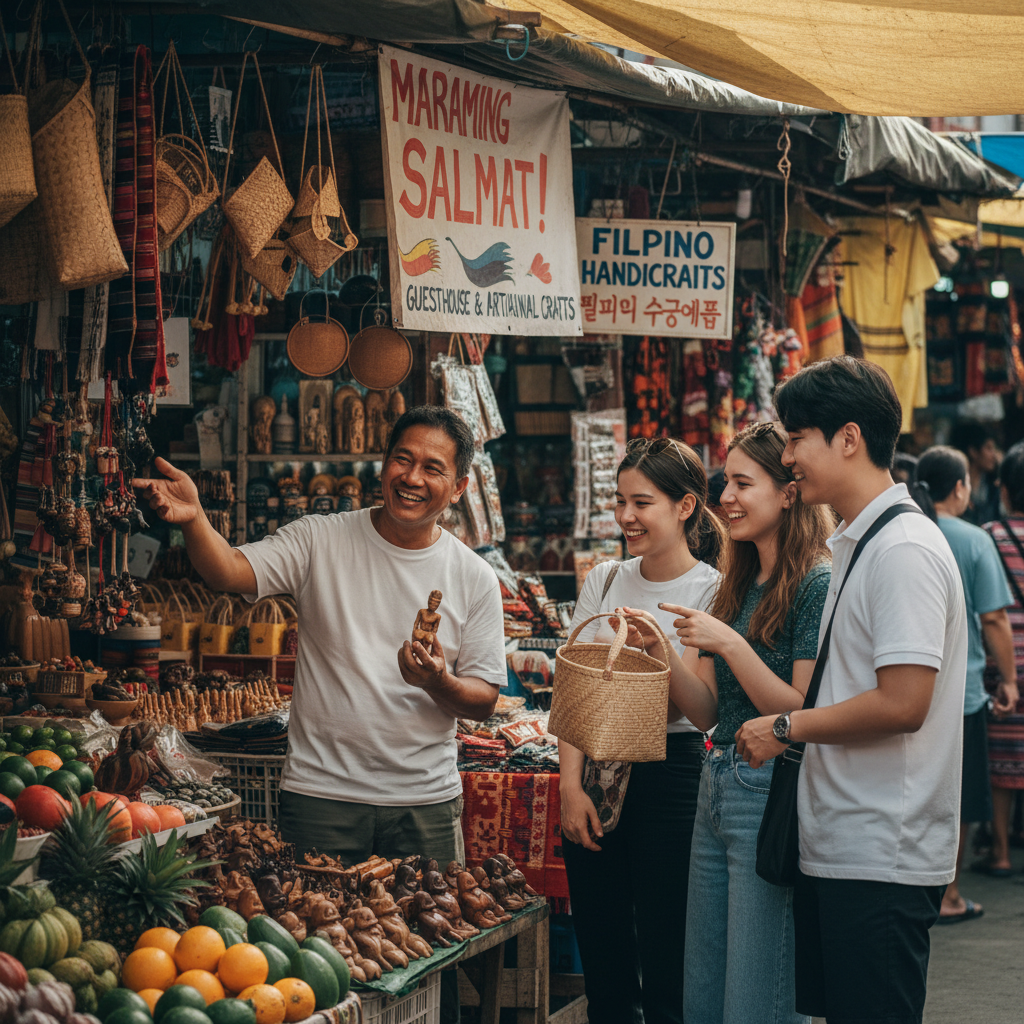
An enhanced pathway for these visitors directly translates into a much-needed boost for the Philippine tourism sector, a cornerstone of the national economy. This strategic focus on attracting Korean tourists is not merely about increasing visitor numbers; it represents a lifeline for countless Filipino families reliant on the tourism ecosystem. The economic ripple effect extends across various industries, from hotels, resorts, and transportation services to local businesses, handicraft artisans, and food vendors.
Every additional tourist dollar spent contributes directly to the livelihoods of individuals working in these sectors and those in supporting roles. Why It Matters The implications of a stronger Korean tourism market are profound for the Philippines' ongoing economic recovery and sustained growth. A potential surge in visitors means increased foreign exchange earnings, which are vital for the national coffers. More importantly, it creates a heightened demand for personnel, thus expanding employment opportunities for thousands of Filipinos across the archipelago.
Effects on our Economy
For overseas Filipino workers (OFWs) and their families, a thriving domestic economy, substantially bolstered by tourism, can alleviate the pressure to seek employment abroad. For those already working overseas, it provides a more stable and prosperous economic environment for their remittances to support their families back home.
What Filipinos Need to Know
Filipinos globally should recognize this development as a significant opportunity. Those aspiring to work in the hospitality, travel, or service industries within the Philippines will likely see expanded job prospects. This also underscores the critical importance of maintaining the Philippines' reputation as a safe, welcoming, and high-quality destination, requiring sustained efforts in infrastructure development, service excellence, and robust community engagement. Ultimately, this "step closer" with Korean tourism is a powerful step towards a more robust and resilient national economy, indirectly benefiting every Filipino household through enhanced national prosperity and greater domestic opportunities.