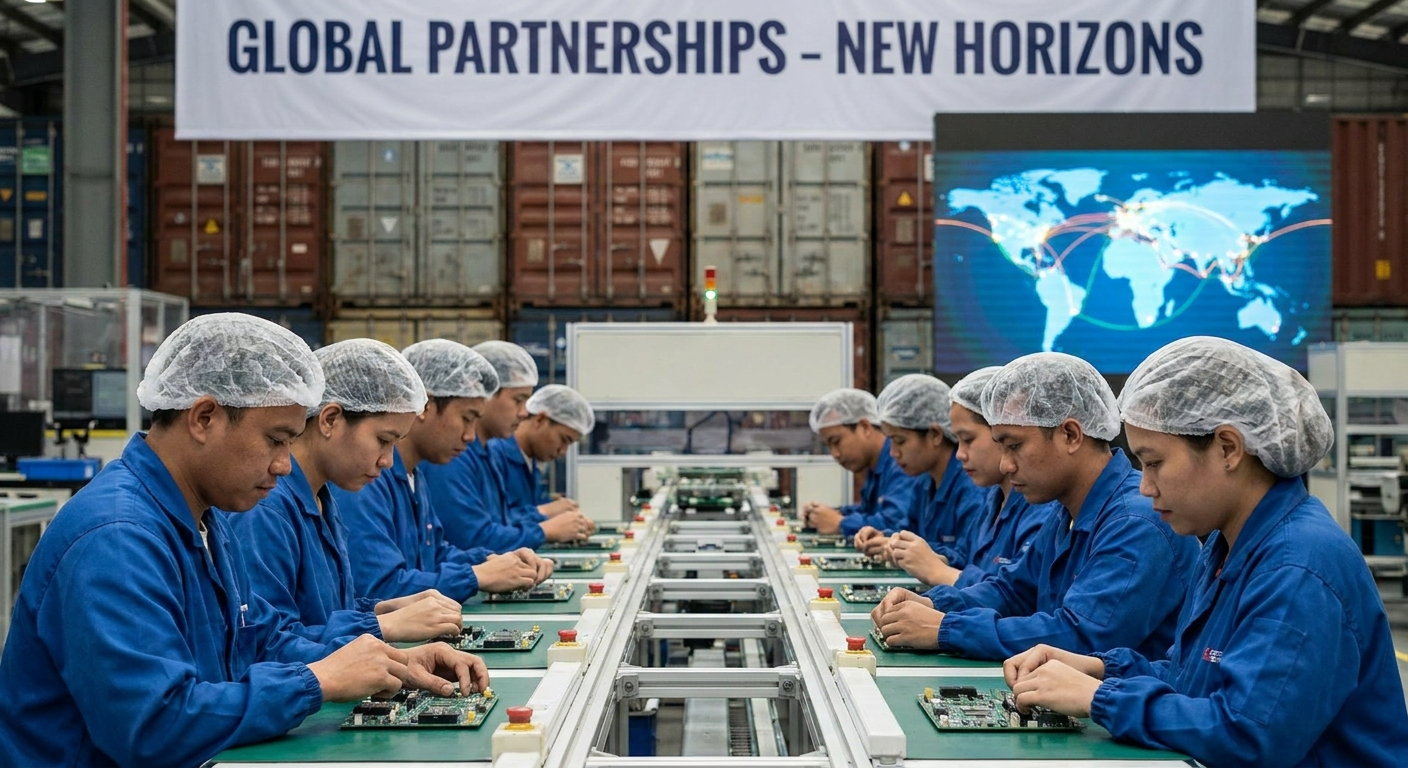
The Philippines has taken a significant step towards bolstering its economic landscape and global standing by formally signing on to a United States-led supply chain alliance. This major development is coupled with the establishment of the nation's inaugural 4,000-acre industrial zone, signaling a robust commitment to attracting foreign investment and enhancing manufacturing capabilities. The alliance aims to foster more resilient and diversified supply chains, reducing dependency on single sources and positioning the Philippines as a key player in global production networks. This strategic move places the Philippines within a critical framework designed to ensure the smooth flow of goods and services internationally. A 4,000-acre industrial zone represents a substantial commitment to infrastructure development, typically providing ready-to-use facilities for various industries, from manufacturing to logistics. Such zones are vital for economic expansion, acting as magnets for international corporations looking to set up or expand operations, which in turn fuels local employment and technological transfer.
Why It Matters
For the average Filipino, this alliance and the new industrial zone hold immense promise. The primary impact is expected to be on job creation. A large industrial zone of this scale can directly generate thousands of factory and logistics jobs, while also indirectly stimulating employment in support services like transportation, food, and housing. Enhanced supply chain integration with the U.S. can attract higher-value manufacturing and technology firms, potentially leading to better-paying jobs and opportunities for skills development. This could be a pivotal factor for many Filipinos considering overseas employment, as local opportunities grow. For OFWs, a stronger domestic economy might eventually offer compelling reasons to return home, closer to their families.
What Filipinos Need to Know
This initiative underscores a strategic pivot for the Philippine economy, emphasizing manufacturing and export-oriented growth. Filipinos, both within the country and abroad, should monitor these developments closely. The new industrial zone will likely require a diverse workforce, from skilled laborers and engineers to management professionals. Opportunities for training and upskilling in relevant sectors may arise, making it crucial for the Filipino workforce to adapt. This long-term commitment could reduce economic vulnerabilities and create a more stable, opportunity-rich environment, potentially lessening the pressure for many to seek work overseas. The success of this alliance and industrial zone will hinge on effective implementation, continued foreign investment, and a supportive policy environment that benefits the Filipino people directly.