PHILIPPINES — The real estate landscape in the Philippines is seeing a new kind of developer: the national government. In a landmark move that extends the Expanded Pambansang Pabahay para sa Pilipino (4PH) Program into the education sector, the Home Development Mutual Fund (Pag-IBIG Fund) and the Commission on Higher Education (CHED) have partnered to roll out affordable rental housing across state universities and colleges (SUCs) nationwide.
The initiative, formally called Project BALAY: Bridging Access to Learning, sets aside a substantial P6.3 billion to fund the construction of dormitories and rental facilities. These units, designed to be built within or near campuses, will be available to faculty, students, and non-teaching personnel.
Breaking Down the Real Estate Model
Under the Rental Housing Construction Loan program, SUCs can access long-term financing at a highly subsidized interest rate of 3% per annum for the first 10 years, with the loan payable over a maximum of 30 years. This makes it one of the most affordable government-backed real estate financing schemes available for institutional developers.
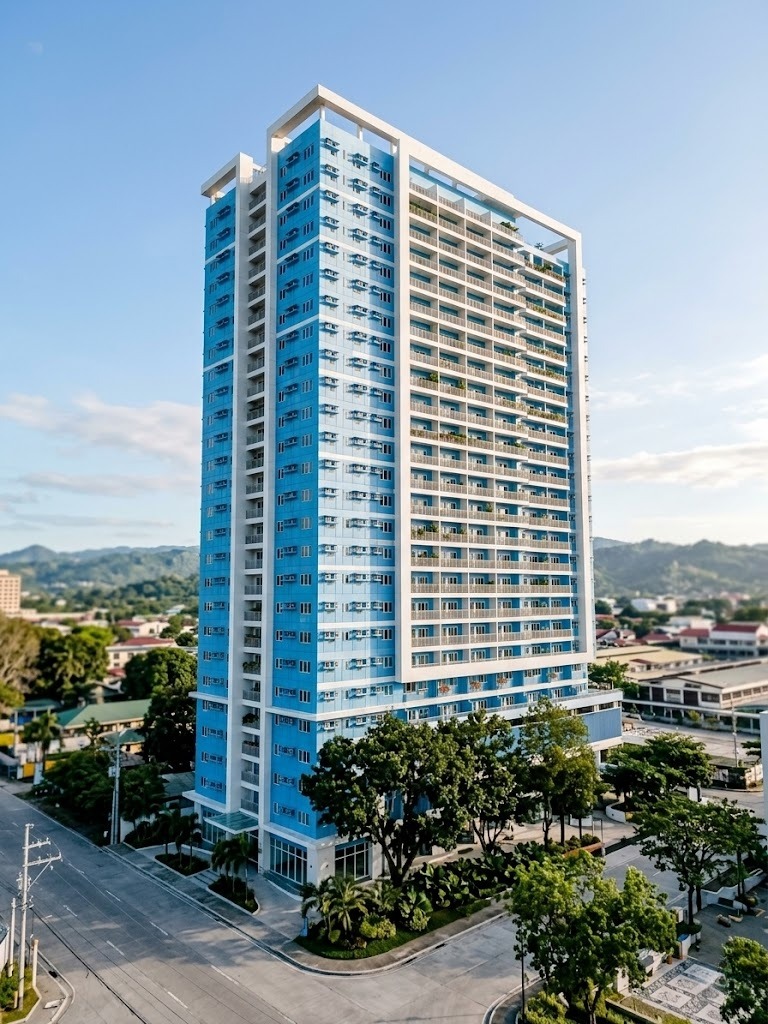
This model allows SUCs to act as property developers and landlords. The government institutions will use the funds to build the physical assets—dormitories and apartment-style buildings—which they will then manage. The collected rentals will likely be used to repay the Pag-IBIG loan and maintain the properties, creating a self-sustaining real estate ecosystem on campus.
Nationwide Momentum
The program has already gained significant traction, with 11 state universities and colleges having already engaged with Pag-IBIG Fund, signaling strong momentum for a nationwide rollout. More than 30 SUCs participated in the consultative meeting held on April 15 at the CHED Auditorium in Quezon City, providing inputs on site development and implementation.
A Strategic Infrastructure Asset
For CHED and Pag-IBIG, this is more than just a housing project. By bringing residential capacity directly to academic hubs, the partnership addresses the long-standing issue of housing affordability for the academic community while supporting campus-based development.
The initiative is designed to boost student retention and educator welfare by eliminating long commutes and unstable off-campus housing arrangements. For the real estate market, it represents a new class of government-academic assets that could set a precedent for how state-owned lands are developed.
Looking Ahead
Pag-IBIG Fund Chief Executive Officer Marilene C. Acosta presented the initiative to CHED officials and SUC leaders, discussing practical and sustainable housing solutions tailored to the needs of the academic community.
As the 4PH program expands its scope, Project BALAY demonstrates the government's strategy of leveraging institutional landholdings for high-density, affordable housing development—a model that could significantly shape the real estate landscape near major educational centers in the coming years.