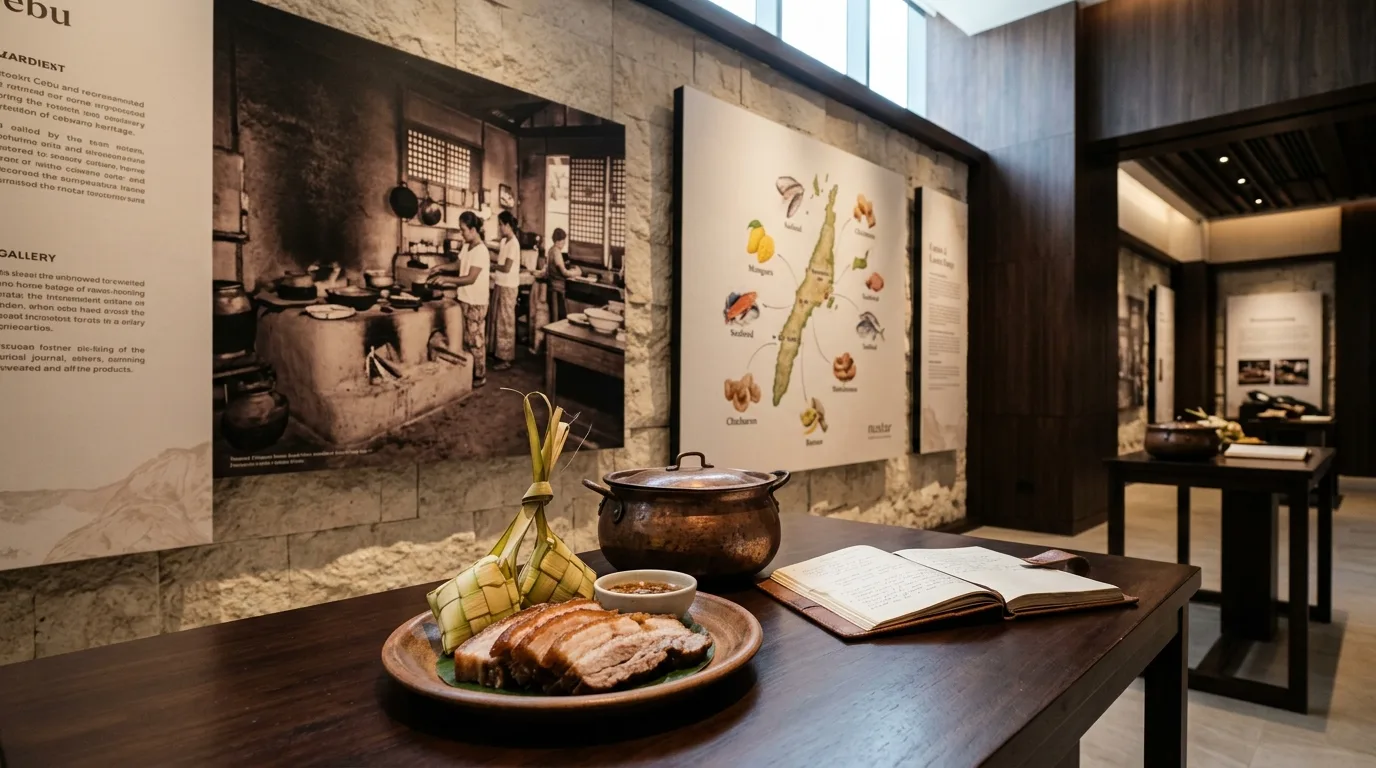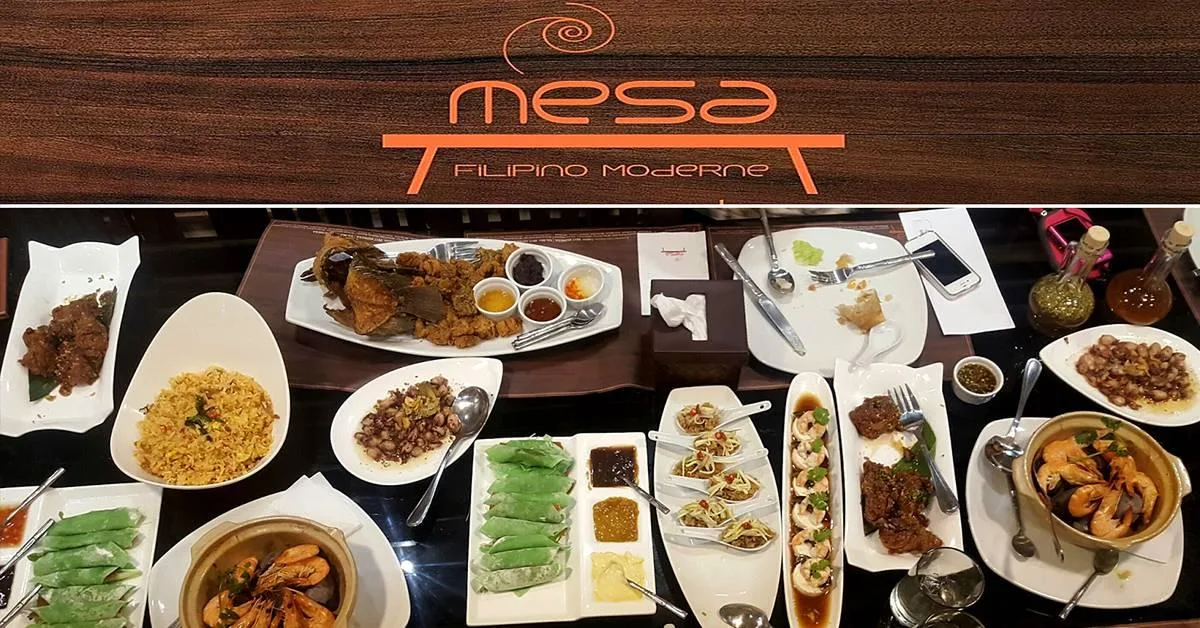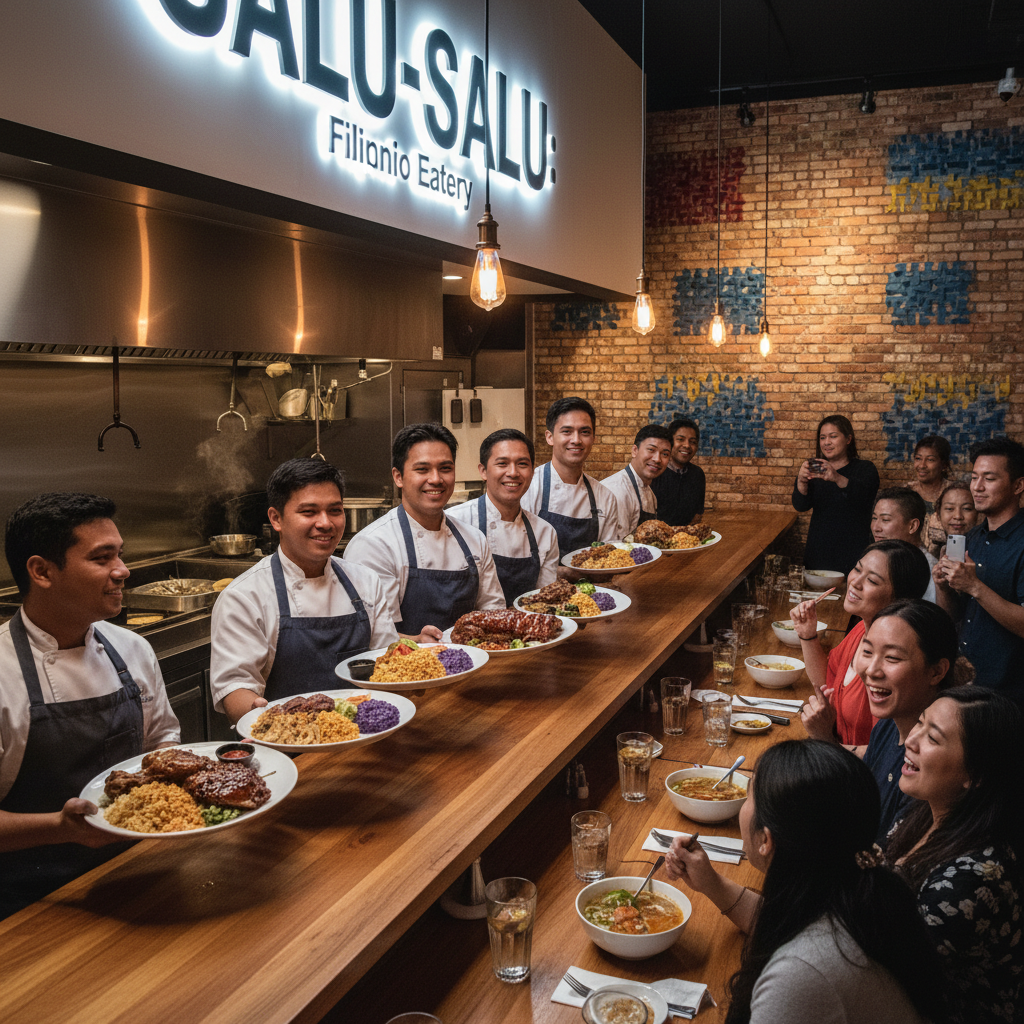
New Jersey, a state home to a vibrant and growing Filipino population, is celebrating the rich tapestry of Filipino gastronomy. A recent ranking by NJ.com has spotlighted 23 exceptional Filipino restaurants across the state, acknowledging their significant contribution to the local culinary scene and setting a benchmark for dining experiences extending into 2026. This comprehensive list serves as a testament to the surging popularity and increasing recognition of Filipino cuisine in the United States. From traditional adobo and sinigang to modern interpretations of classic dishes, these establishments offer a taste of the Philippines, bridging the geographical distance for many Filipinos and introducing authentic flavors to a broader American audience. The detailed ranking provides both residents and visitors with a guide to explore the diverse culinary landscape shaped by Filipino talent and heritage, reinforcing the community's presence and impact.
Mainstreaming Culinary Hubs and Diaspora Entrepreneurship
For the global Filipino community, particularly those residing as Overseas Filipino Workers (OFWs) in New Jersey and across the United States, this recognition carries profound weight. The success of these restaurants creates vital job opportunities, not just for chefs and service staff, but also indirectly for suppliers and local businesses, bolstering the economy. It fosters a deep sense of pride and belonging, as Filipino culture gains mainstream appreciation and visibility. These culinary hubs often serve as gathering places, reinforcing community bonds and preserving cultural identity for generations of Filipinos growing up abroad. The economic vitality generated by these establishments contributes significantly to local economies, showcasing the entrepreneurial spirit inherent within the Filipino diaspora.
Preserving Cultural Identity and Supporting Homegrown Talent
Filipinos, both in New Jersey and those considering opportunities in the U.S., should view this development as a positive indicator of cultural integration and economic potential. Supporting these local Filipino businesses strengthens the community's collective presence and ensures the continued growth of Filipino culinary representation. For those back in the Philippines, it highlights the global reach of Filipino talent and entrepreneurship, inspiring future generations to share their heritage with the world. This trend underscores the importance of quality, authenticity, and innovation in showcasing the best of the Philippines on an international stage, promising exciting prospects for Filipino gastronomy in the years leading up to and beyond 2026.