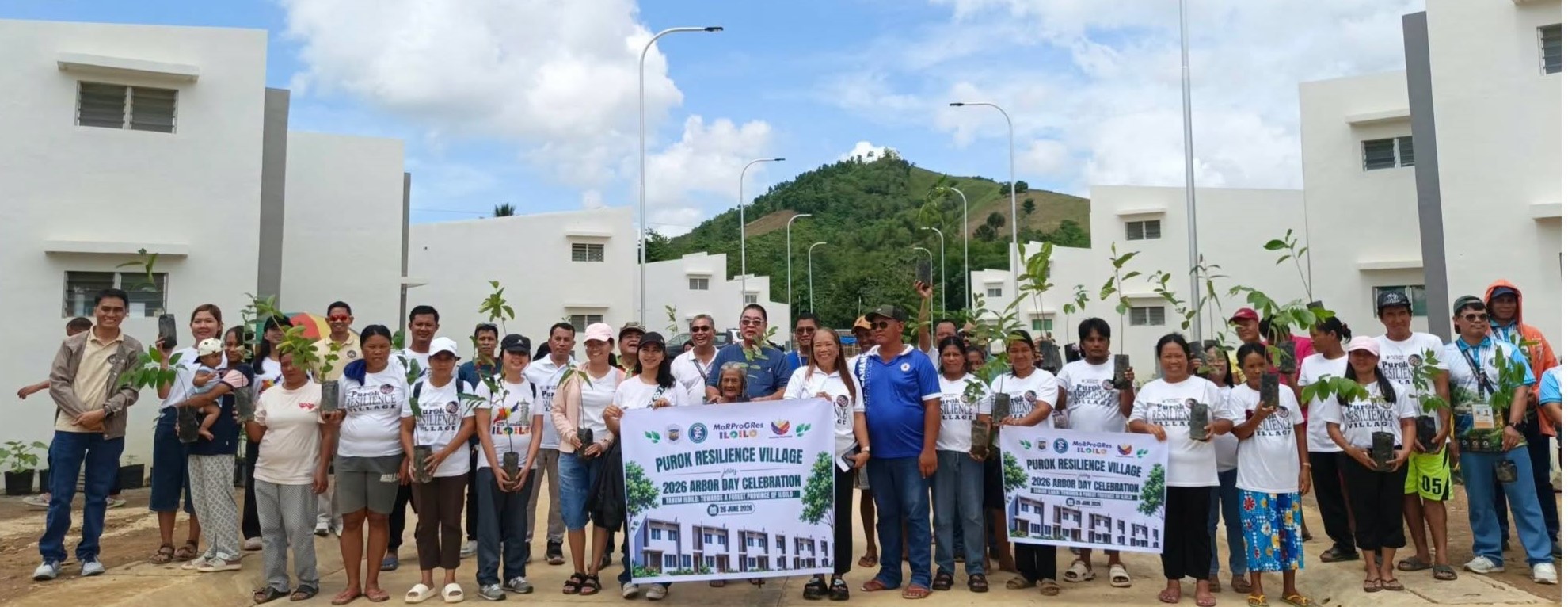
ILOILO — Beneficiaries of the Purok Resilience Village here led a tree-planting activity on Arbor Day, planting saplings that promise not just shade but a stronger, more desirable community. The event highlights how environmental stewardship and climate-resilient housing are quietly raising real estate values in rural Iloilo.
A Village Rooted in Resilience
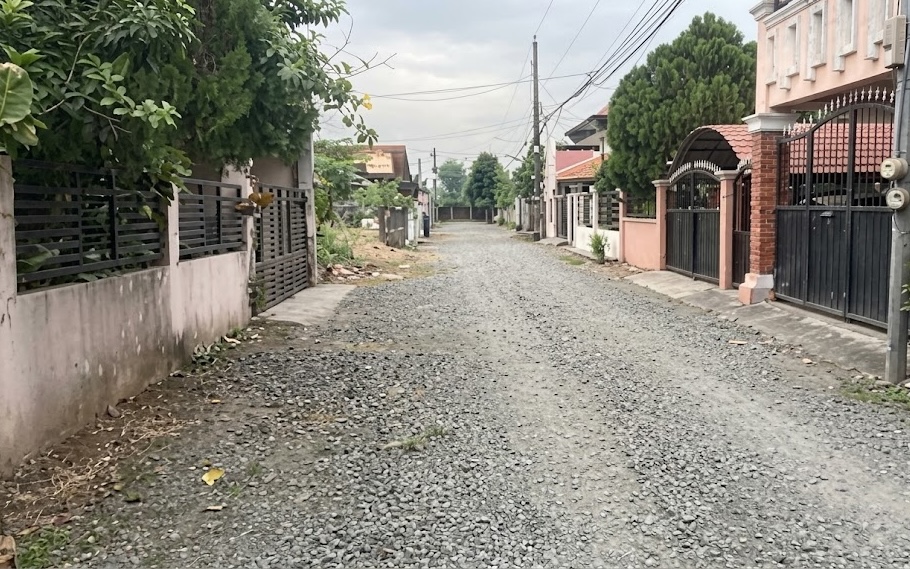
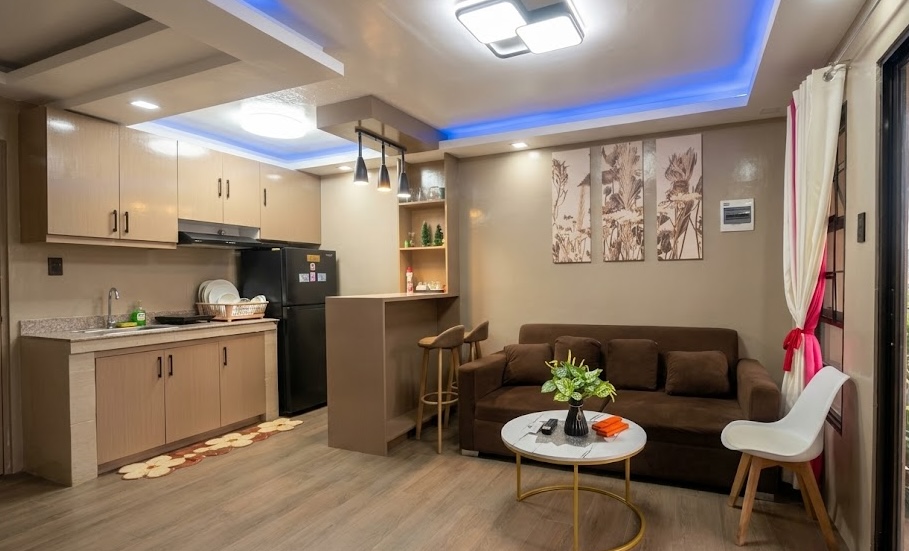
The Purok Resilience Village in Barangay Nangka is no ordinary subdivision. Completed in early 2026, it provided 30 safe, modern homes to families who once lived in constant danger of landslides. Each 36‑square‑meter unit came with slope protection, water, and electricity, proving that socialized housing can be both dignified and disaster‑ready.
The ₱36‑million investment by the provincial government kept families within their original barangay, preserving livelihoods and social ties. This approach ensures that the community remains intact, a crucial factor for long‑term neighborhood stability. Real estate analysts note that secure, well‑planned communities naturally attract further investment and raise nearby land values.
Tree Planting as a Long‑Term Investment
The recent tree planting is not just a symbolic gesture. Each seedling contributes to an expanding green canopy that will cool the area, improve air quality, and protect against soil erosion. For property owners, a lush, shaded environment is a tangible asset that enhances curb appeal and living comfort.
As these trees mature, they will create microclimates that make the village more pleasant year‑round, a factor homebuyers increasingly value. The Arbor Day activity also signals a community that actively cares for its surroundings, a powerful draw for families seeking a clean, healthy place to settle.
A Model for Climate‑Smart Communities
The Batad project is being watched as a proof of concept for rural, climate‑responsive development. The financial model is particularly innovative: amortization on the homes is deferred until a family member graduates from college and finds employment. This removes the immediate burden of monthly payments while tying housing to upward mobility.
Governor Arthur Defensor Jr. has called the village a successful “proof of concept.” Such models build confidence among potential investors and returning OFWs who want affordable yet secure homes. When combined with the tree-planting initiative, the area becomes a compelling case study in holistic, sustainable living.
Tanum Iloilo’s Bigger Vision
The Batad event is part of the ambitious Tanum Iloilo program, which aims to plant over 10,000 trees across the province and increase forest cover from 18% to 33% by 2044. This province‑wide greening effort directly supports real estate values by ensuring Iloilo remains a green, livable destination.
Indigenous and fruit‑bearing trees are prioritized, offering both environmental and economic benefits. A landscape dotted with mature trees raises property desirability, whether for residential subdivisions or eco‑tourism ventures. The program makes the entire province more attractive to developers looking for locations with strong environmental credentials.
From Risk to Opportunity
The transformation of the Batad site from a high‑risk danger zone into a thriving village with a growing forest is a story of resilience. Families who once feared the next rain now plant trees for the future. For the real estate market, such transformations signal a government that can turn liabilities into assets, making the region a safer bet for long‑term investment.