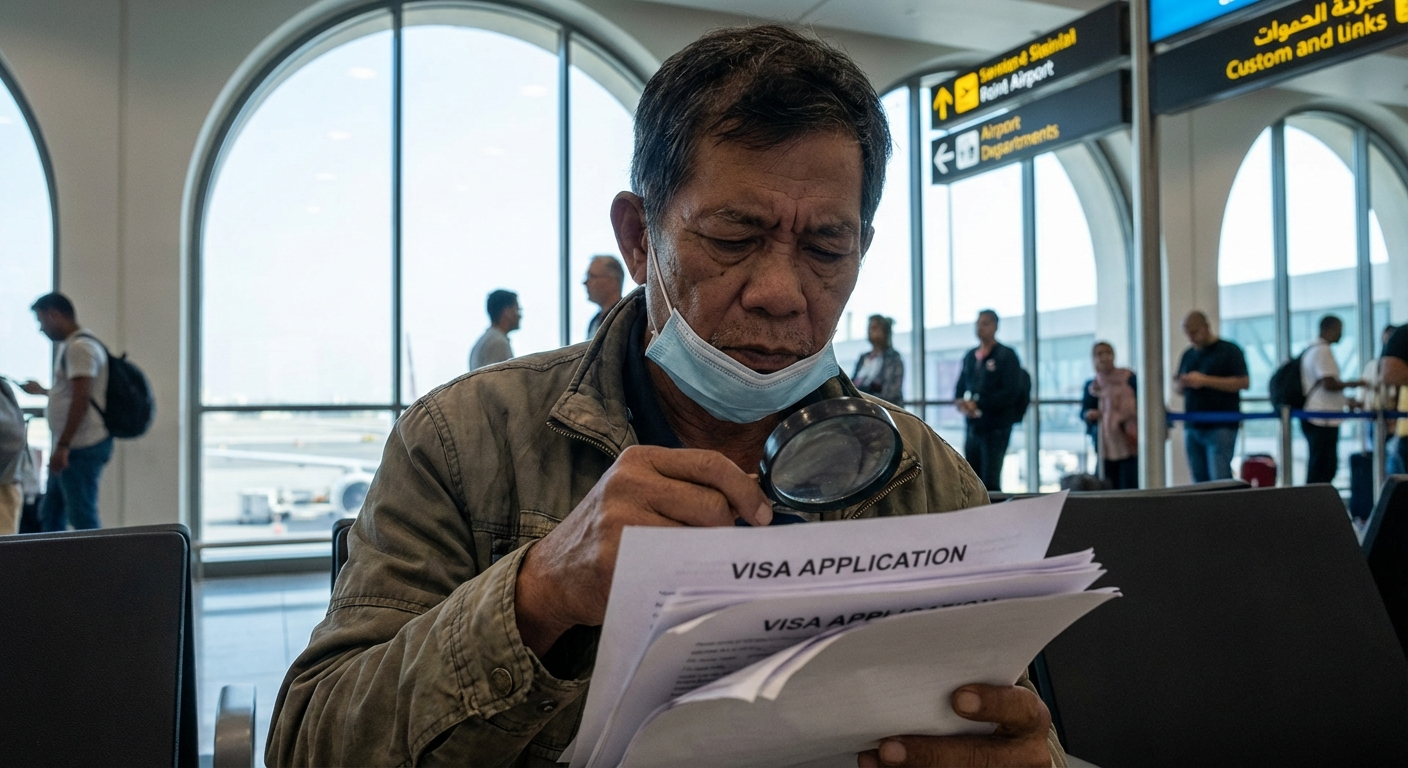
Filipino Overseas Foreign Workers (OFWs) across the Middle East are continually facing a landscape of evolving travel and immigration regulations, making constant vigilance essential for their livelihoods and stability. With millions of Filipinos forming a critical backbone of various economies in the region, any shift in mobility or travel policies can have profound implications, from visa renewals to employment contracts and family reunification. The Middle East, a primary destination for Filipino migrant workers, frequently updates its entry, exit, and residency requirements due to a confluence of factors including economic diversification, geopolitical shifts, labor market adjustments, and global health considerations. While specific details on the latest changes are often complex and localized, the overarching trend points to a need for OFWs to access timely, accurate information to avoid potential disruptions. Reputable sources, such as global immigration firms like Fragomen, often track these developments, providing insights that are invaluable for those planning to work, reside, or travel within the region. For a Filipino family whose breadwinner is abroad, understanding these nuances is not just administrative; it's fundamental to their financial security and peace of mind. Why It Matters For the Philippines, the welfare of its OFWs in the Middle East directly translates to national economic stability. Remittances from these workers are a vital artery for the Philippine economy. Disruptions caused by outdated information on travel or visa requirements can lead to job losses, deportation, or lengthy periods of unemployment, directly impacting the families back home who depend on these earnings. Furthermore, unexpected policy changes can complicate travel for leave or emergencies, potentially separating Filipino workers from their loved ones during critical times. Understanding these shifting sands is not merely a bureaucratic exercise but a crucial aspect of ensuring the continued flow of support from the diaspora to the Philippines. What Filipinos Need to Know Filipinos working in or planning to travel to the Middle East must prioritize staying informed through official channels. Regularly check the websites and social media accounts of the Philippine embassies and consulates in their respective host countries, as well as the Department of Migrant Workers (DMW) in the Philippines. Consult with accredited recruitment agencies and verified legal or immigration experts for personalized advice. Always verify any information regarding visa requirements, labor laws, or travel restrictions from multiple, authoritative sources before making any critical decisions. Being proactive and meticulously planning based on the latest directives can prevent costly errors and safeguard their future in the region.