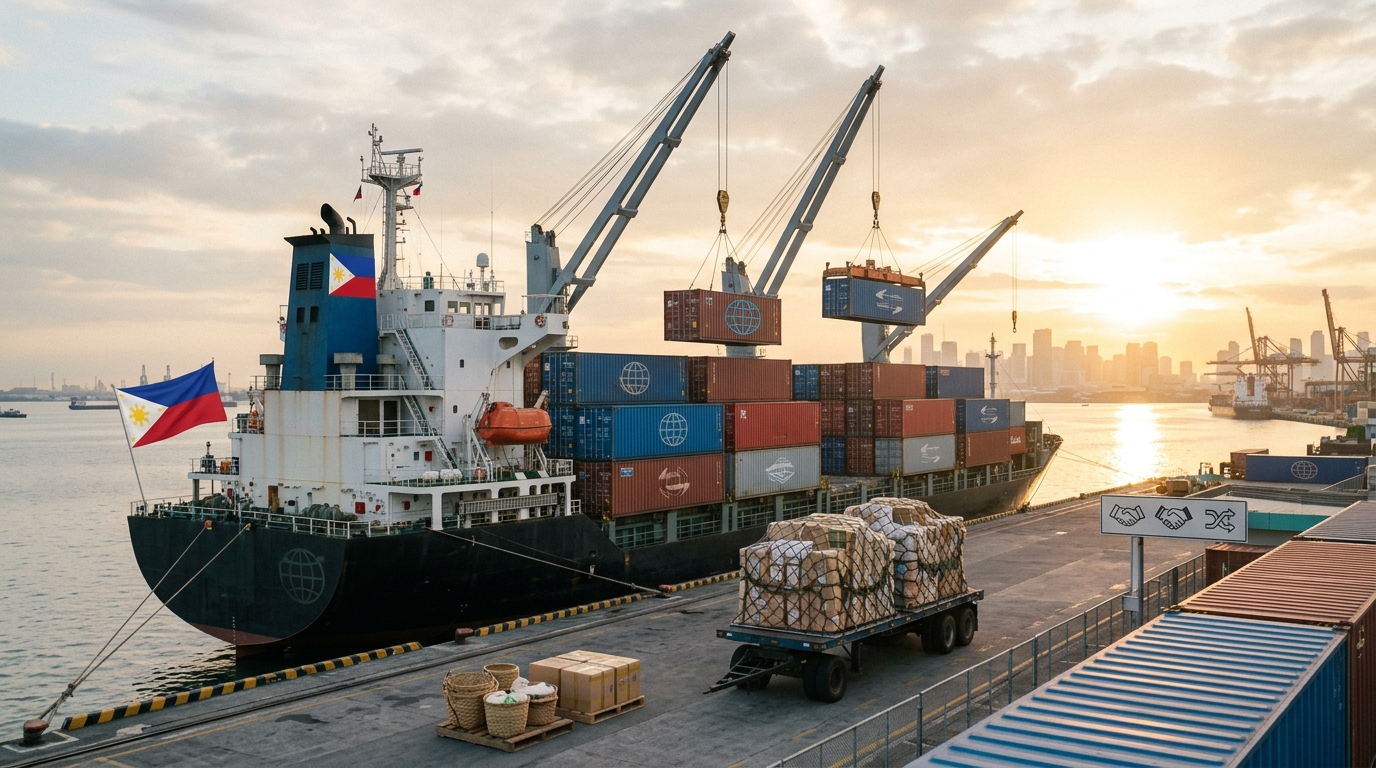
Canada — Rechie Valdez, a prominent Filipino-Canadian Member of Parliament, has thrown her support behind a potential Free Trade Agreement (FTA) between Canada and the Philippines. This endorsement signals a significant step in strengthening economic ties between the two nations, with far-reaching implications for Filipinos both residing in Canada and their families in the Philippines. While specific details of the proposed agreement are still under discussion, a Free Trade Agreement typically aims to reduce or eliminate tariffs, quotas, and other trade barriers.
Lowering Cross-Border Tariff Friction and Expanding Small Business Networks
For the Philippines, this could mean enhanced access to the Canadian market for its goods and services, potentially boosting local industries and creating new employment opportunities. Conversely, Canada could see increased market access in the Philippines, fostering bilateral investment. The backing from MP Valdez, a trailblazing figure in Canadian politics as one of the first Filipino-Canadians elected to the House of Commons, adds considerable weight to the initiative. Her endorsement underscores the potential for this agreement to benefit the substantial Filipino diaspora in Canada, estimated to be over one million strong, by fostering a more robust economic environment that could lead to diverse job prospects and business ventures.
Insulating Diaspora Remittance Streams and Driving Transnational Investment Inflows
For countless Filipino families, both those residing in Canada and those in the Philippines, relying on remittances, the prospect of a stronger economic relationship is significant. A thriving trade environment could translate into more stable employment for overseas Filipino workers (OFWs) in Canada, potentially increasing their capacity to support their loved ones. Furthermore, increased investment in the Philippines, driven by easier trade, could stimulate local economies, offering more opportunities for Filipinos who choose to remain in their homeland. The agreement could also facilitate greater cultural exchange and easier movement of skilled professionals, benefiting various sectors.
Navigating Evolving Regulatory Paradigms and Streamlining Labor Mobility Frameworks
Filipinos globally should closely monitor the developments of this proposed Free Trade Agreement. While the endorsement from MP Valdez is a positive indicator, the specifics of the deal will determine its ultimate impact. Community leaders and organizations will likely play a crucial role in advocating for provisions that directly benefit Filipino workers, entrepreneurs, and families. Understanding the nuances of such agreements is vital for maximizing the potential advantages and preparing for any shifts in economic landscapes affecting both the Philippines and Canada.