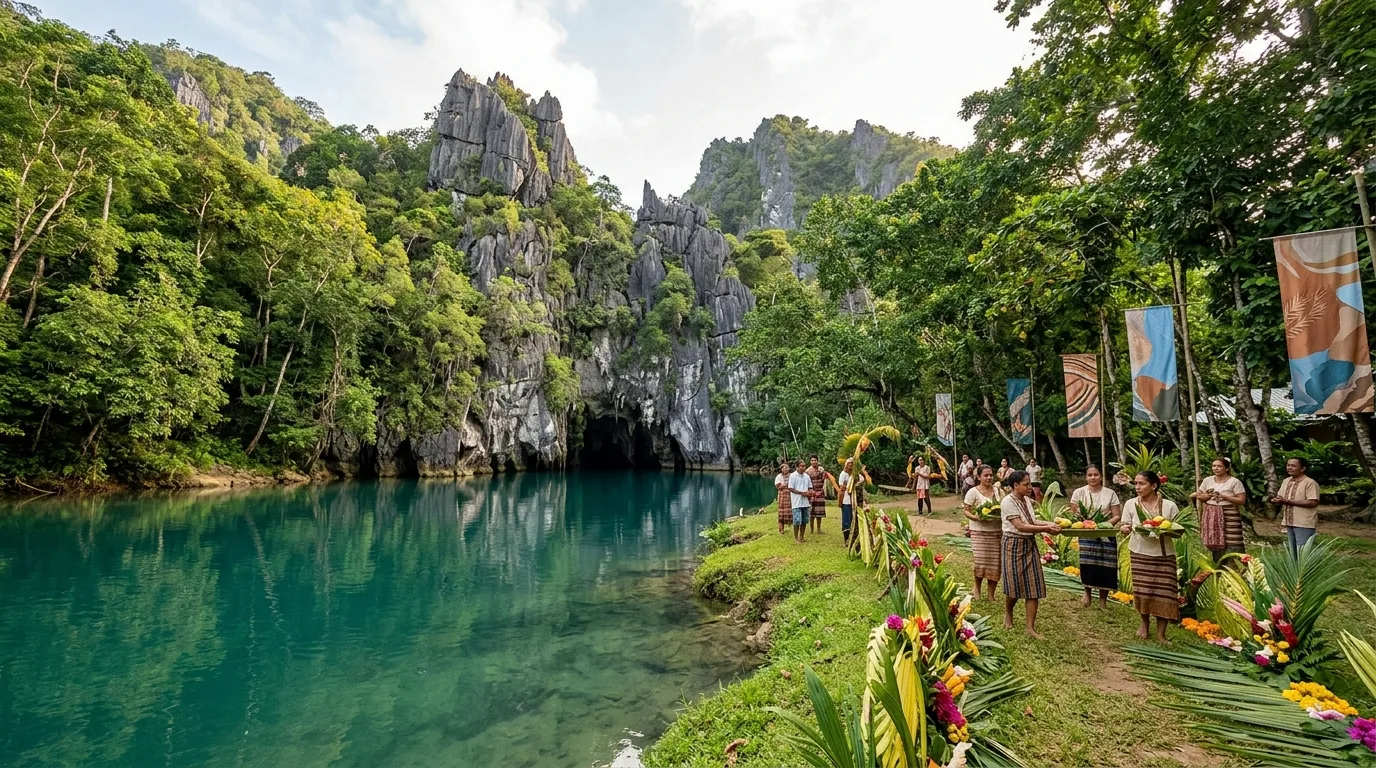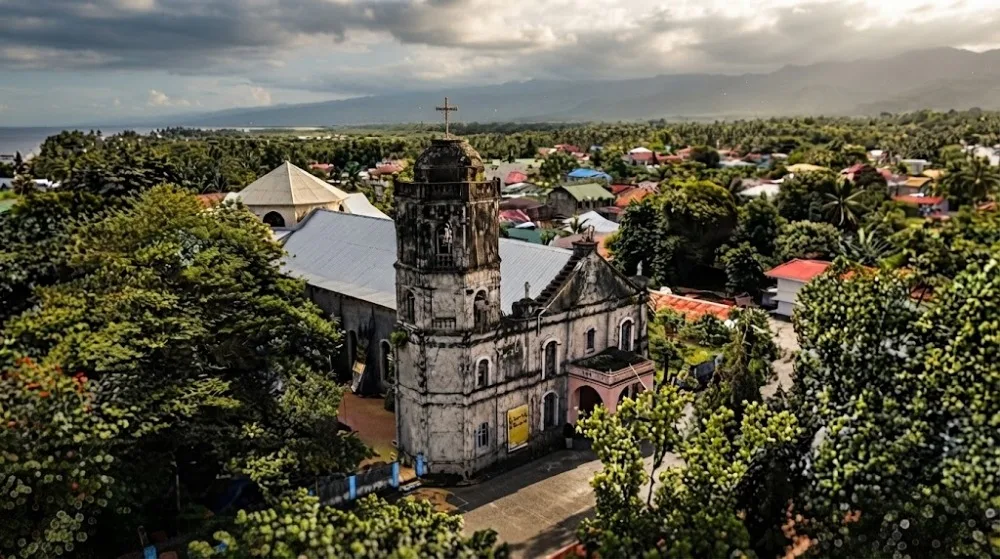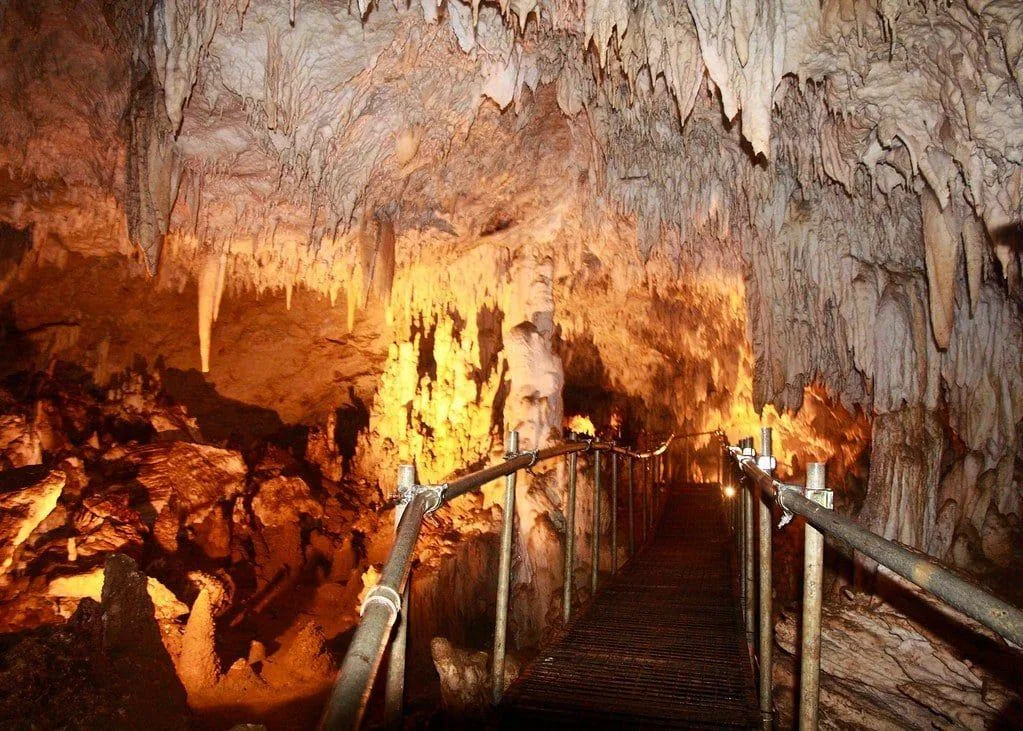
Negros Oriental is renowned for its rich natural resources and diverse ecotourism attractions, ranging from pristine beaches and waterfalls to mountains and protected forests. Among its most remarkable natural wonders are the Mabinay Caves, a network of limestone caves located in the municipality of Mabinay, often referred to as the "Cave Capital of the Philippines." With more than 400 documented caves, the area offers visitors an exciting opportunity to explore impressive rock formations, underground chambers, and unique geological features. As one of the province's most distinctive attractions, the Mabinay Caves have become a significant destination for cave adventure tourism.
Promoting Cave Adventure Tourism
Cave adventure tourism allows visitors to experience the beauty and mystery of underground landscapes while participating in guided outdoor activities. The Mabinay Caves promote this form of tourism by offering guided cave exploration that introduces visitors to spectacular stalactites, stalagmites, underground streams, and naturally formed limestone chambers. These experiences combine adventure, education, and environmental appreciation, making the destination attractive to nature enthusiasts, students, photographers, and adventure travelers.
Supporting Environmental Conservation
The preservation of the Mabinay Caves is essential to maintaining their ecological and geological significance. Sustainable tourism practices, including guided tours, visitor regulations, proper waste management, and conservation programs, help protect the caves from environmental damage. Educating visitors about the importance of preserving fragile cave ecosystems encourages responsible tourism and promotes greater awareness of the province's natural heritage. Conservation efforts ensure that future generations can continue to enjoy and learn from these remarkable underground landscapes.
Strengthening the Local Economy
The popularity of the Mabinay Caves creates valuable economic opportunities for nearby communities. Tourists contribute to the local economy by hiring accredited guides, purchasing food and refreshments, staying in nearby accommodations, and using transportation services. Local souvenir shops, restaurants, and small businesses also benefit from increased visitor spending. As tourism continues to grow, employment opportunities expand for residents involved in guiding services, hospitality, transportation, and tourism management.