ILOILO CITY — The Office of Civil Defense (OCD) Western Visayas has released the selection criteria for Ligtas Pinoy Centers (LPCs), a move set to reshape the region’s real estate landscape. The standardized framework will guide the construction of permanent, resilient evacuation hubs in high-risk areas, signaling to investors and homebuyers that safety is becoming a public infrastructure priority.
A Data‑Driven Approach to Safer Communities
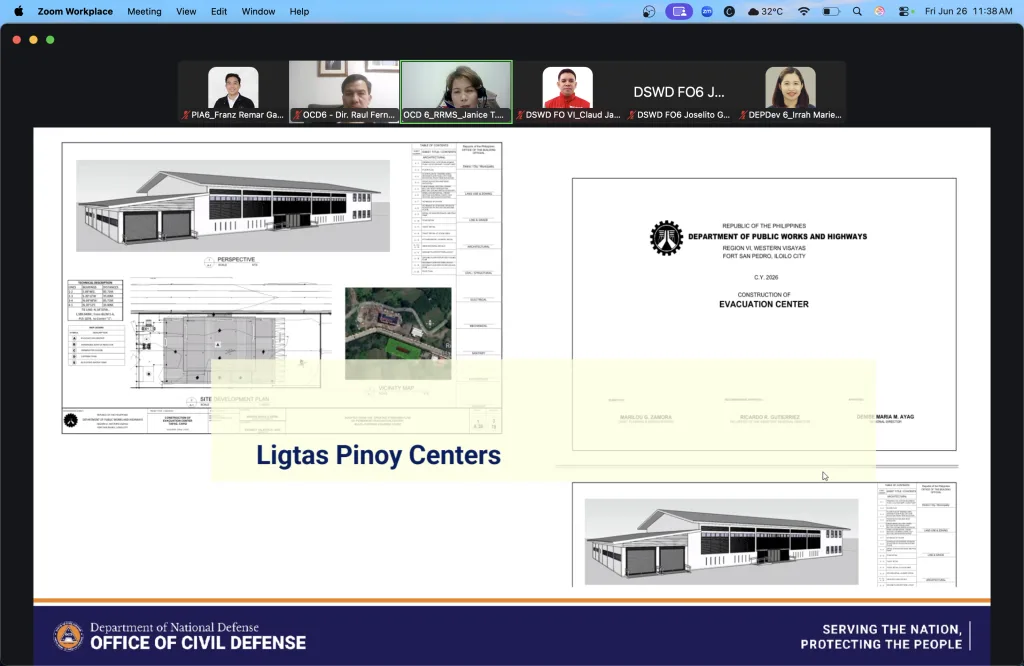
The prioritization matrix, presented by OCD‑6 Rehabilitation and Management Section Chief Janice T. Ragus, uses a three‑stage evaluation system. It assesses an LGU’s coping capacity, disaster risk exposure, and implementation readiness. The rigorous process ensures that government resources are directed to the most vulnerable locations, ultimately improving the livability and long‑term stability of these communities.
Properties in areas designated for an LPC stand to benefit from enhanced public safety infrastructure. A permanent, well‑equipped evacuation center within a municipality reduces the perceived risk of living there, potentially raising property values. For developers and investors, the criteria signal where future government investment will flow, informing smarter land acquisition and project planning.
How the Three‑Stage Scorecard Works
Stage 1 evaluates an LGU’s socioeconomic profile, income class, population density, and existing evacuation capacity against major hazards such as floods and earthquakes. Stage 2 calculates the average annual frequency of disaster advisories over five years, separating high‑risk municipalities from the rest. Only those LGUs that pass both stages can advance.
Stage 3 focuses on implementation readiness, requiring proof of a geohazard‑free lot verified through HazardHunterPH, a minimum lot size of about 2,585 square meters for a corner lot, and DSWD‑certified camp management capability. With only one LGU per region selected for immediate funding due to budget limitations, this final filter is decisive. Communities that secure an LPC will gain a vital asset that enhances their attractiveness to homebuyers and businesses.
LPC Blueprint Designed for Livability
Each Ligtas Pinoy Center will be a two‑storey structure with gender‑responsive sanitation, isolation areas, breastfeeding rooms, and standby power. The buildings are engineered to withstand typhoons and seismic events, ensuring they remain functional when needed most. During calm periods, they can be adapted for civic uses, adding value to the neighborhood without becoming idle infrastructure.
Such multipurpose facilities elevate a barangay’s quality of life and serve as selling points for local real estate. An area with a modern, resilient evacuation hub demonstrates proactive governance and lowers the long‑term cost of disaster recovery for homeowners and insurers alike. This infrastructure is not just about crisis response; it is a smart investment in community stability.
Aligning with National Resilience Goals
The Ligtas Pinoy Centers Act (RA 12076) aims to end the practice of using public schools as temporary shelters, which disrupts education and inflates recovery costs. By providing dedicated, permanent centers, the government is building a more reliable disaster‑response network. This legislative push aligns with the Marcos administration’s broader infrastructure modernization agenda.
Western Visayas is one of the first regions to operationalize the selection criteria, setting a precedent for other provinces. The transparency of the scoring system gives the private sector confidence that infrastructure investments are being allocated where they are needed most. This trust translates into a more stable real estate market, particularly in areas previously considered too risky for development.
What the Criteria Mean for Future Development
The deadline for LGUs to submit Stage 3 documents ended on June 19, 2026, under RDRRMC Memorandum No. 42. Only municipalities that met the stringent requirements remain in contention for the initial construction slot. Those that missed the window must wait for future funding cycles, creating a clear incentive for local governments to prioritize disaster readiness.
For real estate stakeholders, monitoring the shortlist of LPC‑selected LGUs will be crucial. Properties within these jurisdictions are poised for increased demand as safety‑conscious buyers factor in the presence of a certified evacuation center. This development is another example of how government infrastructure spending directly influences property market dynamics.