More Than an Agricultural Product
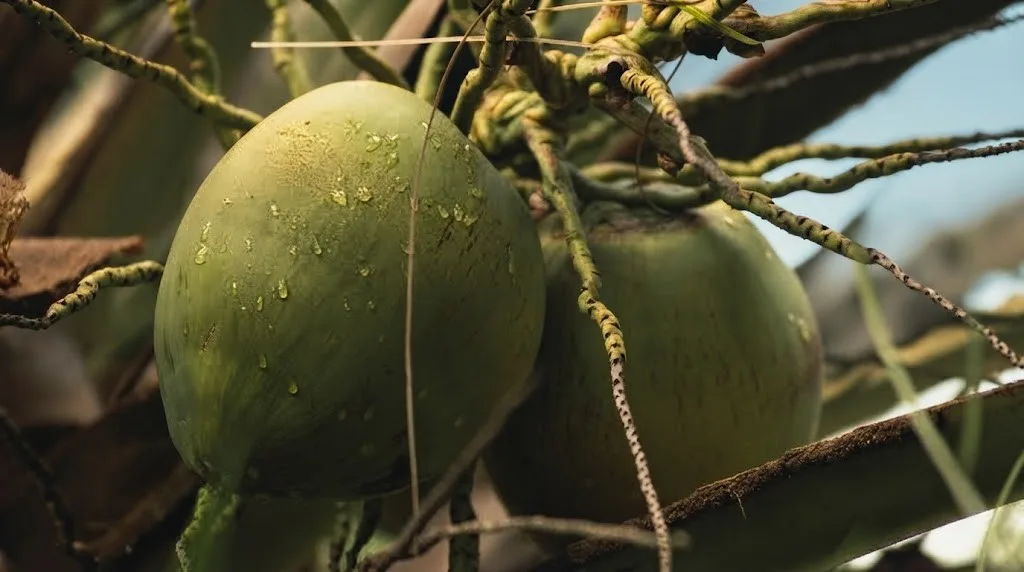
LEYTE - Coconut is deeply connected with many Filipino communities, including those in Leyte. Farmers rely on knowledge developed through years of experience in growing and processing coconut products. The crop supports different forms of livelihood and local practices. It reflects the relationship between land and community. In many places, coconut farming is passed down through families as both a responsibility and a shared way of life. This makes the crop an important part of local memory as well as local work.
From Farms to Local Traditions
Coconut appears in many aspects of daily life, including cooking and handmade products. Local practices involving coconut demonstrate creativity in using available resources. These traditions reveal how communities develop ways of living based on their surroundings. Agriculture becomes part of cultural expression. Coconut-based ingredients and materials often appear in meals, household items, and small-scale products that people use every day. Through these uses, the crop becomes closely tied to both practicality and tradition.
Keeping Rural Knowledge Alive
Traditional farming knowledge represents an important part of Leyte’s heritage. Younger generations learning these practices help maintain connections to rural identity. Visitors exploring agricultural communities can see how culture exists through work and daily routines. These experiences highlight another side of Leyte’s story. Preserving this knowledge also helps communities value the skills that shaped earlier generations. As these practices continue, they keep Leyte’s rural culture visible in the present.