A Delicacy Made From Local Harvests
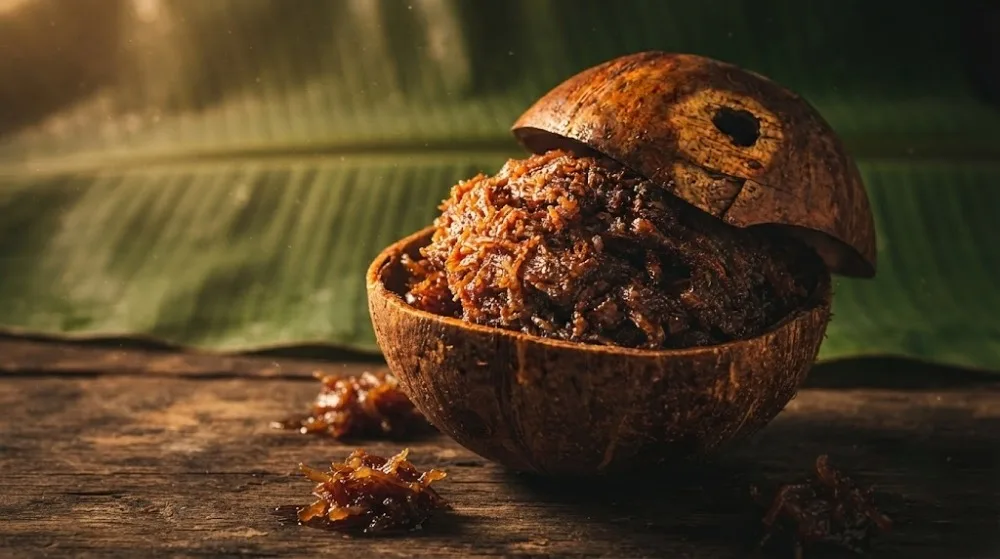
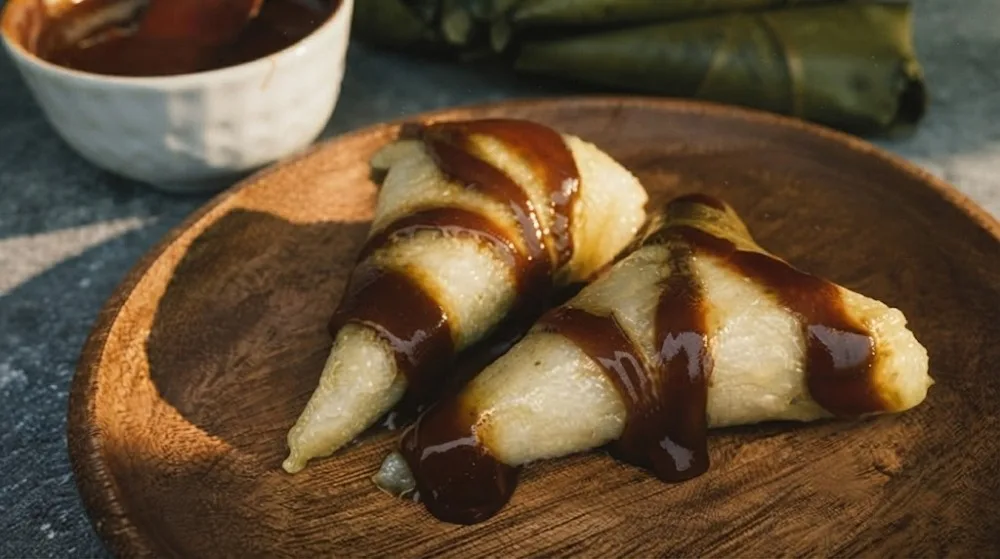
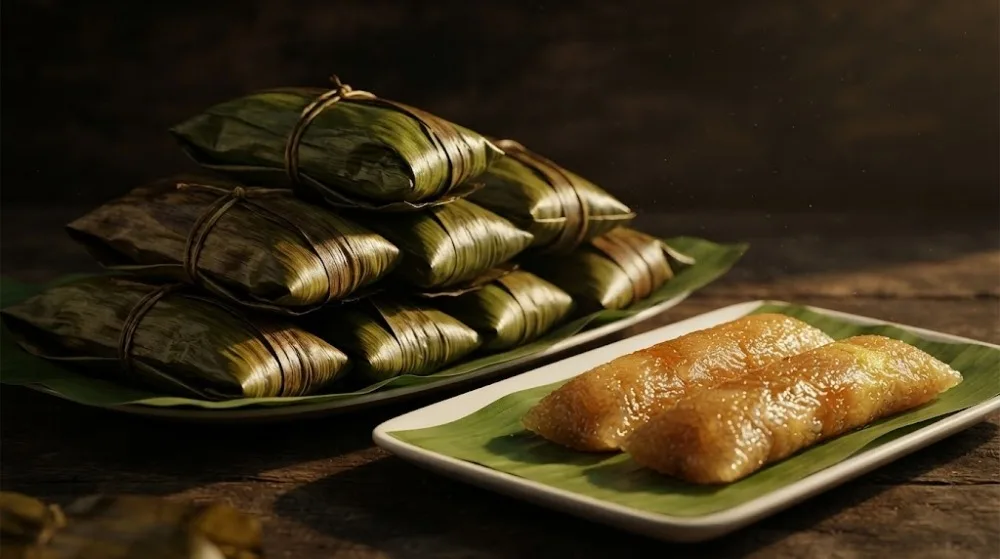
LEYTE - Cassava has long supported many farming communities across Eastern Visayas, making it a natural ingredient for traditional snacks like Kabkab. Through careful preparation, the root crop is transformed into a thin wafer with a pleasantly crisp texture. The recipe reflects the resourcefulness of communities that maximize locally available ingredients. It also demonstrates how agricultural traditions influence regional cuisine. Using locally grown cassava helps preserve both farming practices and culinary customs. Each piece of Kabkab represents the close relationship between food production and everyday life in Leyte. This connection continues making the delicacy relevant across generations.
Simple Yet Distinctive
Kabkab does not depend on complicated flavors to become memorable. Instead, its appeal comes from its light texture and straightforward preparation. Many traditional delicacies remain popular because they focus on quality ingredients rather than elaborate recipes. Kabkab is an excellent example of how simplicity can leave a lasting impression. Its versatility also allows it to be enjoyed on its own or paired with different beverages during merienda. This flexibility has helped the delicacy remain part of everyday snacking traditions for many families. It continues offering a familiar taste that reflects Leyte's culinary identity.
Preserving Traditional Cassava Delicacies
As food trends continue changing, delicacies like Kabkab remind people of the importance of preserving local recipes. They represent generations of knowledge passed from experienced cooks to younger family members. Supporting these delicacies helps maintain an important part of Leyte's cultural heritage. Visitors interested in exploring authentic regional cuisine will find Kabkab to be a rewarding discovery. Its continued production reflects the dedication of communities that value traditional food craftsmanship. Through simple ingredients and careful preparation, Kabkab continues telling the story of Leyte's enduring food traditions.