ILOILO CITY — For years, the quiet assumption hanging over Iloilo City's housing programs was that access required connections. On April 28, 2026, the city government decided to say it out loud—and then dismantle it. Local Housing Office head Atty. Peter Jason Millare issued a statement that was part clarification, part institutional reform, and entirely unprecedented: the city's four major housing projects are now governed by a strict needs-based, first-in-first-out allocation system, and the era of political influence in beneficiary selection is over. "As much as possible, gina-depoliticize naton ini. Ginkakas gid naton ang 'ginapolitika ang housing', nga kun sino lang ang lapit, siya lang awardan. That's not true," Millare said.
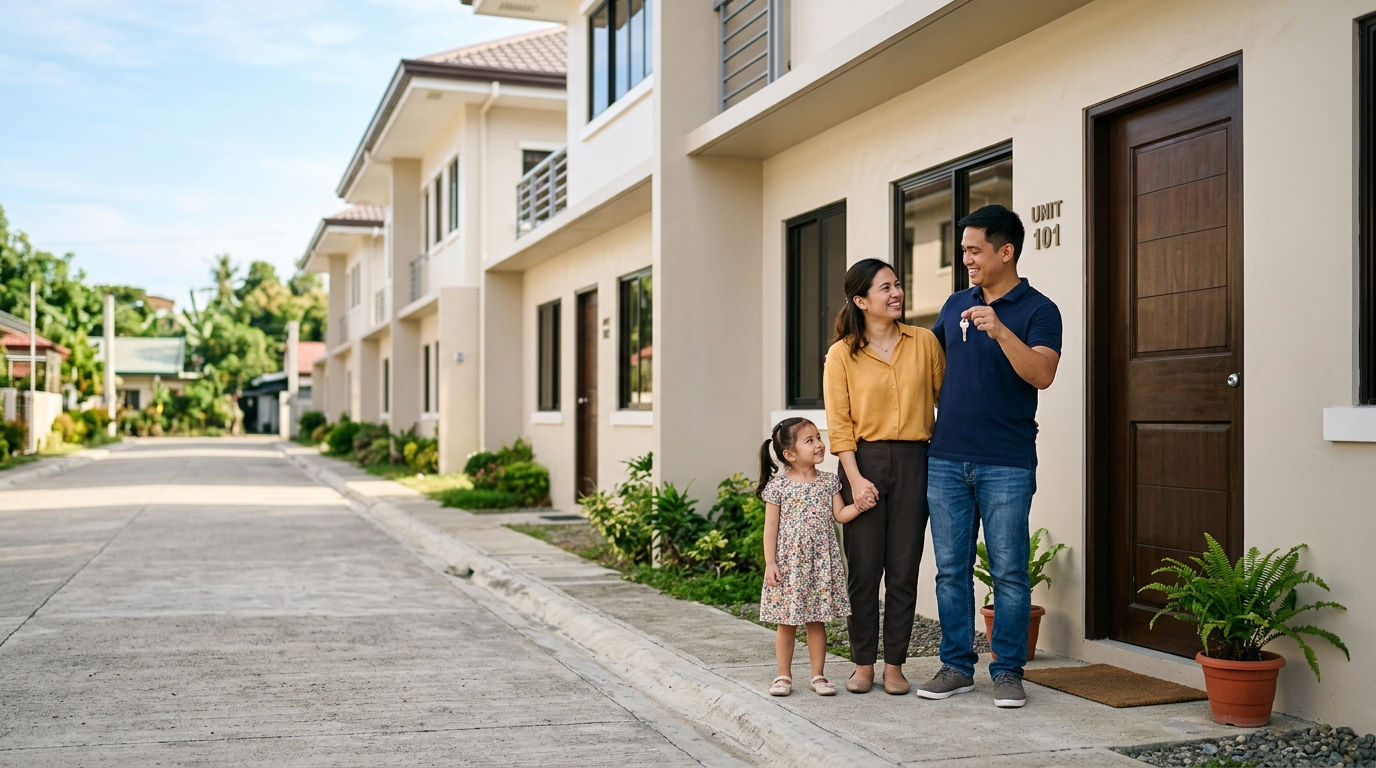
The clarification was prompted by a persistent misconception that had calcified into public cynicism: that the city's housing projects were reserved exclusively for city hall employees. "Nag-create siya sang misunderstanding nga city hall employees lang makabenepisyo, but it's not," Millare said. "All the rest is open market—meaning first-time buyers, wala sang property, and preferably city voters since they are the constituents we serve." The statement signaled a fundamental shift in how Iloilo City distributes one of its scarcest and most coveted resources: the keys to a home.
Four Projects, One Philosophy
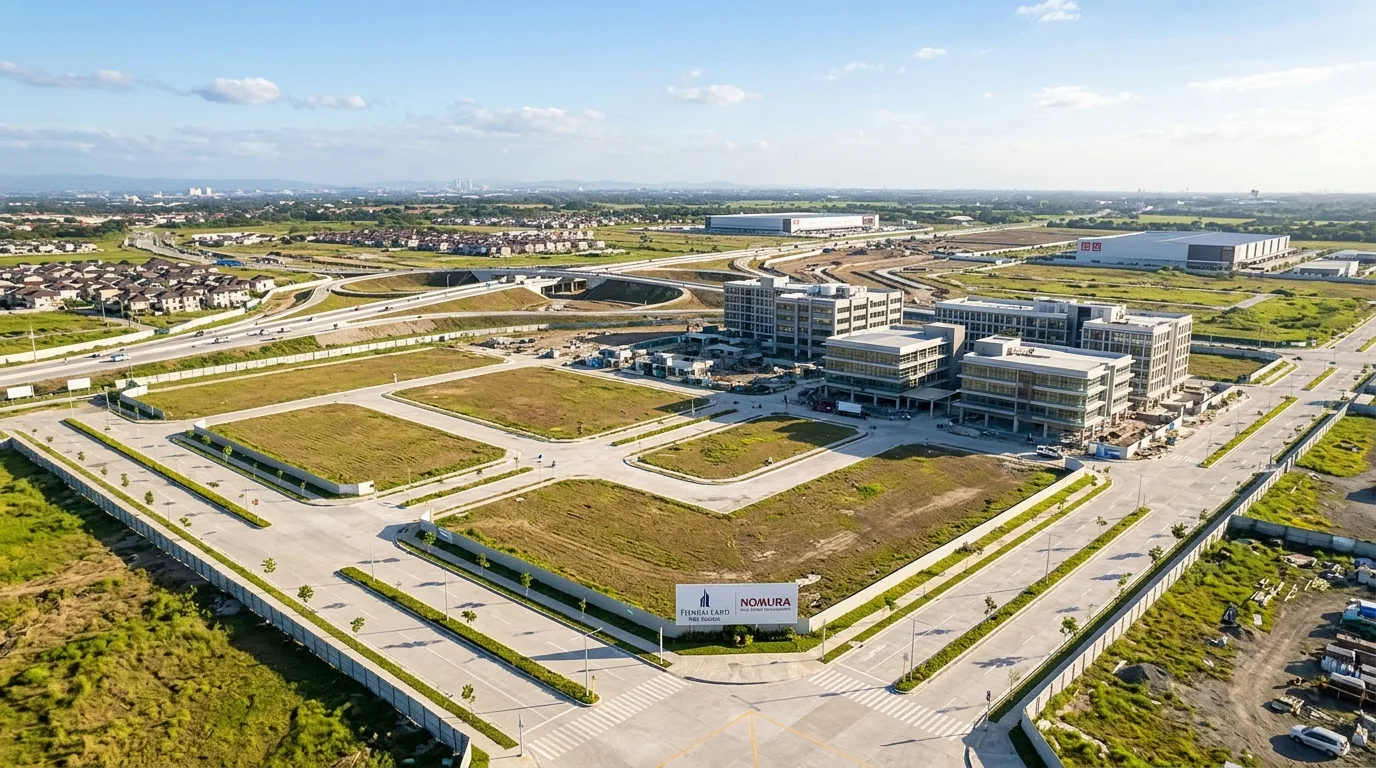
The city is currently ramping up four major housing projects that collectively represent the most ambitious socialized housing push in Iloilo's history. The completed 120-unit KaUswagan Residences, a ₱248-million low-rise condominium developed by SM Development Corporation in Barangay San Isidro, Jaro, has already been occupied—though Millare stressed that a few units remain available for qualified applicants. The 240-unit Uswag Residential Building Complex, funded by the National Housing Authority, is completing rectification works before turnover. The 1,677-unit Uswag 4PH Condominium Complex, a ₱2.54-billion affordable housing project spanning 13 ten-story buildings, is the first in the country implemented under a public-private partnership model under the Pambansang Pabahay Para sa Pilipino Program. And Batiano Village, a climate-resilient community in Barangay West Habog-Habog, Molo, provides 173 loft-type, disaster-resilient housing units for informal settler families relocated from high-risk riverbank areas.
The diversity of the projects—low-rise and high-rise, socialized and climate-resilient, PPP and government-funded—reveals a housing strategy that refuses to rely on a single template. Each project targets a different segment of the population, from low-salaried government employees to informal settlers displaced by infrastructure projects, from fire-affected families to those living in flood-prone danger zones. What unites them, Millare insists, is a shared allocation philosophy: eligibility is determined by need and filing date, not by political proximity.
A Transparent Queue
The mechanism Millare described is deceptively simple. "Ang gina-contact namon subong amo ang nag-apply pa sang 2023. First-in, first-out kita. We also have over 400 walk-in applicants," he said. Priority is given to families living in danger zones, informal settlers displaced by infrastructure projects, and households affected by fires or natural disasters. The city has also enforced accountability: 93 housing beneficiaries recently lost their privileges after inspections found violations including unoccupied units and neglect, a move that reinforced the message that housing is a responsibility, not a grant.
The institutional architecture supporting this allocation system has been years in the making. The city secured a ₱200-million loan from the Development Bank of the Philippines in 2023, which was allocated for lot acquisition intended as relocation sites for socialized housing programs. From those proceeds, Millare said the city government has acquired around 15 hectares of land for housing projects. "Because we have a good lot acquisition program, it is continuous and there is a funding source, it is easier for us to implement housing projects because we already have a lot ready for development," he said.
A Model for Philippine Cities
The depoliticization of housing allocation in Iloilo City arrives at a moment when the national housing backlog exceeds 6.5 million units, and when public cynicism about the politicization of government programs remains a persistent barrier to participation. Millare's language—blunt, transparent, and grounded in operational detail—offers a template that other cities could adopt with little more than administrative will. "We have to accept our reality nga limited gid ang resources. Pero ang importante, naga-provide kita. Wala kita gapabaya," he said.
The city is steering away from fully subsidized models, instead promoting sustainable housing programs that encourage responsibility and long-term ownership among beneficiaries. That philosophy—provide the structure, demand accountability, and remove the politics—has transformed Iloilo City's housing office from a gatekeeper into a facilitator. For the family waiting since 2023, for the informal settler whose barangay floods every monsoon, and for the young couple looking to buy their first home, the message is now unambiguous: the line is long, but it moves, and it moves in order. The keys, when they come, are earned.