ILOILO CITY — Iloilo City, a rapidly expanding hub in Western Visayas, is confronting intensifying climate risks that directly threaten its booming real estate market. Project TRANSFORM convened a Climate Forum for the private sector to address these challenges. The dialogue reframes escalating hazards like extreme heat and water scarcity into opportunities for resilience‑building. For property stakeholders, the forum signals that climate adaptation is now a core business strategy.
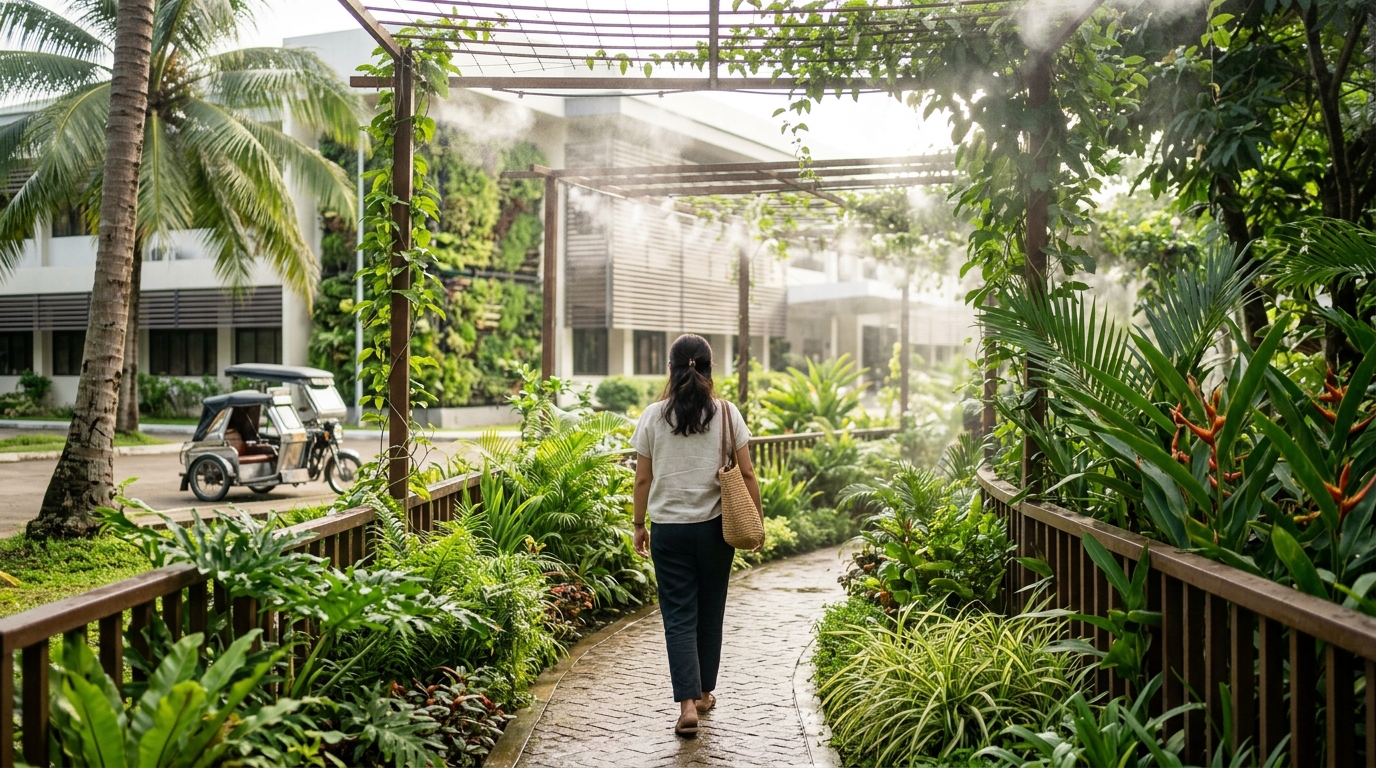
The city faces projected heat indices reaching up to 47°C, prolonged dry spells, and below‑normal rainfall. These hazards, exacerbated by the Urban Heat Island effect, threaten livelihoods, agriculture, and infrastructure. For the property sector, the risks include higher cooling costs, water supply disruptions, and reduced pedestrian activity. The forum positions businesses as catalysts in shaping a climate‑ready Iloilo City.
A Collective Defense for a Thriving Market
Anchored on Project TRANSFORM's Environment Pillar, the forum mobilized private‑sector commitments to co‑design adaptive strategies. These strategies focus on strengthening water security, reducing heat exposure, and sustaining economic activity. For developers and investors, the coordinated response reduces uncertainty and protects asset values across the city's residential and commercial portfolio.
Iloilo's property market leads the Visayas‑Mindanao region, with Colliers Philippines reporting a 96 percent house‑and‑lot take‑up rate in early 2026. Sustaining this momentum requires infrastructure that keeps pace with both development and climate threats. The forum's emphasis on scientific collaboration and policy innovation provides the framework that institutional investors and developers need to commit long‑term capital. A city that actively manages its climate risks is a city where property values can continue appreciating.
Transforming Risk into Long‑Term Value
By integrating technical foresight with community‑driven action, the forum positions Iloilo as a model of climate adaptation. The dialogue acknowledged that vulnerable groups—children, the elderly, and outdoor workers—face heightened risks, and that protecting them is integral to the city's livability. For property buyers, livability is increasingly a decisive factor alongside price per square meter.
The forum's outcomes are expected to influence future building standards, water management policies, and green infrastructure investments. For Iloilo, already recognized as an ASEAN Clean Tourist City and a UNESCO Creative City of Gastronomy, the proactive approach adds another layer to its investment proposition. The private sector's engagement ensures that the city's growth is not only rapid but also resilient and sustainable for generations to come.