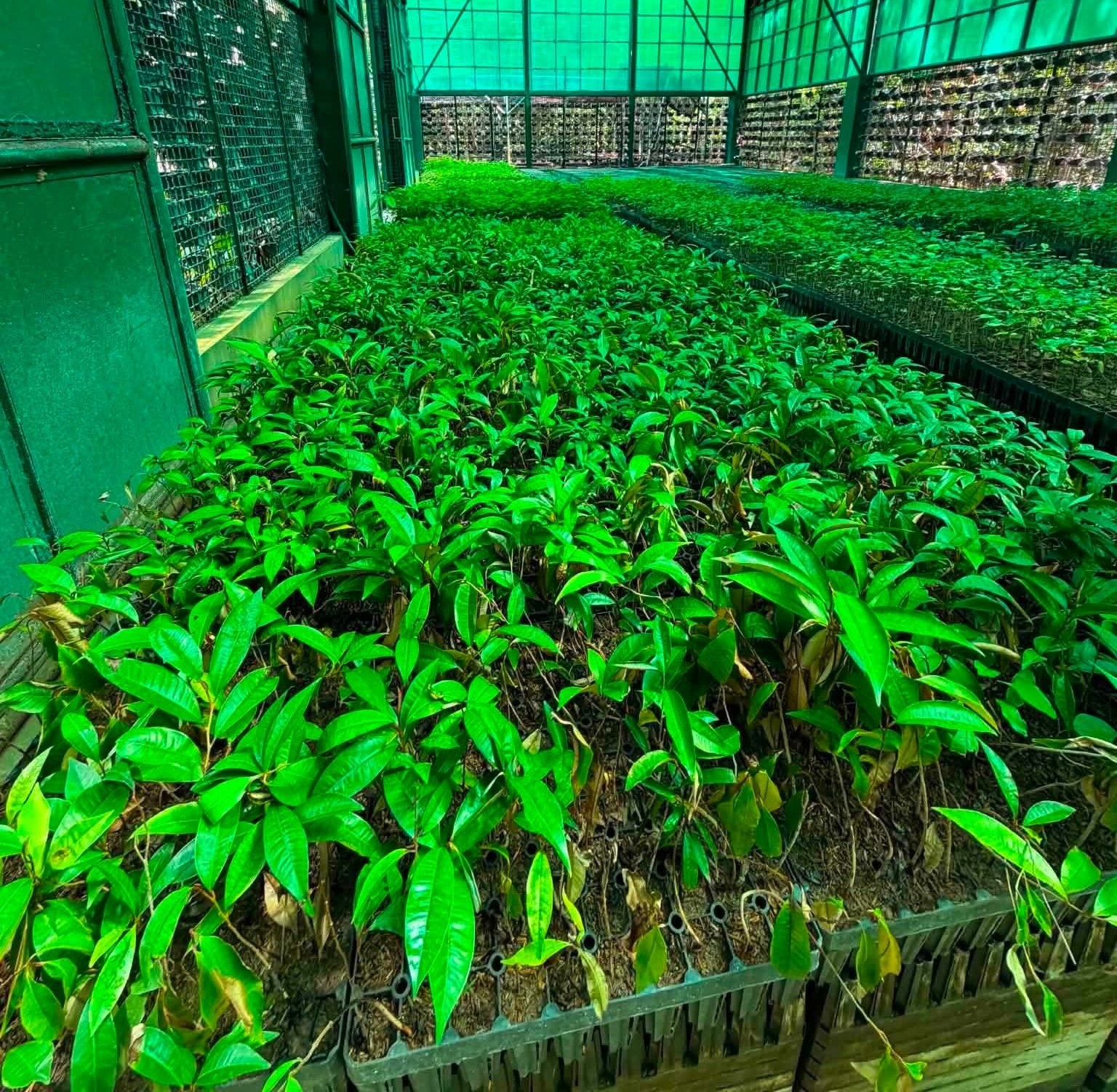
ILOILO CITY — A truck loaded with 40,000 native tree seedlings from the DENR Jawili nursery in Tangalan, Aklan, rolled into Iloilo City on May 30, 2026, delivering not just saplings but a deliberate strategy to reshape the visitor experience. The massive haul, which Mayor Raisa Treñas called a major boost to the city’s urban greening program, will be planted across plazas, esplanades, parks, and community open spaces, enhancing the city’s landscape while creating cooler, shaded microclimates for tourists and residents alike.
The initiative forms part of Project TRANSFORM, the city’s umbrella environmental program, and directly addresses the extreme heat indices that have made walking tours uncomfortable during peak months. "This is about making our city more livable and visitable," Treñas said. "Every tree we plant is an investment in the comfort of our people and our guests." The seedlings—all native species adapted to the local soil and climate—will gradually line the routes that tourists walk, from the Esplanade to the Terminal Market to the heritage churches of Molo and Jaro.
A Cooling Canopy for the Visitor Economy
The 40,000 seedlings represent a deliberate expansion of Iloilo’s green infrastructure, complementing the 10,000‑tree green corridor along Diversion Road and the solar‑powered cooling hubs that opened earlier this month. Once mature, the trees will form a cooling canopy that reduces ambient temperatures, captures carbon, and improves air quality along the city’s busiest pedestrian corridors. For visitors, this means shaded walks, more comfortable outdoor dining, and the kind of lush urban landscape that photographs well and lingers in memory.
The logistics were no small feat. The seedlings traveled by sea and road from Aklan to Iloilo, a journey coordinated by the City General Services Office, the Office of the City Environment and Natural Resources Officer, and the Greening and Beautification Division. The successful delivery signals the city’s capacity to mobilize large‑scale environmental projects in partnership with national agencies like the Department of Environment and Natural Resources. It also builds on Iloilo’s growing reputation as an ASEAN Clean Tourist City and a UN‑recognized model for sustainable urban development.
A Shaded Future for Iloilo’s Tourism
For the tourism sector, the 40,000 seedlings are a long‑term bet that the most appealing destinations are those that invest in their own environment. They will eventually shade the plazas where festivals unfold, the markets where food tourists sample dried fish and batchoy, and the riverbanks where cyclists and joggers share the Esplanade. The initiative is not a one‑off planting but part of a sustained, multi‑year urban greening strategy.
Treñas acknowledged the contributions of the DENR and the city’s frontline teams who made the delivery possible. "Let’s keep growing together, Ilonggos," she said. For the traveler planning a visit to Iloilo in the years ahead, the 40,000 seedlings now settling into the city’s soil are a quiet promise: that the city will be cooler, greener, and more beautiful than it is today.