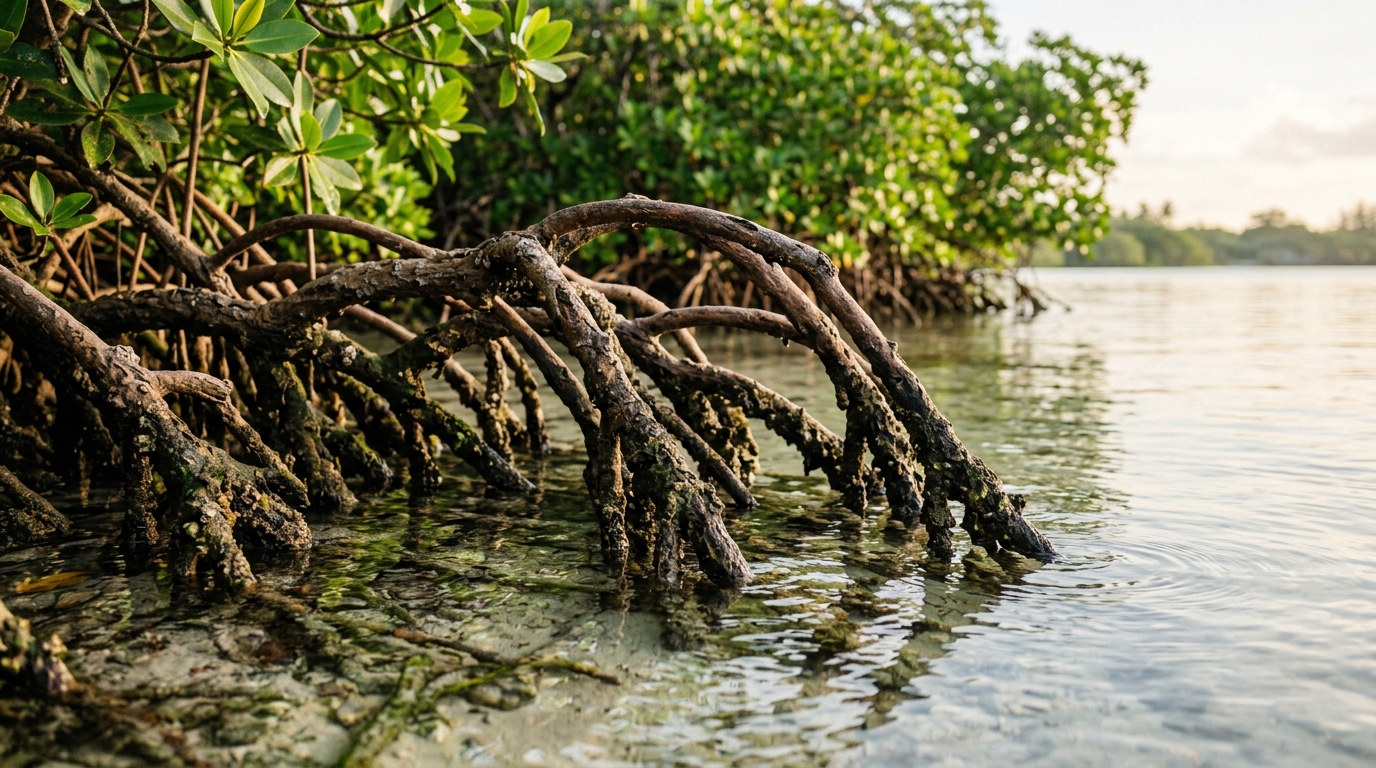
ILOILO CITY — A proposed ordinance that would establish "Coastal Greenbelt Zones" along the city's shoreline has cleared its first legislative hurdle, and property analysts are watching closely. The measure, introduced by Councilor Romel Duron and approved on first reading by the Sangguniang Panlungsod on January 21, 2026, mandates the protection and expansion of mangrove and beach forests from the sea toward land. These strips of coastal vegetation are designed to prevent erosion and mitigate the impact of storm surges, flooding, and typhoons on human lives and property.
Duron framed the proposal as both an environmental safeguard and a compliance measure. "Actually, we are mandated by the Department of the Interior and Local Government to protect our coastal barangays. During calamities like flooding, typhoon and storm surge, they help cushion the impact," he said. The ordinance would impose penalties for illegal mangrove cutting, addressing ongoing conversion of mangrove areas into fishponds. For a city that is sinking roughly nine millimeters per year, the greenbelt is not merely ecological—it is structural.
A Real Estate Hedge Against the Sea
The barangays identified for greenbelt development include Balabago and Bito‑on in Jaro, Boulevard in Molo, and Hinactacan in La Paz. These are precisely the coastal communities where informal settlements, fishpond conversions, and rising sea levels intersect. The proposed ordinance would mandate mangrove planting in identified zones, creating a living infrastructure that grows thicker and more effective with each passing year.
For property owners and developers along Iloilo City's coastline, the ordinance introduces a land‑use variable that may soon become a valuation factor. Mangrove forests reduce wave energy by up to 75 percent in wide, mature belts, protecting shoreline properties from erosion and inundation. Neighborhoods buffered by healthy greenbelt zones are neighborhoods where property damage from storm surges is lower, insurance claims are fewer, and long‑term asset stability is stronger. The Iloilo River Esplanade, which now holds more than two million mangrove seedlings, has already demonstrated that restored greenery raises rather than depresses adjacent land values.
From Global Recognition to Local Legislation
Iloilo City's mangrove restoration efforts have already earned international recognition. The city was named one of only 11 global role model cities for biodiversity restoration by the United Nations, a distinction Councilor Duron directly linked to the mangrove rehabilitation in Barangays Bito‑on, Hinactacan, and Balabago. The greenbelt ordinance institutionalizes that recognition, converting a restoration success into a permanent regulatory framework.
The proposal arrives amid an ongoing city council investigation into the alleged anomalous issuance of homestead patents covering 50 hectares of mangrove areas along the Iloilo Strait. Duron has also sought emergency measures from the Department of Environment and Natural Resources to protect mangrove forests from developers and land speculators. The coastal greenbelt ordinance is the legislative answer to that investigation, codifying protections that have been contested in court and on the ground. Once enacted, it will add penalties, planting mandates, and inter‑agency coordination to a coastline that has been defended by science but not yet secured by law.