Flexibility Changed Daily Routines
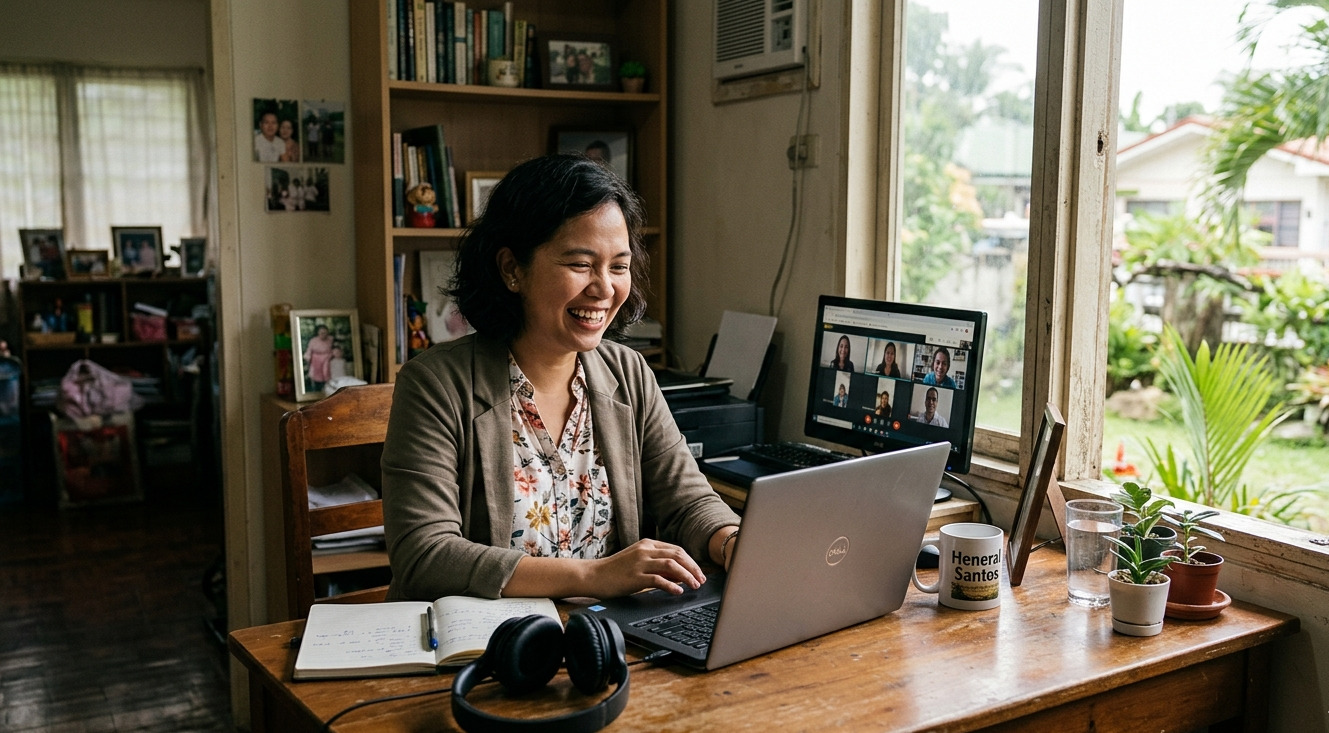
Workers with remote or hybrid schedules often experience more control over commuting time and personal routines. Some employees use saved travel time for rest, exercise, or family responsibilities. Flexible work setups are influencing how people structure everyday life around employment. The separation between personal and professional spaces is becoming less rigid. Work culture is adapting alongside technology.
Digital Skills Became More Valuable
Remote work increased demand for communication tools, online collaboration, and self-management skills across different industries. Employees now need to navigate virtual meetings, productivity platforms, and digital reporting systems regularly. Technical adaptability became important even outside technology-focused jobs. Employment increasingly depends on digital competence. The workplace itself expanded beyond physical offices.
Workers Are Rethinking Career Priorities
Some employees now value flexibility and work environment as much as salary when evaluating opportunities. Remote work exposed different possibilities for balancing productivity and lifestyle preferences. In General Santos, workers are gradually becoming more selective about schedules, commute demands, and workplace setup. Employment expectations continue evolving alongside changing technology and routines. Work is becoming more defined by output than location.