Mount Hamiguitan Range Wildlife Sanctuary, a UNESCO World Heritage Site, is trending this week as the ultimate destination for "botanical tourism." As of April 2026, the peak dry season has created the perfect conditions for viewing the mountain’s unique pygmy forest and endemic pitcher plants. Located within the Davao region, this sanctuary offers a challenging but rewarding trek for those who value solitude and scientific discovery. It remains one of the most biodiverse areas in the Philippines, providing a sanctuary for species found nowhere else on Earth.
A Botanist’s Dream in the Pygmy Forest
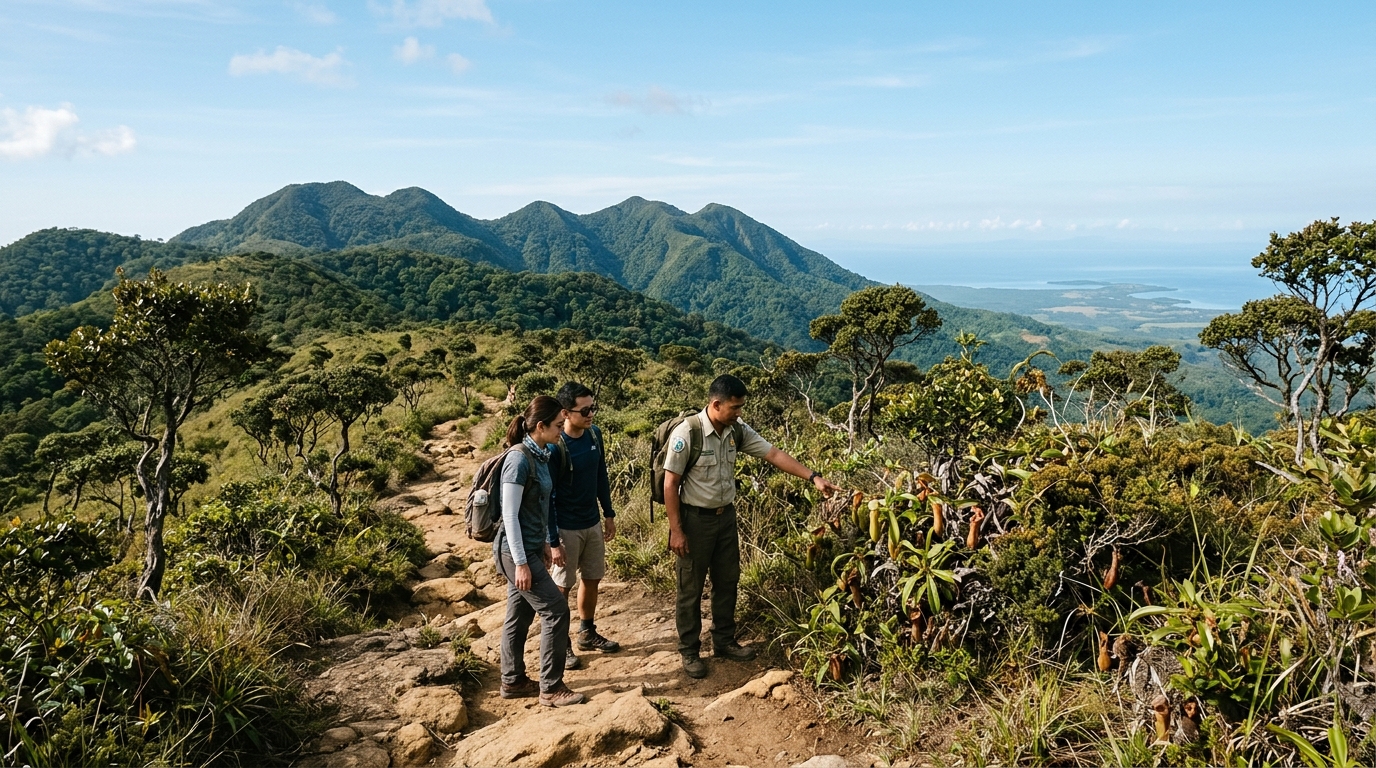
The sanctuary is famous for its 225-hectare "bonsai" or pygmy forest, where centuries-old trees stand only a few feet tall. Between April 18 and 21, the endemic Nepenthes pitcher plants are in their peak viewing stage, clinging to the grasses and shrubs of the peatier spots. Local park rangers have noted that the clear weather this week has made these rare plants much easier for guided groups to spot. Walking through this ancient, stunted landscape is described by visitors as like stepping into a prehistoric world.
Guided Conservation for a Meaningful Trek
Hiking in Mt. Hamiguitan is strictly guided to protect the delicate ecosystem, a move that ensures the long-term health of the sanctuary. These guides, often members of the local community, provide invaluable insights into the mountain’s unique geology and wildlife. Recent updates suggest that booking ahead is crucial, as the park limits visitor numbers to maintain its "non-magnet" status for mass tourism. This exclusivity ensures a quiet, profound connection with nature that is rare in more commercialized spots.
The "Sleeping Giant" and Panoramic Vistas
The 6-kilometer trail offers diverse terrain, from rocky paths to steep inclines that lead to the famous "Sleeping Giant" rock formation. From these heights, trekkers are rewarded with panoramic views of the Davao Gulf and the surrounding verdant landscapes. The dry season from February to April is the best time to visit, as it avoids the mudslides and obscured views common during the rainy months. For the adventurous traveler, Mt. Hamiguitan represents the pinnacle of Davao’s natural and ecological heritage.