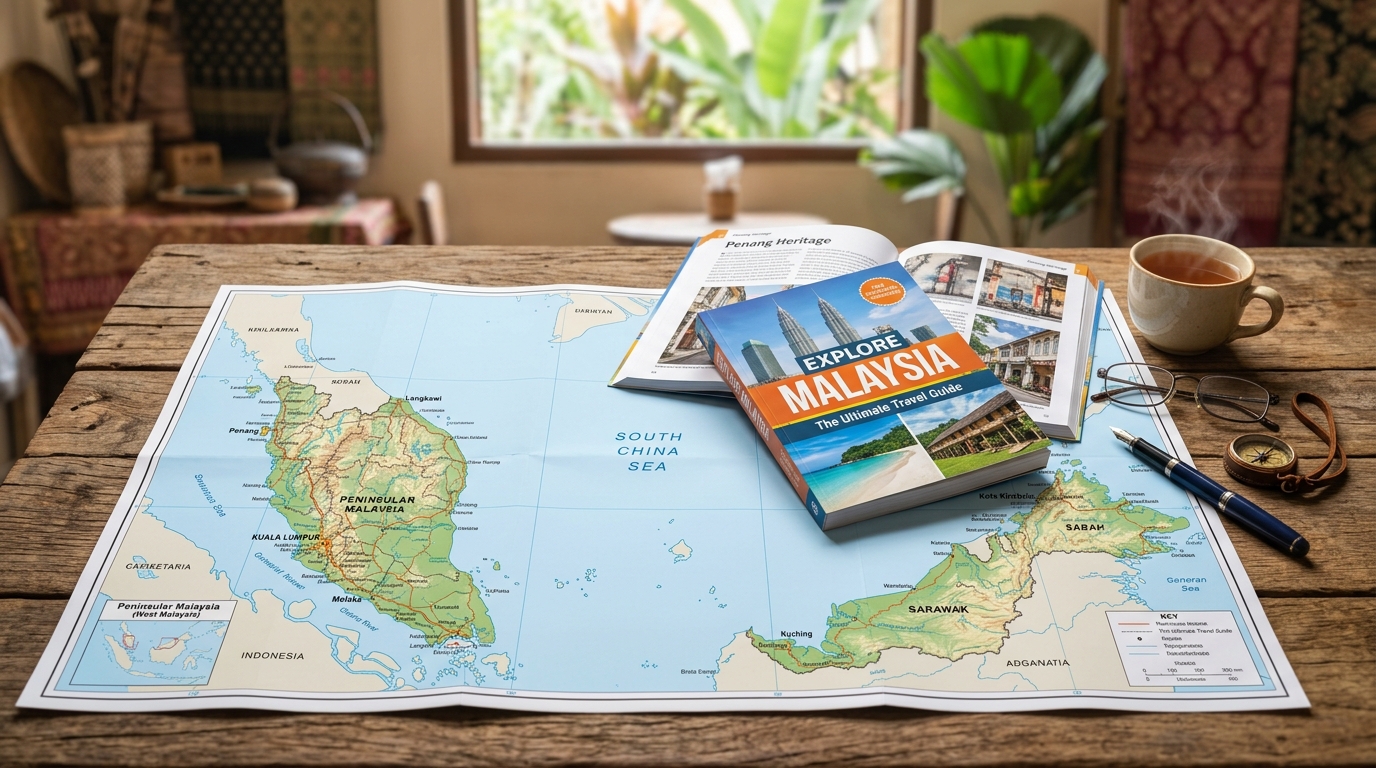
Miri, a vibrant city in Sarawak, Malaysia, is witnessing a remarkable surge in tourism, drawing an increasing number of international visitors, prominently including travelers from the Philippines. This uptick is largely attributed to recent strategic developments, such as a successful deep-sea fishing tournament and the significant expansion of Miri Airport, which have collectively boosted the city's appeal as a prime destination. Major carriers like AirAsia, Malaysia Airlines, Scoot, and Singapore Airlines have responded by adding new routes, further enhancing Miri's accessibility and cementing its status as an emerging tourism hub in Southeast Asia.
Fostering Stronger Ties and Transnational Horizons
The influx of tourists from Indonesia, Brunei, Singapore, and particularly the Philippines and China, signals a robust period for Malaysia's travel sector. For Filipinos, this growing connectivity means more than just leisure travel; it represents a potential gateway to new opportunities and easier access to family. The direct mention of Filipino visitors among the top nationalities highlights an existing strong link, which is now poised for further growth.
Leveraging Hospitality Boom and Diaspora Mobility
This tourism boom in Miri holds significant implications for the Filipino community, both those residing in Malaysia and their families back in the Philippines. Increased tourist arrivals typically translate into a higher demand for services across various sectors, including hospitality, food and beverage, retail, and transportation. These industries are traditional strongholds for overseas Filipino workers (OFWs), suggesting a potential rise in employment opportunities for skilled and semi-skilled Filipino professionals seeking work in Malaysia. Furthermore, enhanced flight connectivity can simplify travel for OFWs living in Malaysia, making it easier and potentially more affordable to visit their families in the Philippines or for family members to travel to Malaysia for reunions. The economic ripple effect could also benefit Filipino-owned businesses in Malaysia, catering to both the local population and the growing tourist demographic.
Navigating Job Stability and Evolving Labor Landscapes
Filipinos considering employment or business ventures in Malaysia, especially in regions like Sarawak, should closely monitor the evolving tourism landscape. The expansion of Miri Airport and the introduction of new flight routes indicate a long-term commitment to growth, which could stabilize and expand job markets relevant to OFWs. Aspiring workers should research specific labor demands in Miri's booming tourism and service sectors and prepare accordingly. For those already in Malaysia, staying informed about travel advisories and new flight schedules can facilitate better planning for visits home to the Philippines or for family members visiting them. This surge underscores Malaysia's continued role as a key destination for Filipino talent and travel.