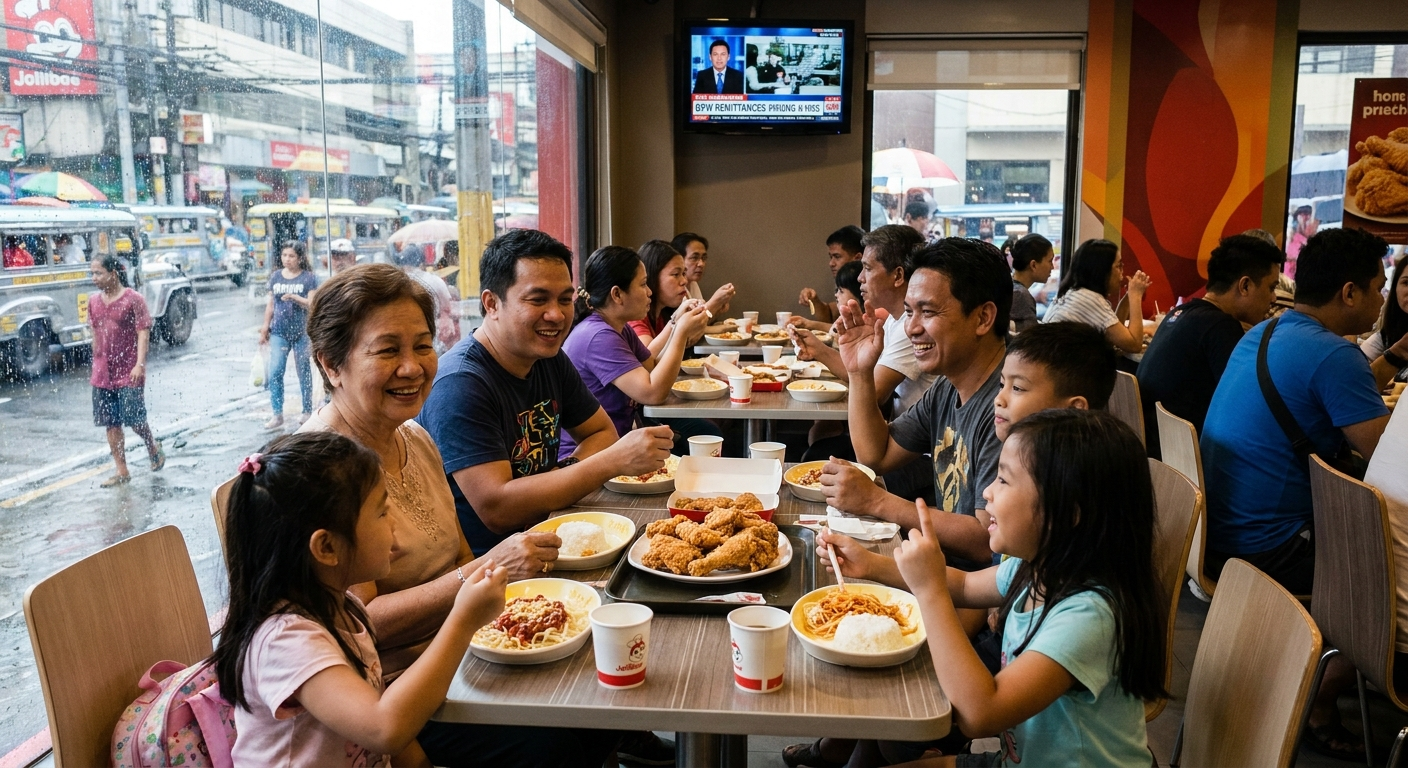
Quick-service restaurants (QSRs) across Asia are witnessing significant developments, from rapid expansion in the Philippines to innovative menu introductions in major economic hubs. Wendy's, a global fast-food giant, recently celebrated reaching 100 operational branches within the Philippines, a notable achievement that underscores the country's vibrant consumer market and robust economic activity. This milestone highlights the continued investment by international brands in the Philippine economy, a trend with direct implications for employment and local supply chains. Simultaneously, key Asian cities that host large populations of overseas Filipinos are seeing their own QSR sectors evolve. Starbucks Singapore has unveiled its latest summer menu, reflecting the competitive and dynamic food and beverage landscape in the city-state. In Hong Kong, Shake Shack has announced a partnership with a tequila brand, indicating a push for unique, localized offerings in another major urban center. These moves by global brands in Singapore and Hong Kong are indicative of sophisticated consumer markets and economic resilience in these regions.
Brands and Their Effects in the Philippines
The expansion of QSR brands like Wendy's in the Philippines is more than just a business milestone; it's a barometer of economic confidence. Each new branch translates into direct and indirect job opportunities, from restaurant staff and management to supply chain logistics and local produce sourcing. This growth contributes to the overall stability and expansion of the domestic service sector, which is a significant employer for many Filipinos. A thriving QSR industry also signals a growing middle class with increased discretionary spending, boosting the national economy. For the millions of Filipinos working abroad, particularly in economic powerhouses like Singapore and and Hong Kong, the continued vibrancy of their local food and beverage industries is also a positive indicator. These markets remain attractive for international brands because they serve diverse, active consumer bases, including the large Filipino diaspora. Stable and evolving F&B sectors in these regions indirectly support the broader economies that provide employment opportunities for overseas Filipinos (OFWs), contributing to the remittances sent back home.
What Healthy Economy Implies
Filipinos, both at home and abroad, should view these developments as signals of economic health and opportunity. In the Philippines, the QSR sector's growth means more career paths in hospitality and retail, as well as a wider array of affordable dining options. For overseas Filipinos, the continued robust performance of consumer-facing industries in their host countries suggests sustained economic activity, which is crucial for maintaining employment and ensuring a stable income. The ability of these economies to attract and support global brands reflects a resilient environment where Filipinos can continue to find work and contribute to their families' futures. These trends ultimately reinforce the Philippines' position as a key growth market and the importance of its global workforce.