As the 2026 dry season reaches a critical juncture, the Regional Disaster Risk Reduction and Management Council (RDRRMC) 12 is taking no chances with the region's climate stability. On May 2, 2026, council leadership issued an urgent call for all local government units (LGUs) across Soccsksargen to activate their contingency plans against a "compound threat" landscape. It is a high-energy pivot toward anticipatory action, where the primary focus is mitigating the overlapping impacts of a developing El Niño and potential sudden-onset hydrometeorological hazards. This proactive stance ensures that the region’s vast agricultural lands and bustling urban centers are not just reacting to the heat, but are strategically armored against it.
A Strategy of Multi-Hazard Vigilance
The complexity of the current weather pattern in Central Mindanao requires a shift from singular focus to a "Multi-Hazard Roadmap." During a high-level briefing on May 1, RDRRMC-12 Chairperson Rodrigo Sosmeña clarified that while El Niño brings drought risks, it does not erase the possibility of localized typhoons and extreme rainfall. This "shadow effect" means that parched soils could suddenly face landslides or flooding if a weather disturbance hits, making traditional response tactics insufficient. Consequently, the council is prioritizing the prepositioning of assets and the reinforcement of early warning systems in both mountain and coastal communities to ensure no one is caught off-guard by a sudden atmospheric shift.
Protecting the Region’s Breadbasket
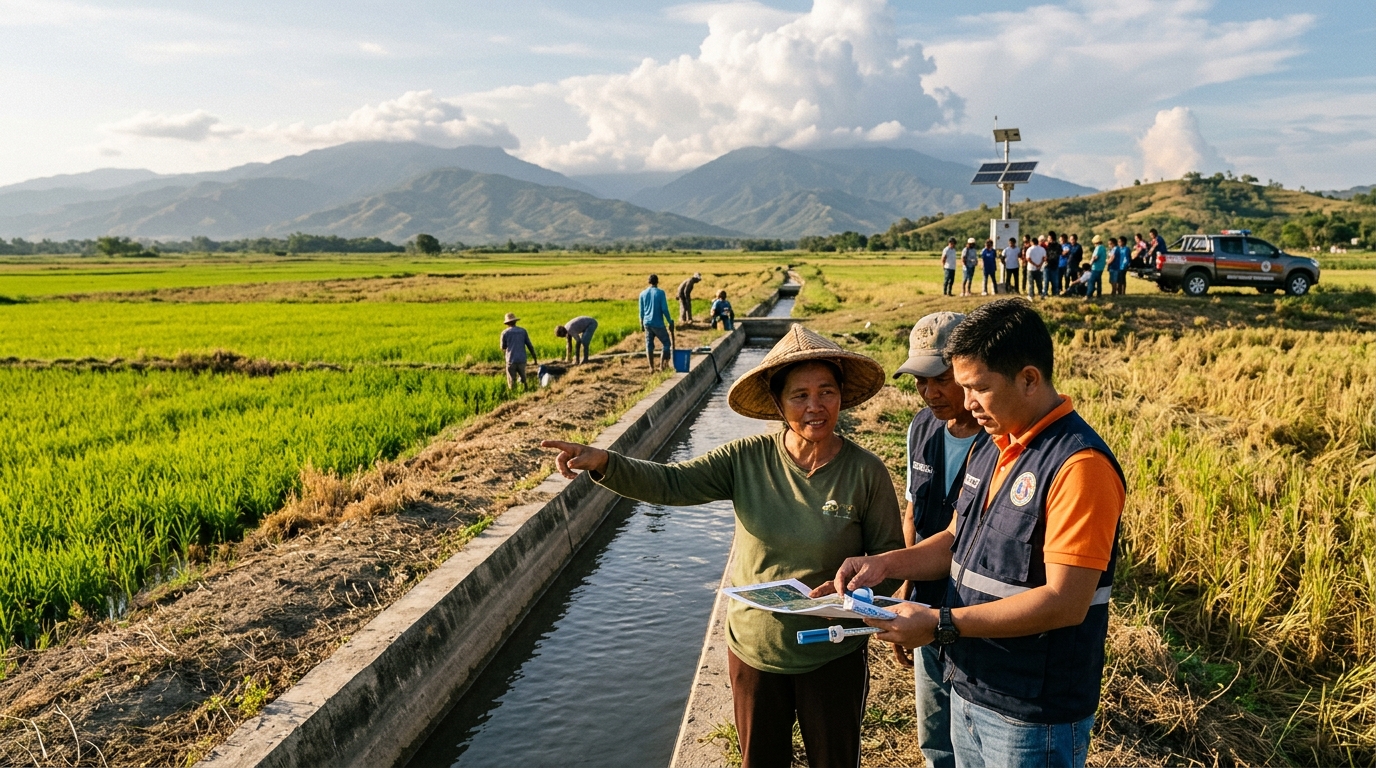
Given that Soccsksargen is a powerhouse for rice and corn production, the council is working closely with the Department of Agriculture to safeguard food security. On April 30, updated directives were sent to Sultan Kudarat and the Cotabato provinces to implement strict irrigation apportioning and water rotation schedules. These measures are designed to stretch the remaining water supply across the vast rice fields, preventing total crop failure in the event of a prolonged dry spell. By treating every drop of water as a strategic asset, the region is attempting to stabilize the local food supply chain and protect the livelihoods of thousands of farmers who are currently on the front lines of this climate event.
The Collective Responsibility of Resilience
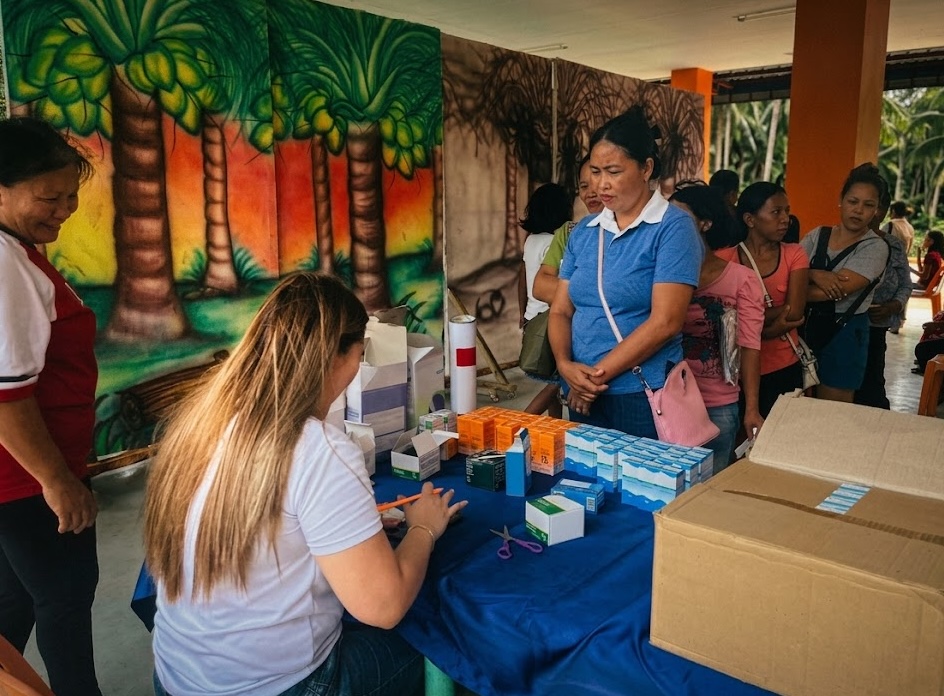
Beyond agricultural and structural prep, the council is emphasizing that disaster resilience is a "community-level mission." Between May 1 and May 2, public health advisories were scaled up to educate residents on heat stress prevention and the dangers of open burning, which could spark uncontrollable forest fires in the dry conditions. RDRRMC-12 is fostering an environment where barangay officials are empowered to monitor local water levels and energy consumption in real-time, effectively turning every citizen into a sensor for regional safety. This bottom-up approach ensures that as the city of General Santos and its neighbors move through 2026, they do so with a shared commitment to keeping the South safe, stable, and sustainable.