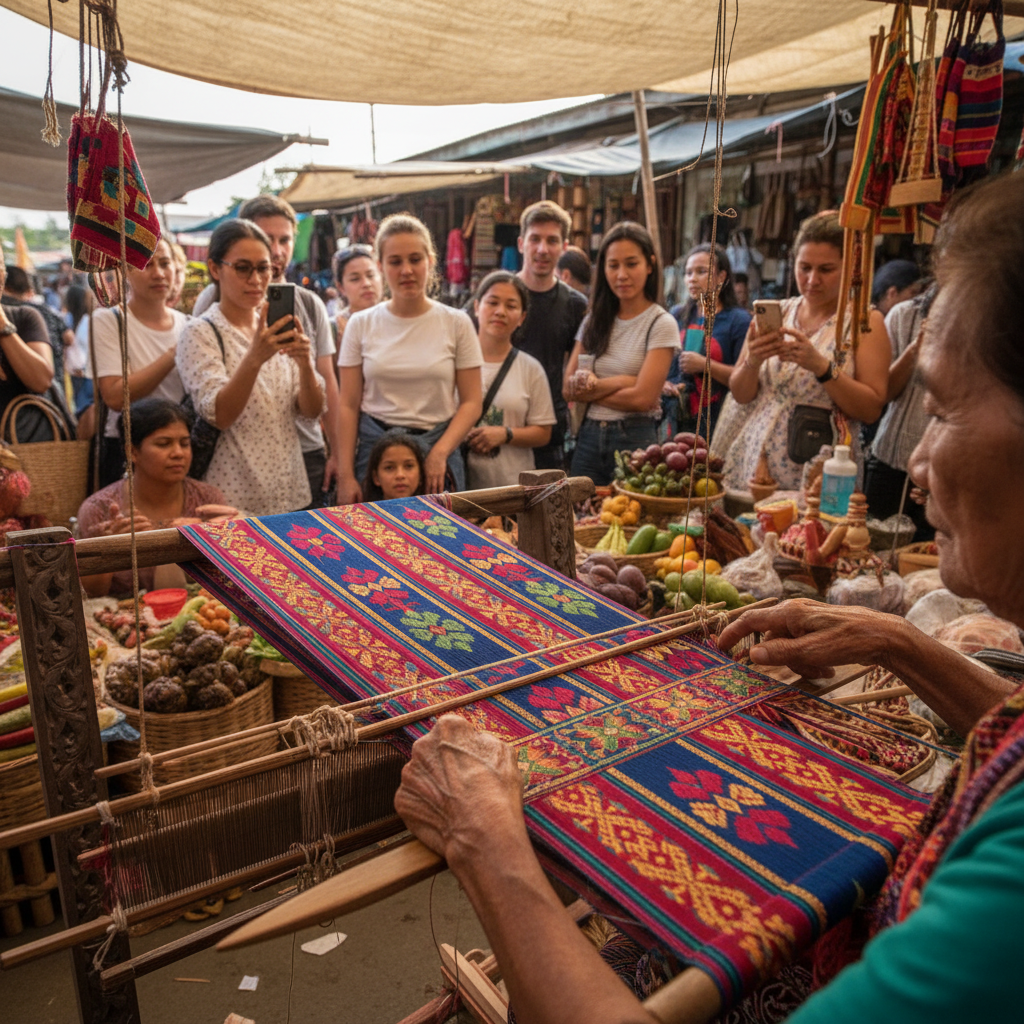
A recent cultural showcase, broadly described as "Filipino fashion in full bloom," underscored the vibrant tapestry of the nation's local craft, thoughtful cuisine, and commitment to social causes. While specific details about the event remain general, its very description points to a significant movement: the increasing global recognition of Philippine artistry and the powerful economic engine it represents for countless Filipinos, both at home and abroad. Events like this serve as vital platforms, bringing indigenous materials and traditional techniques to the forefront. From intricate hand-woven textiles to innovative designs that blend heritage with modernity, Filipino fashion designers and artisans are carving out a unique niche on the international stage. Similarly, the spotlight on "thoughtful cuisine" emphasizes not just the rich flavors of the Philippines but also the sustainable practices and local sourcing that support farmers and food producers across the archipelago. The inclusion of a "good cause" further highlights a deep-seated value within Philippine culture – using creativity and commerce as a means for community upliftment and social responsibility.
Why It Matters
These cultural celebrations are far more than just showcases; they are powerful economic drivers. For many Filipino families, particularly those with members working overseas, supporting local craft and cuisine can create alternative, sustainable livelihoods. It generates income for weavers, embroiderers, farmers, and small business owners, reducing the economic pressure that often compels individuals to seek opportunities abroad. By fostering a robust domestic creative economy, the Philippines can build resilience and offer more choices for its citizens, strengthening communities from within. Moreover, such events cultivate national pride, uniting Filipinos worldwide through a shared appreciation of their unique heritage and talent.
What Filipinos Need to Know
Filipinos, whether residing in the Philippines or as overseas Filipino workers (OFWs) across the globe, play a crucial role in amplifying this movement. By consciously choosing to support Philippine-made products, patronizing restaurants that feature authentic national cuisine, and promoting these cultural initiatives within their respective communities, they contribute directly to the economic empowerment of their homeland. These acts of support not only preserve invaluable cultural traditions but also help build a stronger, more self-sufficient Philippine economy, creating a ripple effect that benefits families and communities for generations to come.