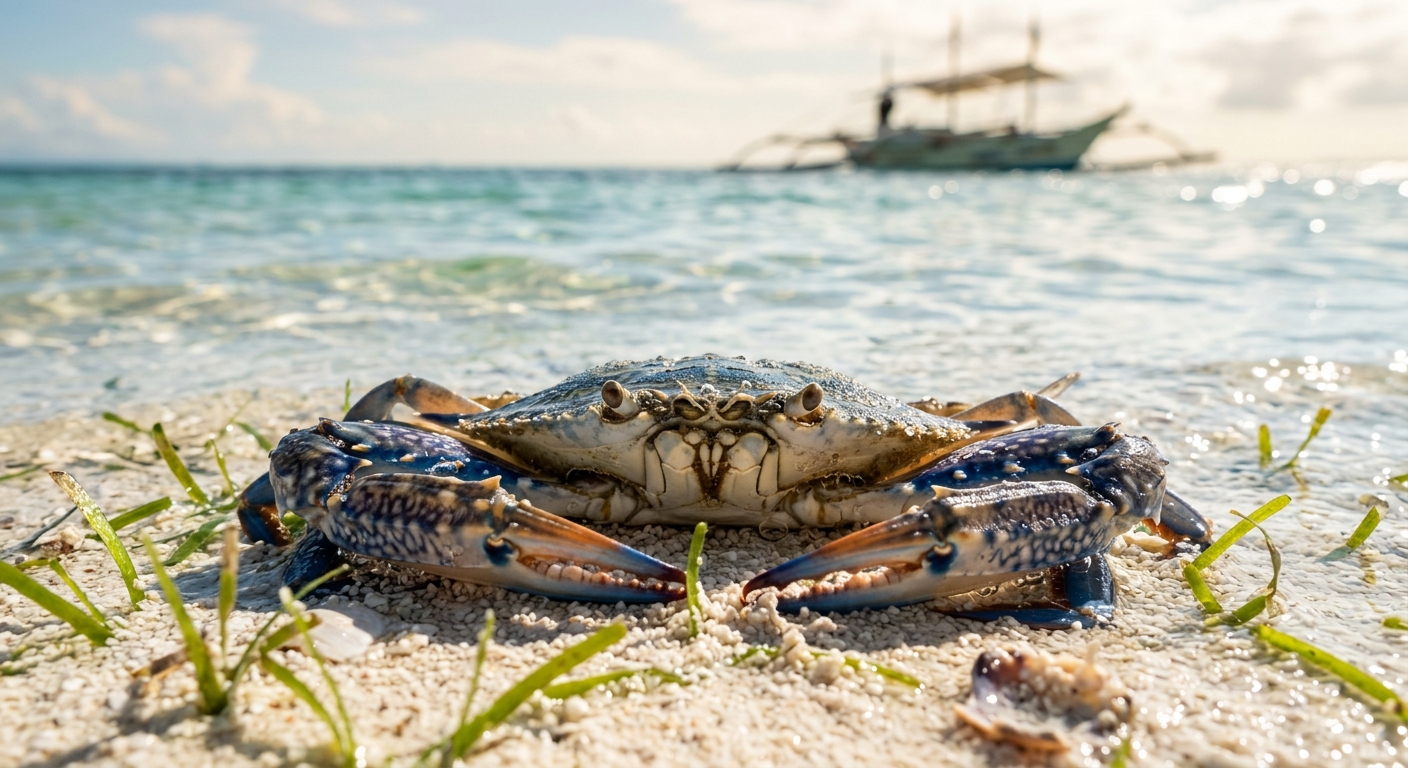
ILOILO CITY — The University of the Philippines Visayas Seafood PRIME Laboratory has proven that discarded crab shells can fuel a new coastal economy. At the CrabZero project demonstration in Barangay Igbon, Concepcion, on June 27, 2026, European Union delegates saw waste transformed into high‑value products, offering a scalable model for fishing communities across the Philippines.
A Scientific Solution to a Coastal Burden
For years, blue swimming crab processing left mountains of shells rotting along Iloilo’s shores, accounting for up to 40 percent of the seafood waste generated in the region. The CrabZero project, backed by the EU‑Philippines Green Economy Partnership, now flips that problem into profit. Scientists extract chitosan, astaxanthin, and bioactive peptides from what was once just garbage.
Encarnacion Emilia Yap, who leads the Seafood PRIME Laboratory, explained that the project is not just about extraction but about building a system where value flows back to the people who depend on the sea. The science is precise, but the goal is deeply human. Coastal residents are being trained to operate shell‑washing machines and solar dryers, turning a nuisance into a livelihood.
From Foul‑Smelling Waste to Commercial Gold
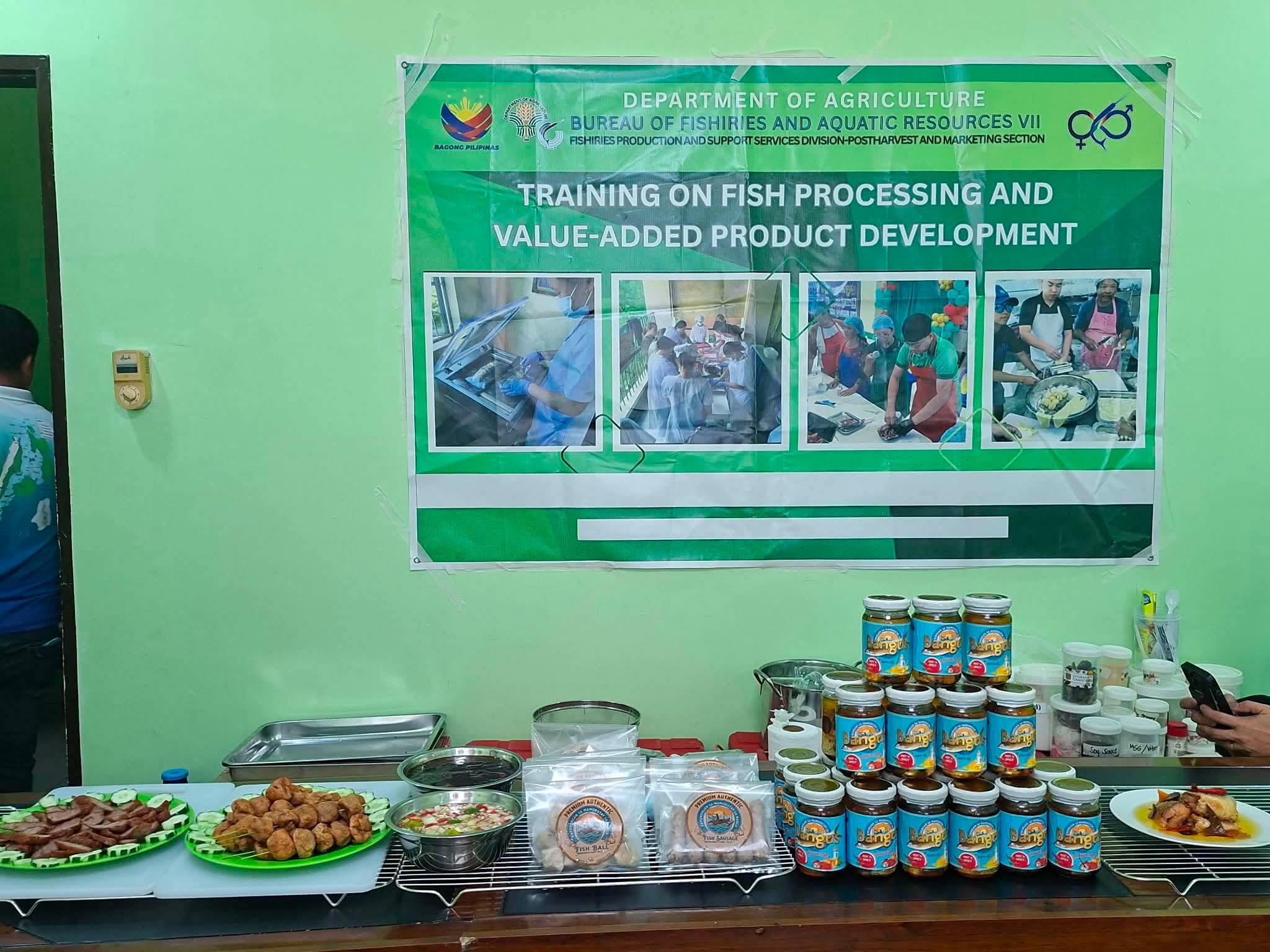
The bioproducts emerging from CrabZero have wide commercial appeal. Chitosan, derived from crab shell chitin, is used in food‑grade packaging, agricultural soil stabilizers, and medical films. Astaxanthin, a pigment in the shells, is a potent antioxidant commanding high prices in cosmetics and aquaculture feed. Bioactive peptides can be formulated into health supplements, opening another revenue stream.
The technology on display in Igbon was developed through the Department of Science and Technology’s Industrial Technology Development Institute. A crab shell washer cleans and prepares the material, while a solar tunnel dryer preserves it without fossil fuels. These machines are simple enough for community cooperatives to operate, keeping overhead low and profits local.
European Investment Fuels Local Innovation
The CrabZero initiative operates under a PHP 3.67 billion EU flagship program, with a EUR 12 million grant co‑funded by the German International Climate Initiative. EU Ambassador Massimo Santoro and GIZ Policy Lead Gwendolin Aschmann joined the field visit, signaling strong international confidence in Iloilo’s potential as a green economy hub.
During high‑level talks at the Iloilo Provincial Hall, EU representatives explored pathways to scale the technology across other municipalities. Neighboring mayors from Ajuy and San Dionisio attended, eager to replicate the model. The presence of private sector partner Saravia Blue Crab shows that industry is ready to absorb the outputs.
A Blueprint for the Blue Economy
Barangay Igbon is now a living laboratory where researchers, fisherfolk, and local officials co‑create solutions. Women have found new roles in the circular economy, operating processing equipment and managing quality control. The income they earn stays within the community, reducing the need for migration to urban centers.
The project’s success is measurable. Shell waste that once polluted the coastline now generates revenue. The community reports cleaner surroundings and fewer health issues linked to rotting organic matter. For a country that produces over 250,000 metric tons of seafood by‑products annually, the implications are staggering.