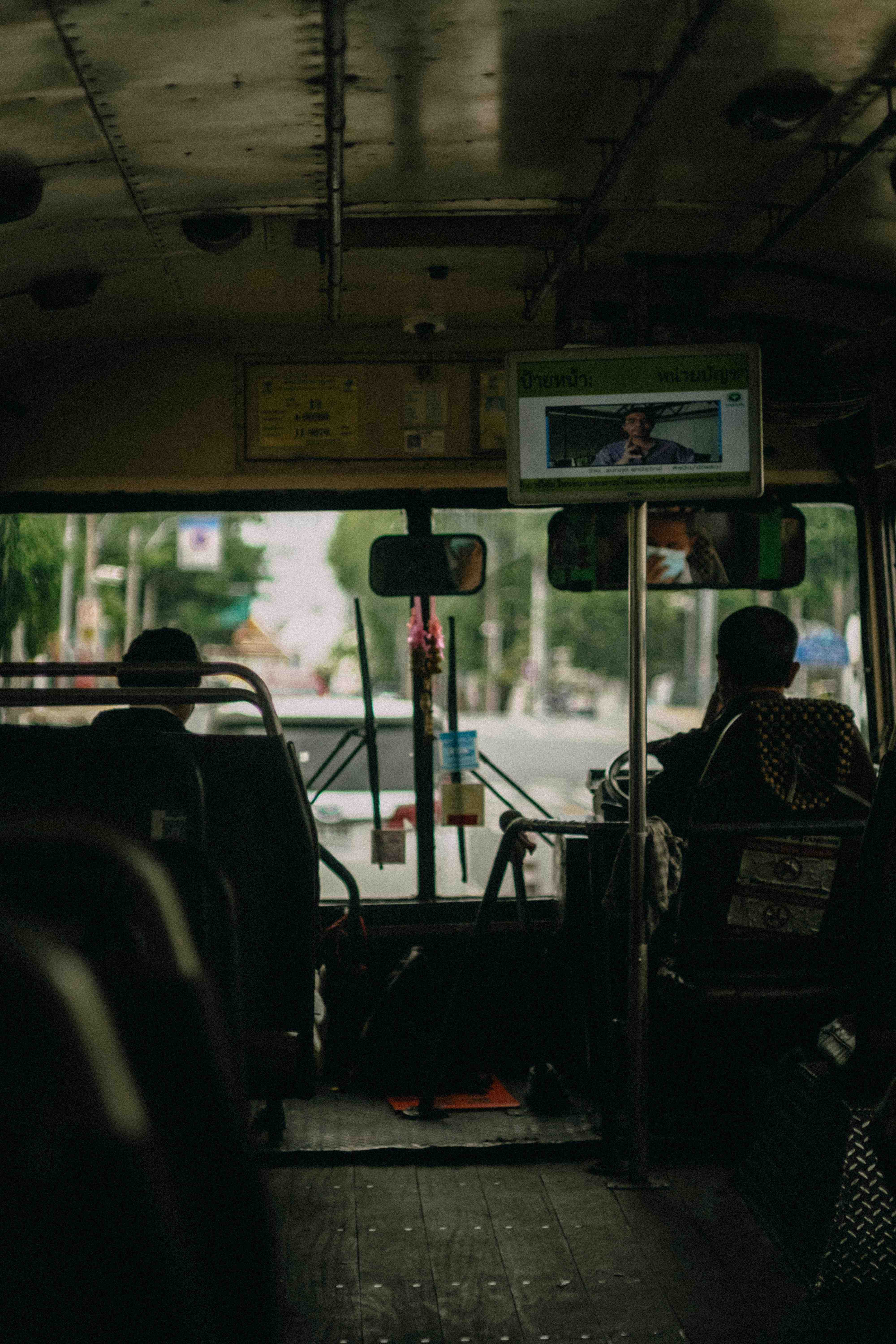
DAVAO CITY — For tourists planning a visit to the Philippines’ third-largest metropolis, getting around is about to become significantly easier. The long-awaited Davao Public Transport Modernization Project (DPTMP) — widely known as the DavaoBus — is accelerating toward completion, with transportation officials vowing to meet the 2027 deadline after years of delays. For travelers, this means a future where navigating the city’s sprawling attractions becomes as seamless as the ride itself.
A City on the Move: What Tourists Can Expect
Currently, tourists arriving at Davao International Airport often face a daunting choice: expensive taxis, unfamiliar jeepney routes, or relying on ride-hailing apps. The DavaoBus promises to change that entirely. Once operational, the system will deploy a fleet of 1,105 modern buses — including 386 electric buses, 531 Euro‑V compliant diesel buses, and 188 mini‑buses — across 29 interconnected routes spanning 672 kilometers.
For visitors, this translates to reliable, air‑conditioned, and eco‑friendly transport connecting the city’s most frequented areas: from the bustling downtown and airport to shopping hubs like SM Lanang and Abreeza, and onward to southern destinations like Toril, which serves as a gateway to the beach resorts of Samal Island.
The project also includes three strategic terminals in Bunawan, Toril, and Calinan, designed as “intermodal hubs” where passengers can seamlessly transfer between provincial buses and the modern DavaoBus fleet. This integration is a major win for tourists coming from other parts of Mindanao — whether arriving from General Santos, Cotabato, or Cagayan de Oro — as they can easily transfer to city transport without navigating confusing routes.
From the Airport to the Highlands: A Seamless Journey
The DPTMP is designed with a “trunk and feeder” model: a core rapid transit lane connecting major commercial centers, supported by feeder routes reaching inner urban areas and outer rural zones. For tourists, this means direct access to a wider range of attractions. The Calinan terminal, for instance, will handle passengers from Bukidnon, making it easier for travelers to combine a visit to the cool highlands of Davao del Sur — including the foot of Mt. Apo — with their urban itinerary.
Moreover, the system’s dedicated bus lanes, separated from regular traffic by concrete barriers along much of its length, promise travel speeds that avoid the city’s notorious congestion. This “bus rapid transit” (BRT) approach ensures that tourists spend less time stuck in traffic and more time exploring destinations like the Philippine Eagle Center, Eden Nature Park, or the vibrant night markets.
Leadership and Timelines: A Firm Commitment to 2027
After years of delays, the national government is enforcing a strict “no more delays” policy. During a recent inspection of the Calinan Depot and Driving School, Transportation Secretary Giovanni Lopez ordered contractors to implement a 24/7 construction catch‑up plan to recover a two‑month slippage. He emphasized that partial operations of the DPTMP must begin by the first quarter of 2027, with full implementation expected by late 2028 or early 2029.
President Ferdinand R. Marcos Jr. has personally directed the fast‑tracking of the project, aiming for completion before the end of his term. The city government has also pledged full cooperation, including the issuance of permits and the creation of a ₱1.5‑billion trust fund to ensure financing is in place. The project has a total budget of ₱76‑billion, mainly funded by a loan from the Asian Development Bank.
A Template for the Nation and a Boost for Tourism
Transportation officials view the DavaoBus as a model for other Philippine cities. “We want this DPTMP to be the template for other cities, and we are quite confident that it can work here in Davao,” Secretary Lopez stated.
For the tourism sector, this modern transport system is a game‑changer. By offering a reliable, safe, and efficient alternative to private vehicles, the DavaoBus will empower more independent travelers to explore the city at their own pace. It aligns with ongoing infrastructure projects — the Davao City Coastal Road, the Samal Island‑Davao Connector Bridge, and the Davao International Airport expansion — all working in concert to establish Davao as a premier, connected destination in Mindanao.
As construction crews work round‑the‑clock to meet the 2027 deadline, the message for tourists is clear: your next visit to Davao City may be the one where you leave the traffic worries behind.