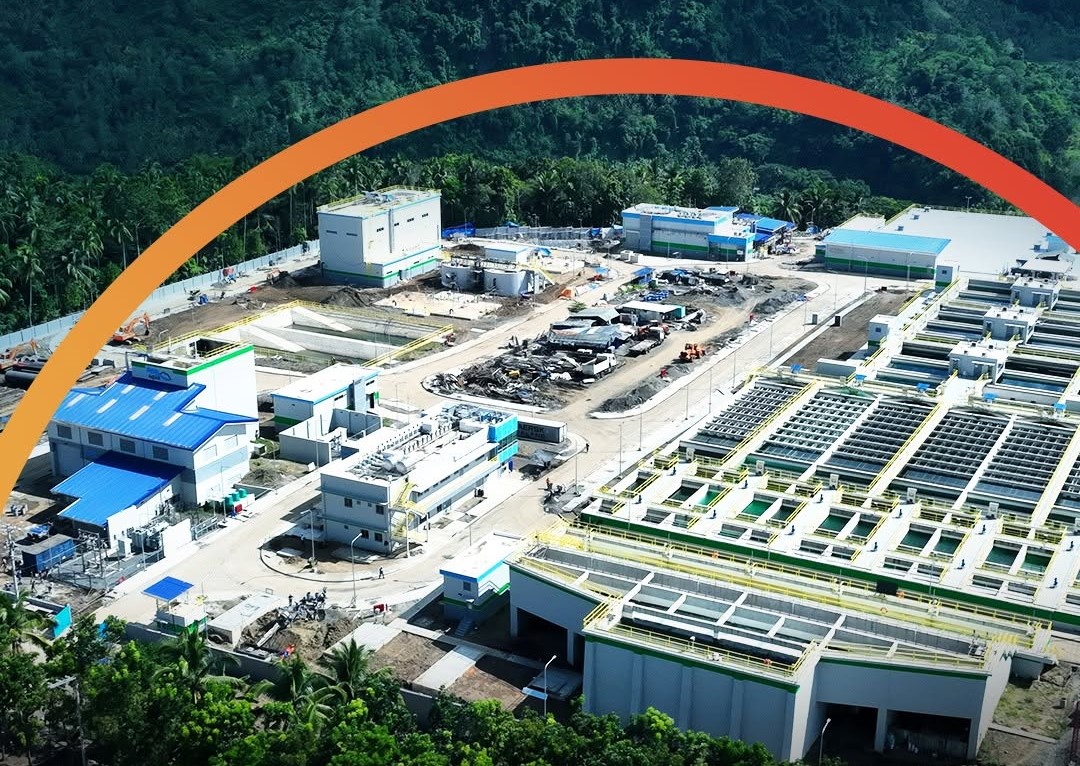
DAVAO CITY — A Davao water project that now delivers 300 million liters of safe, potable water daily to more than one million residents has been hailed as a national model for public‑private partnerships. The Davao City Bulk Water Supply Project, a collaboration between Aboitiz InfraCapital Water subsidiary Apo Agua and the Davao City Water District, was featured at the Cebu Investment and Entrepreneurship Summit on June 4. The summit, held at Radisson Blu Hotel in Cebu City, formed part of Cebu Business Month 2026.
During his plenary speech, AIC Vice President and Head of Water Business Eduardo "Dudes" Aboitiz presented the DCBWSP as a blueprint for strengthening water security through PPPs. He underscored how reliable water access has transformed daily life for ordinary Dabawenyos. "Sari‑sari store owners say they can now grow their businesses without relying on expensive water deliveries or spending time fetching water from communal sources," Aboitiz said.
An Economic Engine Powered by Water
Beyond convenience, the DCBWSP has become a measurable economic engine. An independent study by Ateneo de Davao University found the project generated more than P15.5 billion in investments in Davao City. It also contributed P1.1 billion in gross revenue and economic output to the city in 2024 alone. These figures demonstrate that water infrastructure is not merely a utility but a catalyst for business growth and housing development.
The project supports DCWD's conjunctive use strategy, which combines surface water from Apo Agua with existing groundwater sources. This approach improves supply reliability and provides critical backup during periods of high demand. It becomes especially vital during El Niño, when prolonged dry conditions can trigger water shortages across Mindanao. Aboitiz framed the DCBWSP as a replicable solution for other Philippine cities facing similar water security challenges.
A Blueprint for Cebu and Beyond
Aboitiz used the Davao example to make a broader case for PPPs. "Building Cebu's water security cannot be done overnight. It requires long‑term planning and foresight. To achieve this, we should continue embracing PPPs as a framework to develop critical infrastructure and attract investment," he told the summit audience. The event, organized by the Cebu Chamber of Commerce and Industry, gathered investors, business leaders, and MSMEs.
The DCBWSP's recognition at the Cebu summit signals growing confidence in the PPP model as a driver of infrastructure development. For Davao City, the project has already proven its worth in both operational reliability and economic returns. As other cities grapple with water scarcity and aging infrastructure, the Davao model offers a tested, scalable path forward.