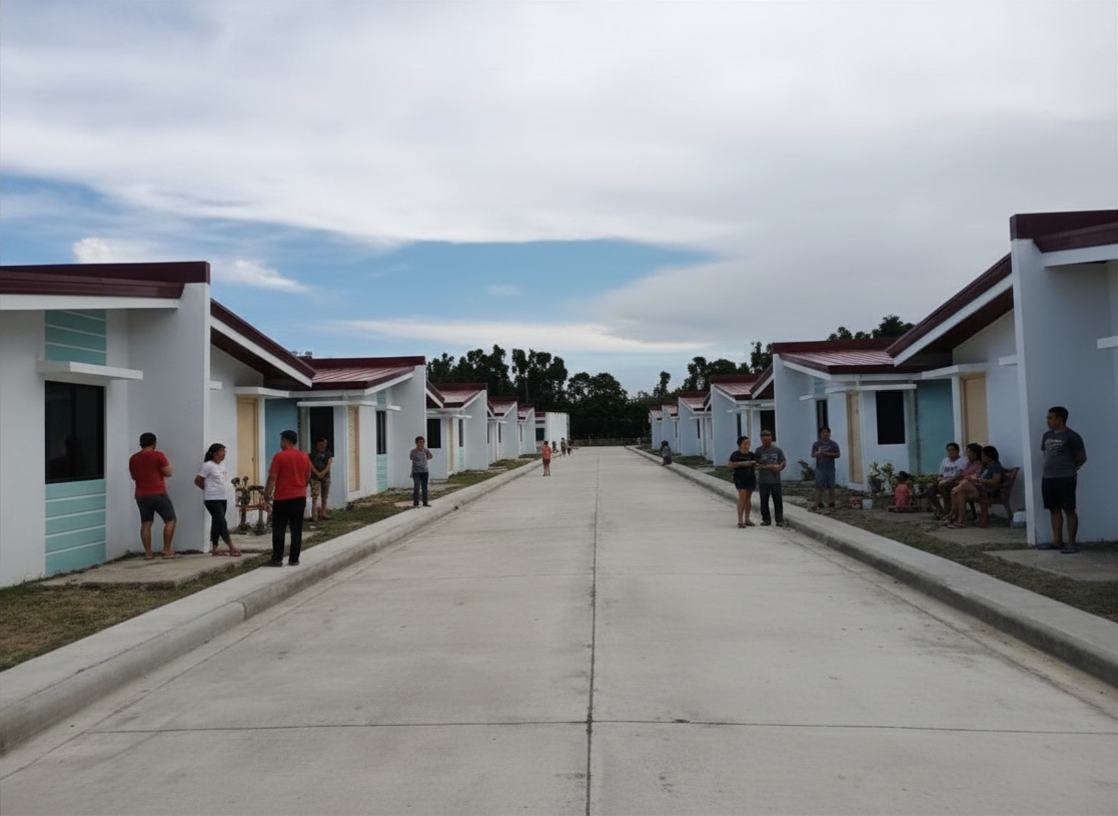
Young Professionals Prefer Accessibility
Many renters now prioritize proximity to workplaces, transportation routes, cafés, and commercial areas instead of choosing larger homes farther from city activity. Smaller living spaces often provide easier maintenance and lower utility expenses as well. Housing preferences continue shifting alongside lifestyle and work routines. Convenience increasingly shapes residential decisions strongly. Urban living habits are becoming more flexible overall.
Compact Housing Encourages Practical Spending
For many residents, smaller units allow better financial balance between housing, transportation, savings, and leisure expenses. Practical budgeting continues influencing rental choices among younger age groups. Housing decisions now involve lifestyle management as much as property size itself. Affordability remains one of the strongest factors affecting urban living arrangements. Residents are becoming more intentional about long-term financial sustainability.
Developers Are Responding to Lifestyle Changes
Residential developments increasingly include amenities like shared workspaces, internet access, and accessible commercial areas to match modern living expectations. Housing markets continue adapting to residents who value functionality and accessibility over large floor areas alone. In General Santos, urban housing culture is gradually evolving alongside changing consumer habits. Residential demand increasingly reflects how people actually live day to day. Housing trends continue becoming more lifestyle-oriented.