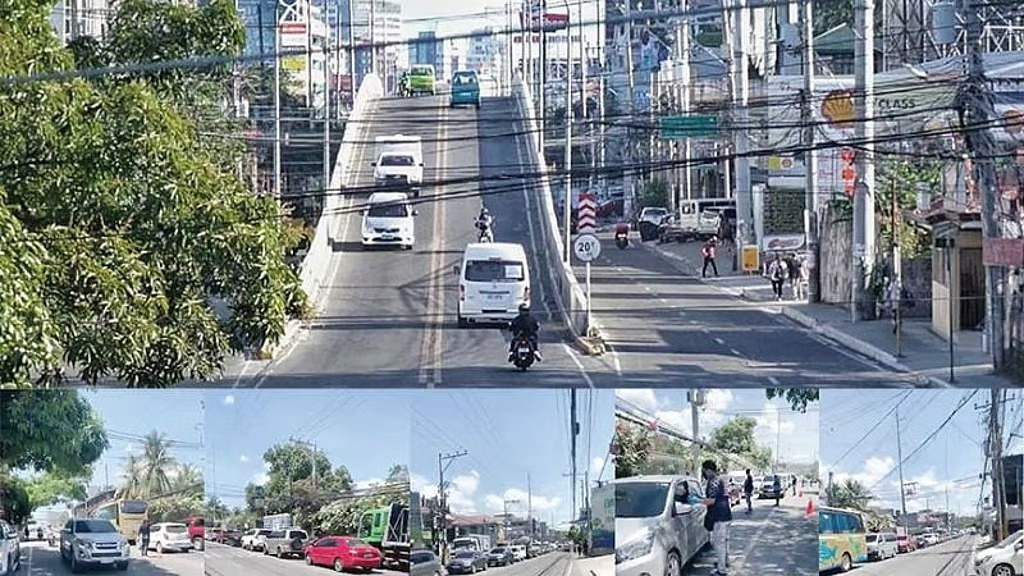
Cebu — The city has officially launched the construction phase of the long-awaited BanTal road widening project, a critical move to alleviate the notorious traffic gridlock in the northern corridor. Spanning from Talamban to Bacayan, this multi-phase development aims to expand the current 15-meter thoroughfare into a modern four-lane highway complete with proper drainage and sidewalks. City officials, led by Mayor Nestor Archival and Councilor Alvin Arcilla, conducted site inspections on June 24 and 25 to ensure that the project—which had been stalled for over a decade—remains on track for its December 2026 completion target. This expansion is a significant step toward improving the daily commute for thousands of residents living in the numerous subdivisions and schools that line this busy route.
Clearing the Path for Progress
The project is currently impacting around 320 structures, including both businesses and residential properties, as the city works to secure the necessary right-of-way. Officials are actively managing the acquisition process for approximately 30 house-and-lot properties, while simultaneously clearing street obstructions like abandoned vehicles to prevent construction delays. Despite the logistical challenges and the doubling of land values in the area, the city government is prioritizing the project to ensure that the expansion can eventually stretch toward Sitio Pitos. The active enforcement of road-clearing measures demonstrates a firm commitment to finishing the project within the current administration’s timeline.
Balancing Growth with Efficiency
Beyond just adding lanes, the project integrates crucial flood control systems and pedestrian-friendly walkways to improve the overall quality of life for the Talamban community. By addressing both traffic and drainage, the city is tackling two of the most pressing urban concerns in one comprehensive engineering effort. This balanced approach is expected to enhance property accessibility and potentially stabilize the local business environment that has long struggled with transport-related bottlenecks. It is a practical example of how infrastructure investment can directly improve the daily experience of urban dwellers.
A Commitment to Future-Proofing
This development marks a shift in how the city manages its growth, moving away from past delays toward a more aggressive, goal-oriented implementation strategy. By securing funding from the Department of Public Works and Highways, the government has provided the necessary resources to finally turn a long-planned concept into reality. Local leaders have emphasized that the expansion is not just about today’s traffic, but about preparing the northern corridor for the inevitable increase in population and commercial activity. The project’s progress is a positive signal for residents who have waited years to see the area's transport infrastructure catch up with its rapid expansion.