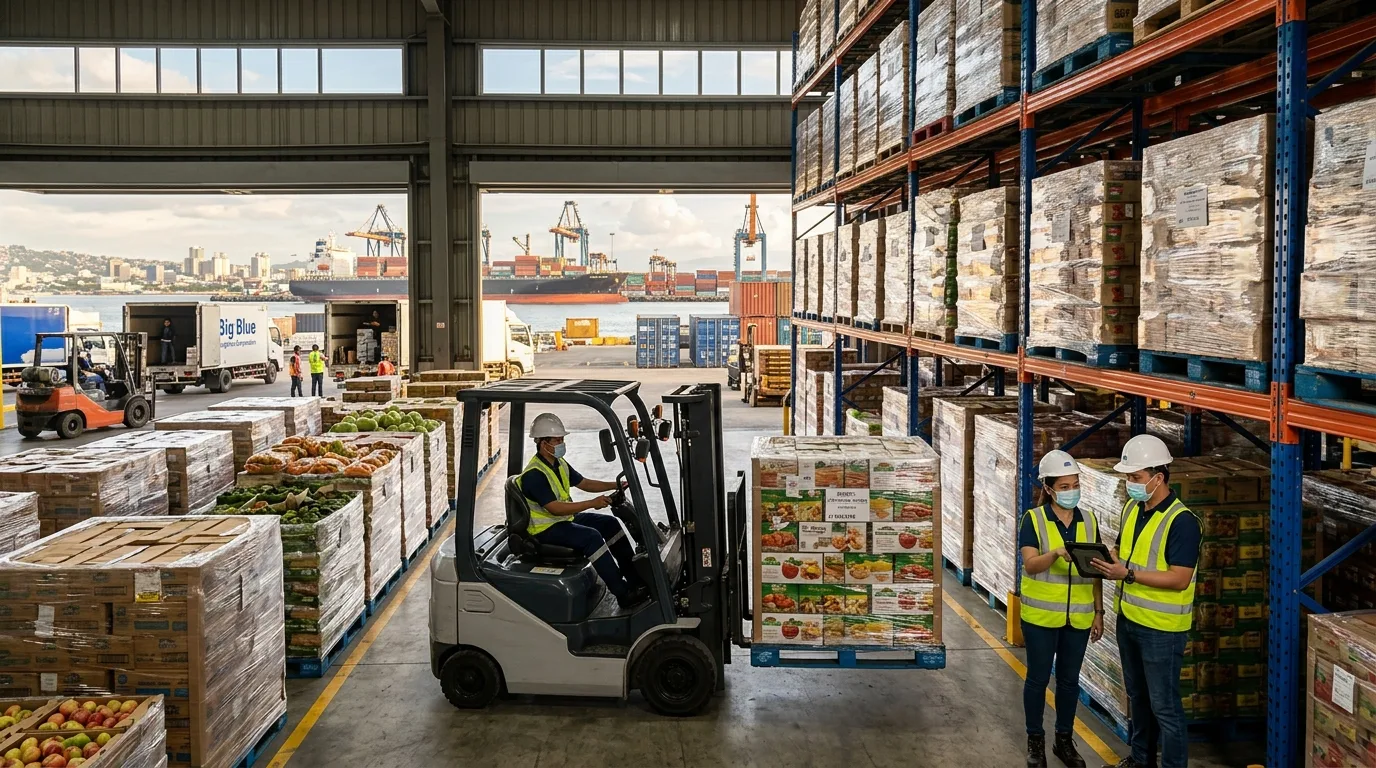
Cebu — The city is rapidly ascending as a premier logistics and warehousing hub in the Philippines, but local industry executives are raising alarms about critical infrastructure deficits. A recent visit by Bureau of Customs (BOC)-Port of Cebu officials to Big Blue Logistics Corporation highlighted the vital role of these facilities in securing food supply chains across the Visayas and Mindanao. While the region’s growth is outpacing expectations, stakeholders emphasize that unless the government accelerates investments in transport networks, these bottlenecks could threaten Cebu's competitive edge. The expansion of e-commerce, manufacturing, and retail sectors continues to demand a more efficient trade environment to sustain long-term economic prosperity.
Bottlenecks in a Growing Market
The logistics boom is currently testing the limits of Cebu’s existing transport and trade facilities. As businesses scale their operations to meet regional demand, the pressure on cold storage and trucking networks has become increasingly apparent. Executives argue that without modernized road connectivity and improved port efficiency, the cost of moving goods will continue to rise, impacting both consumers and businesses. This situation calls for a strategic partnership between private industry and the public sector to modernize the flow of commerce.
Innovation as the Key to Trade
Innovation remains a primary driver for the companies operating in this space, with major players investing heavily in technology to optimize their supply chains. The BOC’s engagement with industry leaders demonstrates a shared commitment to fostering an environment where trade can thrive. By focusing on digitalization and improved customs processes, the region aims to simplify how goods enter and exit its hubs. This collaborative effort is essential for maintaining Cebu’s position as a central pillar in the nation’s supply network.
Strategic Investment for the Future
Addressing infrastructure gaps is not just about today's demand but about securing Cebu’s future as a trade powerhouse. Long-term investments in cold storage and multi-modal transport facilities are being highlighted as the most effective ways to ensure food security and economic stability. By proactively tackling these issues, the government can help local firms remain resilient against potential supply chain disruptions. As the region continues its growth trajectory, these infrastructure upgrades will be the decisive factor in sustaining its reputation as a reliable and efficient logistics base.