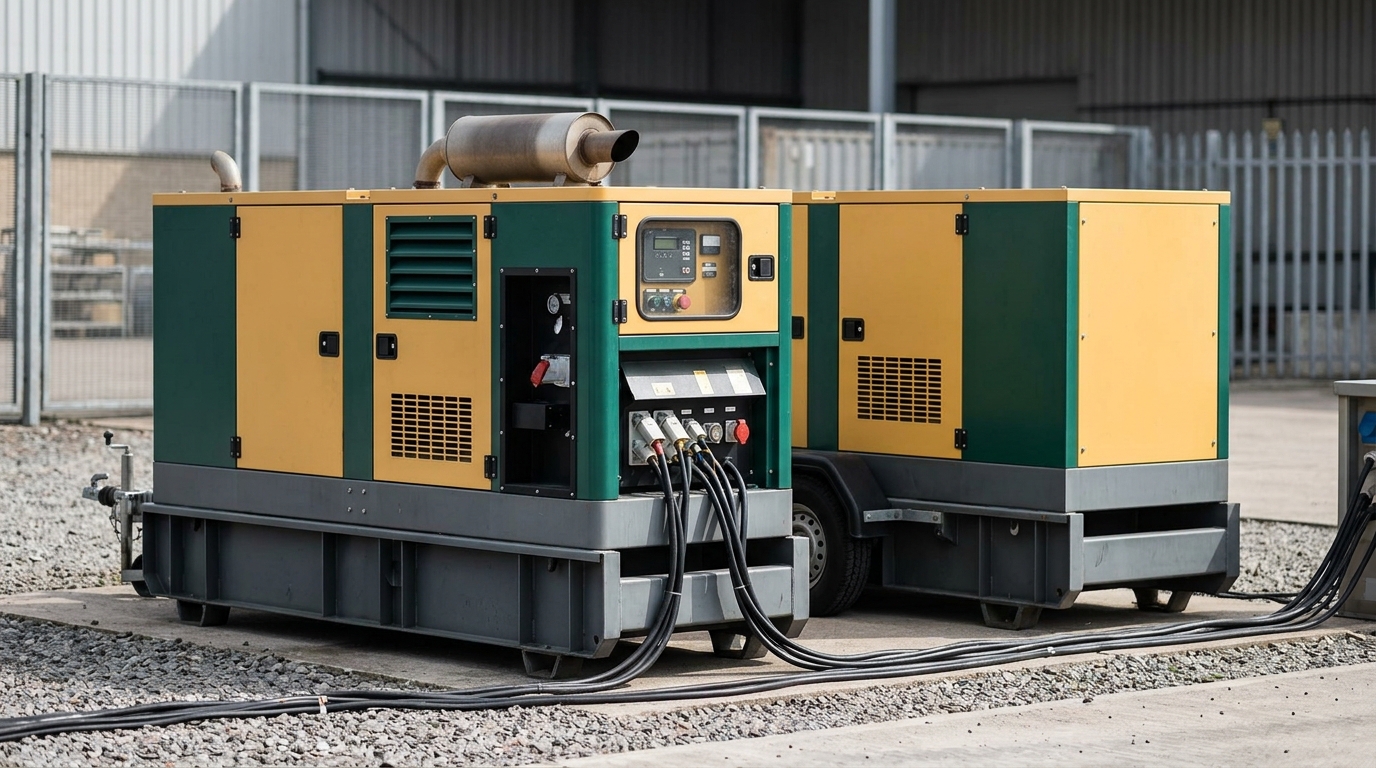
As severe energy strains plunge the Visayas Grid into emergency "Red Alert" status, the Metropolitan Cebu Water District (MCWD) has launched a massive contingency operation to prevent widespread dry taps. Public utility officials have strategically positioned 50 heavy-duty generator sets across critical pumping stations to shield consumers from localized, one-hour rotational brownouts implemented by Visayan Electric. Because water distribution relies completely on massive electric pumps to draw from deep wells and low-lying extraction zones, any power grid failure instantly collapses pipeline pressure. This high-stakes deployment ensures that water continues flowing through the metropolis, even as a scorching El Niño summer pushes both the power and water grids to their absolute breaking points this May 2026.
A Massive 56 Percent Supply Deficit
The scramble for emergency power generators highlights a much deeper, structural water crisis currently gripping Metro Cebu. Official data reveals that total daily water demand across the concession area has skyrocketed to 600,000 cubic meters, yet average daily production has withered to just 264,000 cubic meters. This leaves the sprawling metropolitan area operating at an alarming 56 percent supply deficit even under ideal conditions with a fully stable power grid. The situation is further aggravated by declining natural water tables, with major extraction facilities like the Jaclupan site in Talisay City seeing daily yields drop from 25,000 down to 21,000 cubic meters due to prolonged summer heat.
Desalination Shields and Absorbed Costs
To bridge this massive, climate-induced supply gap, MCWD General Manager John Dx Lapid confirmed that the water district is tapping expensive backup alternatives, such as importing supply from northern networks and activating desalinated water from the Opao facility in Mandaue City. While turning seawater into drinking water is highly energy-intensive and financially taxing, management has committed to absorbing the operational losses without raising prices for consumers during the crunch. At the same time, technical teams have intensified surveillance around city fire hydrants after uncovering rampant water theft totaling 140 cubic meters in a single month. In a system already running at half capacity, authorities warn that these minor illegal taps act like open wounds, robbing vital pipeline pressure from surrounding neighborhoods.