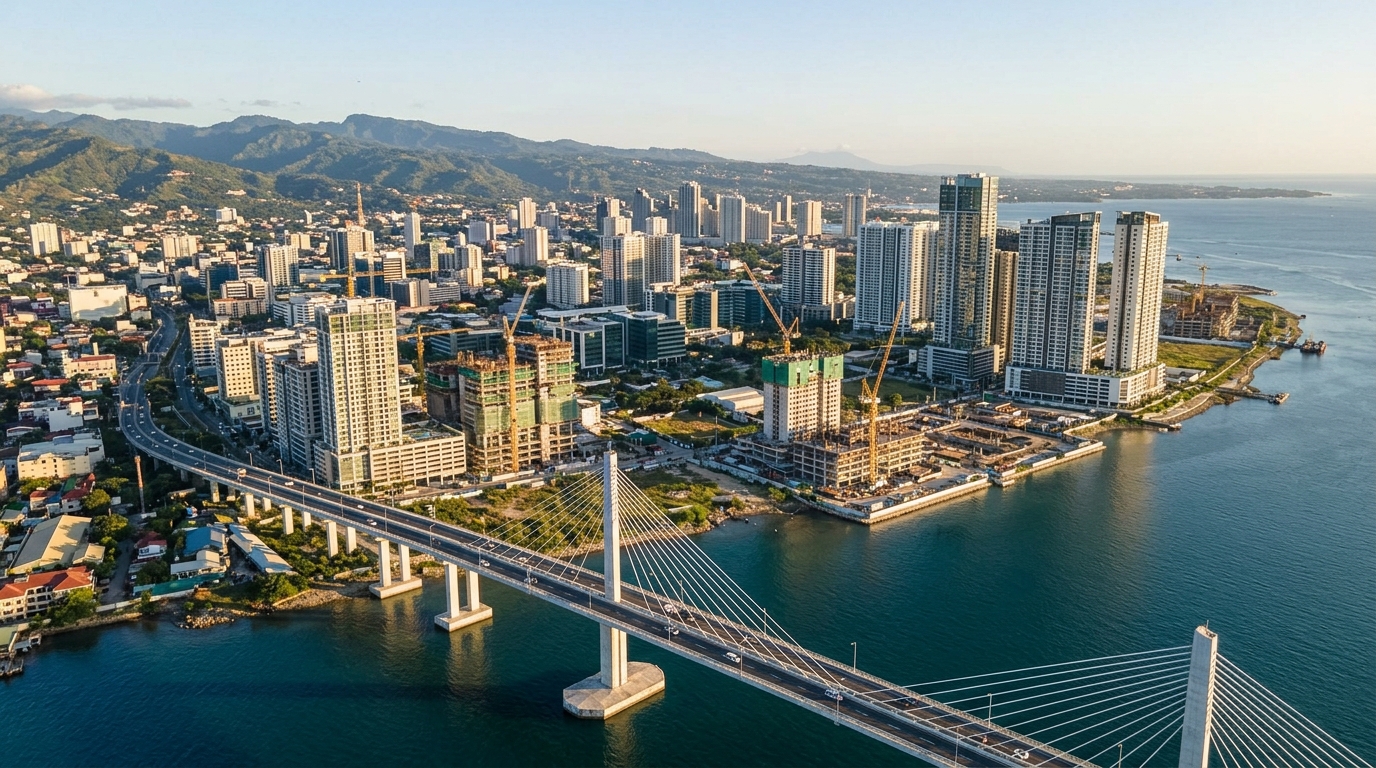
While the broader Philippine housing market signals a slowdown, Metro Cebu has emerged as a resilient "bright spot," outperforming other regions outside Metro Manila with a 7% year-on-year price surge as of late March 2026.
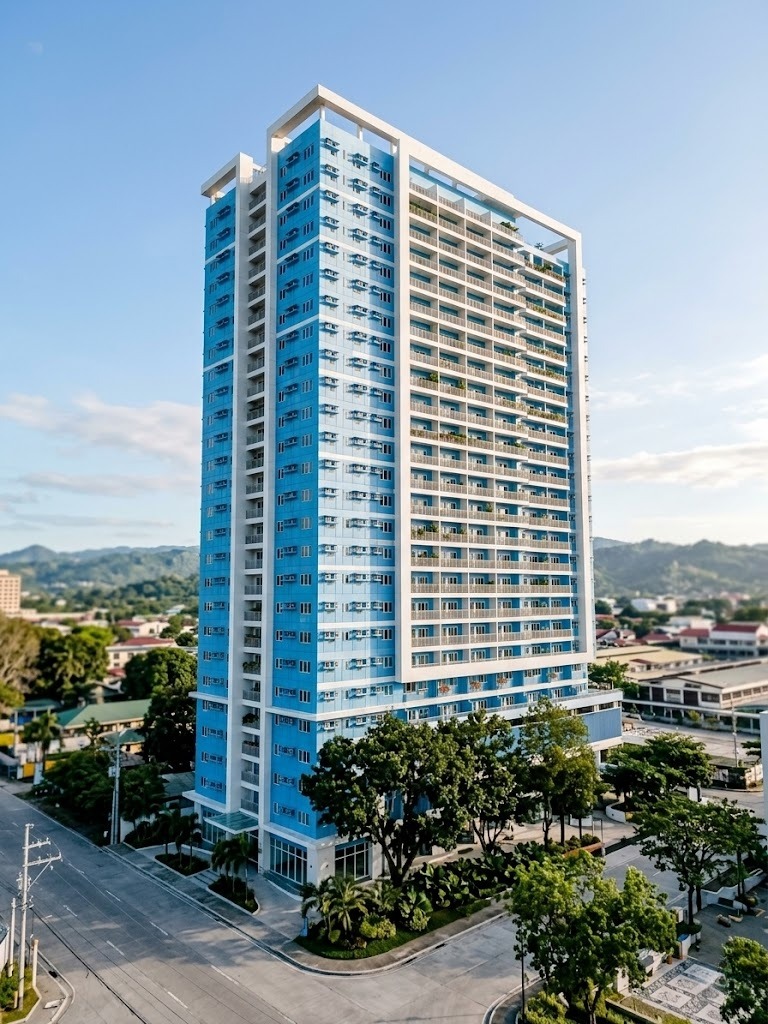
The Cebu real estate market is officially "decoupling" from the national trend of cautious cooling. According to the latest Bangko Sentral ng Pilipinas (BSP) residential property price index, Metro Cebu recorded a 7% year-on-year increase in housing prices, a sharp contrast to the 1.4% decline seen in Metro Mindanao and the 7% contraction in other provincial areas. This growth is being steered by the condominium sector, which remains the primary driver of value appreciation as professionals and investors continue to prioritize proximity to the Cebu Business Park and IT Park. Despite tighter nationwide credit standards, Cebu's market resilience is being fueled by a robust pipeline of high-end projects and a steady influx of returning Overseas Filipino Workers (OFWs) looking for stable assets.
Adding to the week's momentum, the Cebu City Government has officially extended its Real Property Tax (RPT) Amnesty program until July 5, 2026. Under the advisory signed by City Treasurer OIC Emma Villarete, property owners can settle delinquent taxes from 2024 and earlier without facing the usual mountain of penalties, surcharges, or interest. This extension, mandated by Republic Act No. 12001, is a strategic move to boost city revenue while providing financial relief to landowners amidst recalibrated property valuations. For investors, this creates a "golden window" to clear titles and settle obligations before the city transitions to a new, unified market-based valuation system scheduled for public consultation this week.
On the development front, "mixed-use" remains the 2026 keyword for the Queen City. Major construction activities have been spotted around the Banilad and South Road Properties (SRP) areas, with high-profile projects like the Seaside Residences and the 50-story Shangrila Bauhinia pushing the boundaries of luxury vertical living. These developments are benefiting significantly from the "infrastructure dividend" provided by the Cebu-Cordova Link Expressway (CCLEX) and the ongoing Cebu Bus Rapid Transit (BRT) system, which have dramatically improved accessibility to Mactan and the Southern corridors. As rental yields in prime districts now range between 5% to 8%, Cebu continues to offer a more lucrative and affordable alternative to the oversaturated markets of Metro Manila.