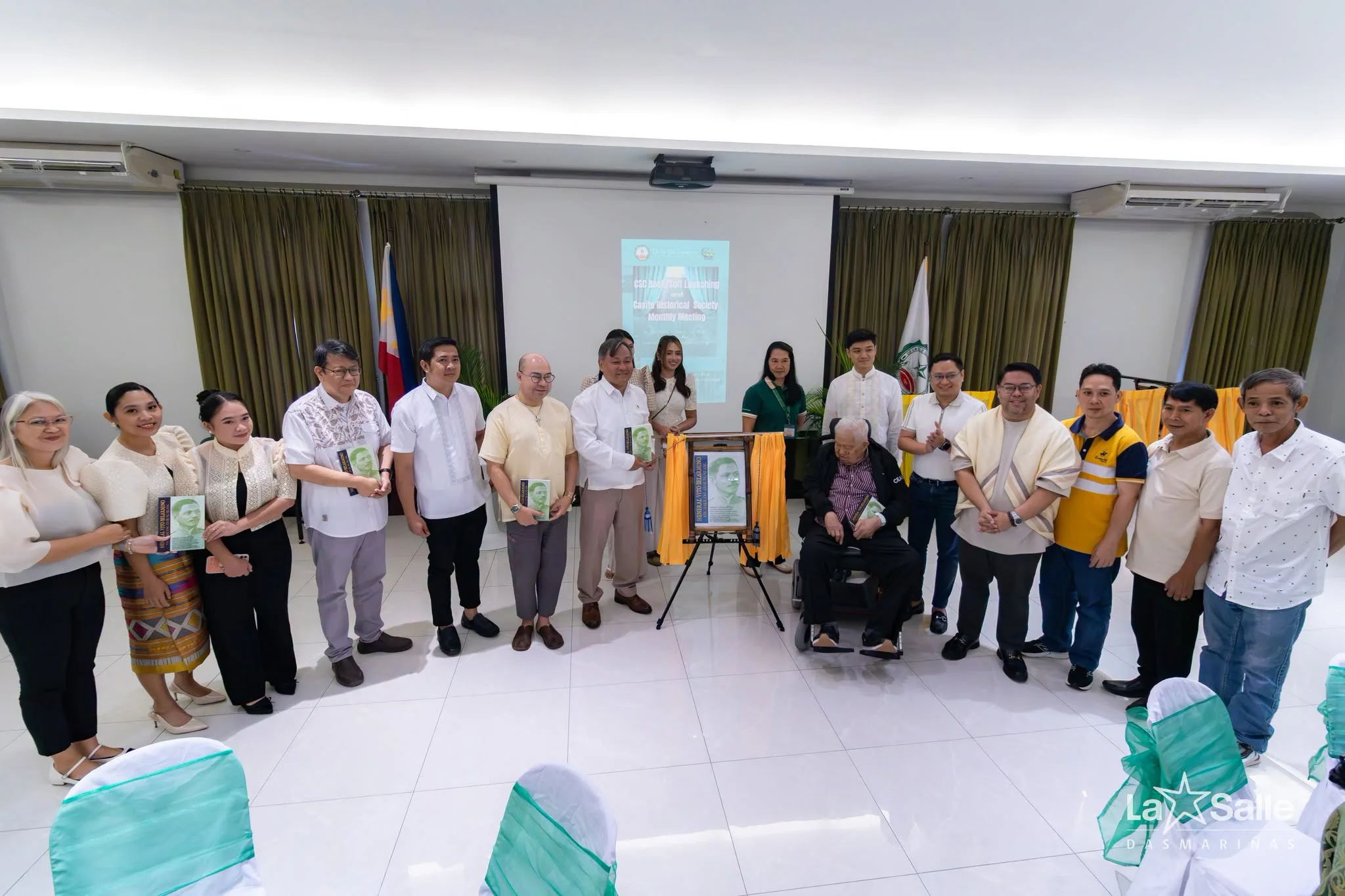
DASMARIÑAS CITY, Cavite — The Cavite Studies Center (CSC) and the Cavite Historical Society gathered historians, scholars, and local leaders at De La Salle University–Dasmariñas to launch five new publications on Cavite’s rich history. The event held at the Ayuntamiento de Gonzales reception hall celebrated fresh scholarship and the enduring effort to preserve the province’s heritage.
A Gathering of History Keepers
The meeting drew prominent figures including former Philippine Prime Minister Cesar Virata, chairman emeritus of the Cavite Historical Society. His presence underscored the importance of passing on historical knowledge across generations. Dr. Emmanuel F. Calairo, the society’s chairman and former head of the National Historical Commission, also joined the celebration.
DLSU-D Provost Dr. Christian George C. Francisco welcomed the attendees to the university, emphasizing the institution’s role as a hub for Cavite studies. Mr. Philip N.A.L. Medina, president of the Silang Historical Society, delivered a lecture on the critical role of the Cavite Studies Center in safeguarding archival records. His talk reminded everyone that without dedicated centers, local stories risk being lost forever.
Five New Works Unveiled
The highlight of the program was the launch of five books covering different dimensions of Cavite’s past. The collection includes a biography of General Vito Belarmino, a revolutionary figure from Silang, compiled by the Silang Historical Society. Another volume examines the province’s experience during the Second World War, capturing the struggles and resilience of Kabitenyos from 1941 to 1945.
A political economy study explores the industrialization era of the 1980s and 1990s, shedding light on Cavite’s transformation into an economic powerhouse. A photographic administrative history provides a visual journey through the province’s governance milestones. A fifth book, titled Riles ng Kasaysayan, adds to the narrative of Cavite’s development.
Stories of Heroes, War, and Progress
Each publication represents years of meticulous research supported by local government units, academic institutions, and university grants. The biography of General Belarmino aims to bring a lesser‑known hero into the public consciousness, giving the young generation a local icon to admire. The wartime chronicle ensures that the sacrifices of ordinary Caviteños are never forgotten.
The industrial development study offers valuable lessons for today’s planners, showing how Cavite balanced growth with social change. The photographic administrative history captures the faces and places behind the province’s political evolution. Together, the books form a comprehensive portrait of Cavite’s multifaceted identity.
Strengthening Local Historical Scholarship
The Cavite Studies Center continues to serve as the engine behind many of these research initiatives. Its partnership with the Cavite Historical Society creates a powerful network of scholars dedicated to unearthing hidden narratives. The launch event showcased how collaborative efforts produce works that are both academically rigorous and accessible to the public.
Local government units have been instrumental in funding and supporting these publications, recognizing that a well‑documented history strengthens community pride. The university setting of DLSU‑Dasmariñas provides a fertile environment for research and dialogue. As the books become available in libraries and schools, they will inspire a new generation to value their cultural heritage.
Preserving Heritage for Future Generations
The five books serve as more than just academic references; they are gifts to the people of Cavite. Each page carries the voices of ancestors, the struggles of communities, and the triumphs of a province that played a pivotal role in the nation’s story. The Cavite Studies Center and its partners have ensured that these voices will continue to be heard.
The event concluded with a shared commitment to continue the work of historical preservation. With the support of scholars, local governments, and the community, Cavite’s rich heritage will remain alive not only in archives but also in the hearts of its people.