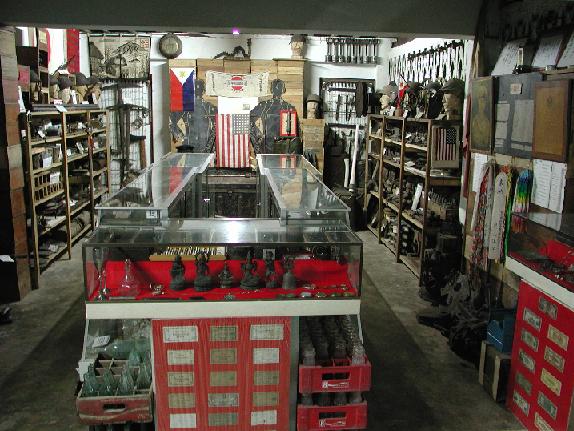
Located in Valencia, Negros Oriental, just a short drive from Dumaguete City, the Cata-al World War II Museum is one of the most unique historical attractions in the region. More than a traditional museum, it is a privately curated collection built from decades of war relic gathering by a local family. The museum offers visitors a deeply personal look into the events of World War II that shaped Negros Island and its surrounding communities. Unlike modern museum spaces, Cata-al Museum is set within a residential property, giving it an intimate and immersive atmosphere that brings history closer to visitors.
A Vast Collection of World War II Artifacts
The museum houses hundreds of wartime artifacts collected over many years, including weapons, uniforms, helmets, medals, letters, and personal belongings of soldiers. These items reflect the experiences of Filipino, American, and Japanese forces during the war. Many of the exhibits were recovered from battle sites around Mount Talinis and nearby areas in Negros Oriental, making the collection historically significant to the province. The variety of artifacts provides visitors with a detailed understanding of military life during one of the most intense periods in Philippine history.
A Personal Story Behind the Museum
What makes the Cata-al Museum unique is its origin. It was established through the efforts of a father-and-son duo, who dedicated their lives to preserving wartime history. Their passion for collecting and documenting relics turned their home into a living museum. This personal connection adds emotional depth to the experience, as many items are accompanied by stories shared by the collectors themselves. Visitors are not just observing artifacts—they are hearing lived memories and historical accounts passed down through generations.
An Educational Experience for Visitors
The museum serves as an educational destination for students, history enthusiasts, and tourists interested in World War II. It provides insight into the impact of war on local communities in Negros Oriental, highlighting both the struggles and resilience of people during that time. Visitors often gain a deeper appreciation of Philippine wartime history through the detailed displays and storytelling approach used in the museum.