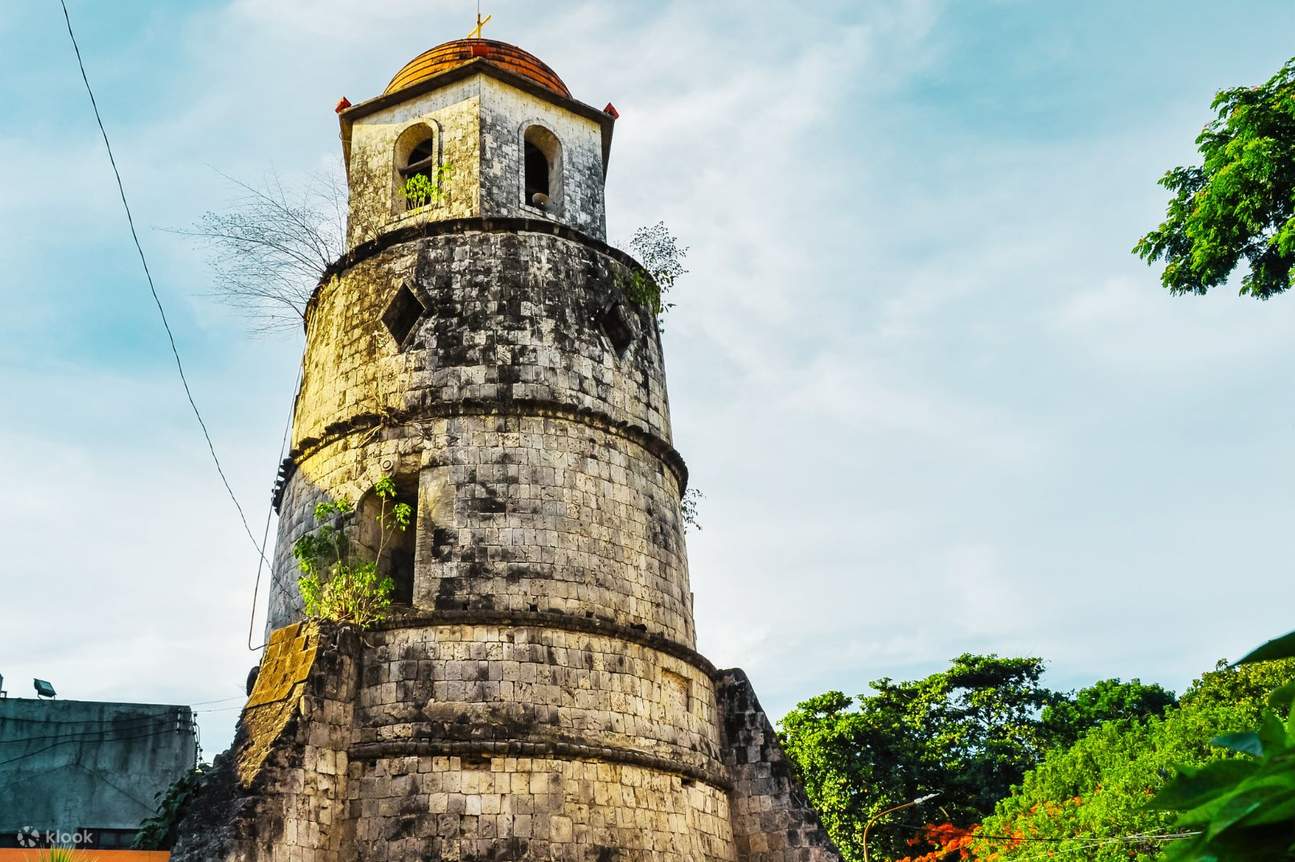
Among the many historical attractions in Dumaguete City, the Campanario de Dumaguete remains one of the most iconic and recognizable landmarks. Standing proudly beside St. Catherine of Alexandria Cathedral in the heart of the city, this centuries-old bell tower serves as a reminder of Dumaguete's rich cultural heritage and colonial past. As one of the oldest surviving structures in Negros Oriental, the Campanario continues to attract tourists, historians, and photographers who wish to explore the city's fascinating history.
The Historical Significance of the Campanario
The Campanario de Dumaguete was built in the early nineteenth century during the Spanish colonial period. At that time, coastal communities in the Philippines frequently faced threats from Moro pirate raids. To protect the town and its residents, Spanish authorities constructed watchtowers in strategic locations, including Dumaguete. The bell tower served not only as a religious structure but also as a watchtower where guards could monitor the coastline and warn residents of approaching dangers. This dual purpose made the Campanario an essential part of the town's defense system and daily life.
A Symbol of Faith and Community
Located beside St. Catherine of Alexandria Cathedral, the Campanario has long been associated with the religious life of Dumaguete's residents. The ringing of its bells once signaled important community events, religious celebrations, and emergencies.
For generations, the tower has witnessed countless baptisms, weddings, festivals, and religious ceremonies. Today, it remains an important symbol of faith and unity for the people of Dumaguete.
Architectural Beauty and Design
The Campanario showcases traditional Spanish colonial architecture. Built primarily from coral stones and other durable materials, the structure has withstood the challenges of time, weather, and natural disasters.