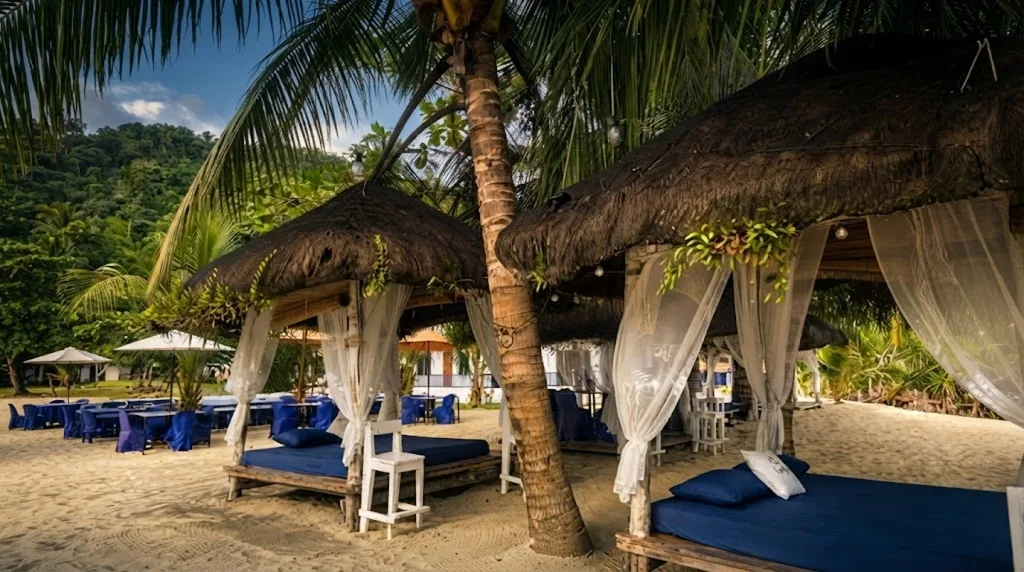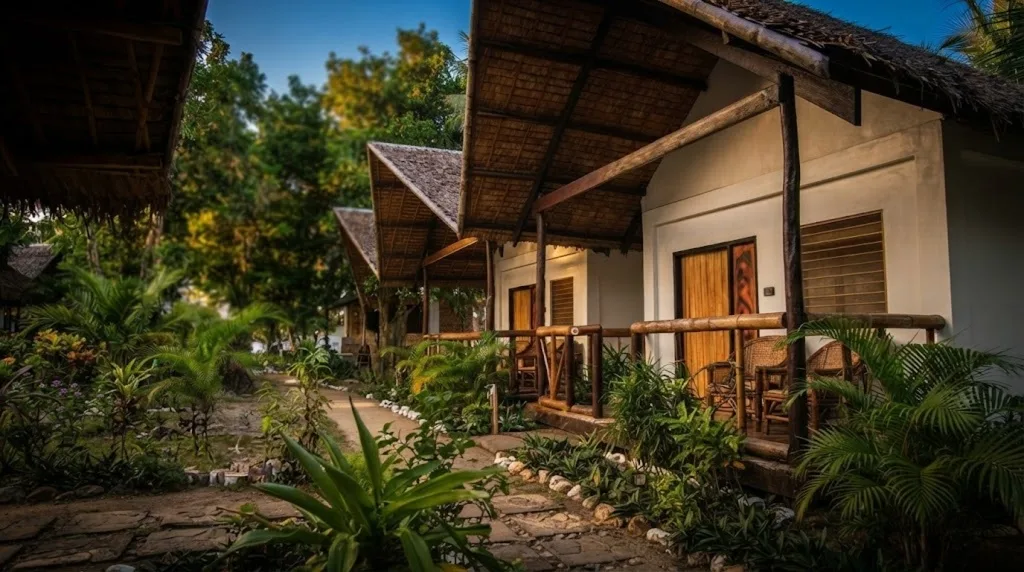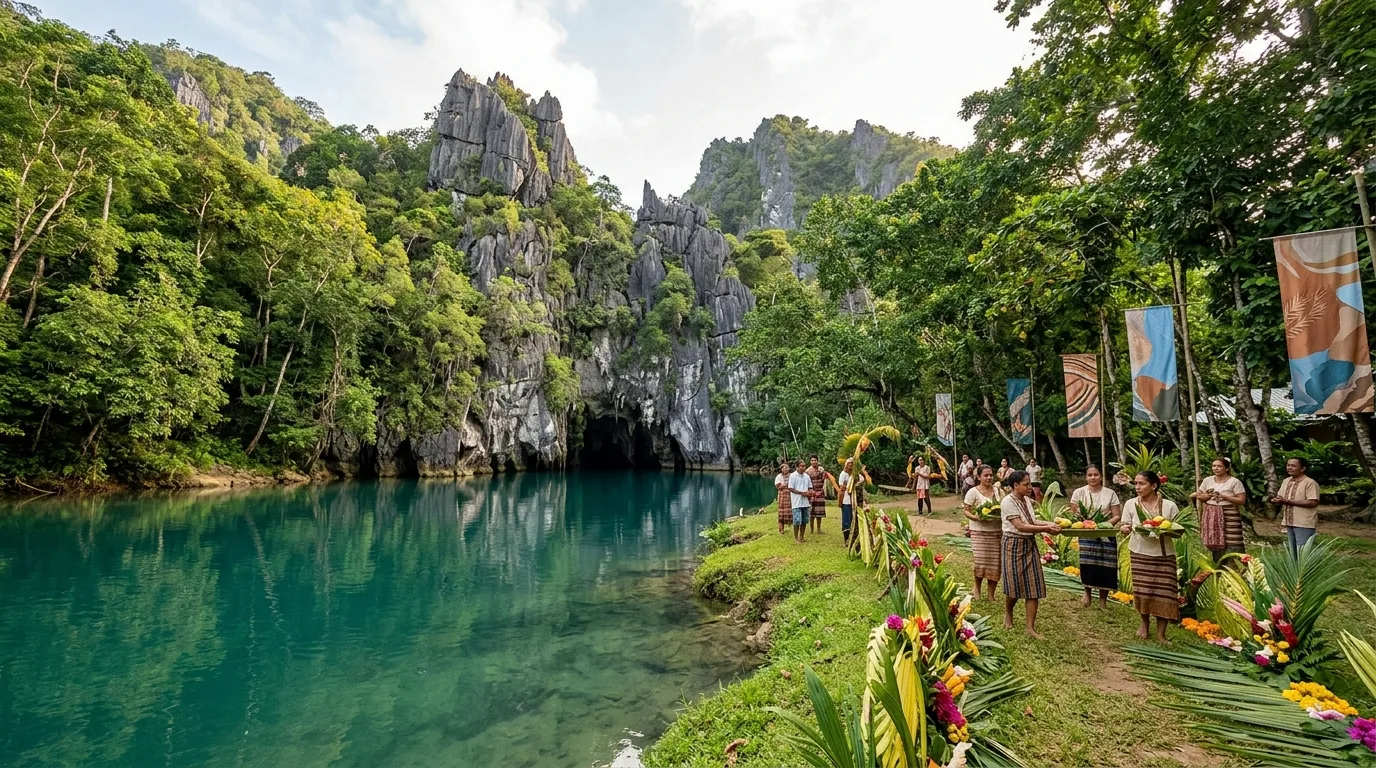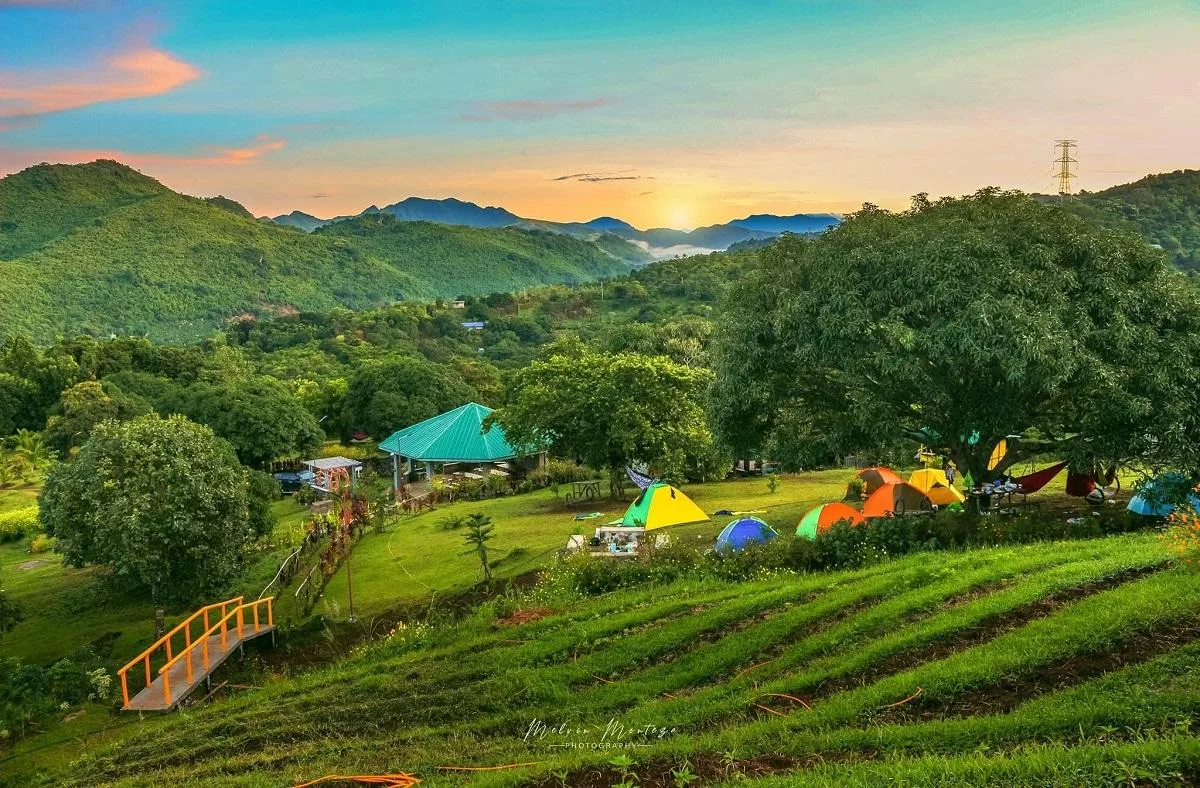
Negros Oriental is known for its rich natural landscapes, making it an ideal destination for outdoor adventures and ecotourism. Among its emerging attractions is Cabugan Adventure Camp, located in the municipality of Valencia. Surrounded by lush greenery and a cool mountain environment, the camp offers visitors a variety of recreational activities that allow them to experience nature while enjoying adventure and relaxation. Its peaceful setting and outdoor facilities have made it a popular destination for families, students, adventure seekers, and nature enthusiasts, contributing to the province's growing outdoor recreation tourism industry.
Promoting Outdoor Recreation Tourism
Outdoor recreation tourism encourages visitors to participate in activities that combine adventure, leisure, and appreciation of the natural environment. Cabugan Adventure Camp promotes this form of tourism by providing opportunities for camping, trekking, sightseeing, team-building activities, and outdoor gatherings. These experiences allow visitors to enjoy the beauty of Negros Oriental's highland landscapes while promoting physical activity and environmental awareness. The camp offers an enjoyable alternative to urban entertainment by encouraging people to reconnect with nature.
Supporting Sustainable Tourism
The success of Cabugan Adventure Camp highlights the importance of responsible tourism practices that protect the surrounding environment. Visitors are encouraged to observe proper waste disposal, respect local wildlife, and help preserve the natural beauty of the area. Sustainable management of the camp ensures that its forests, trails, and recreational facilities remain clean, safe, and accessible for future visitors. Environmental conservation efforts also strengthen awareness of the importance of protecting the province's natural resources.
Strengthening the Local Economy
Outdoor tourism creates valuable economic opportunities for nearby communities. Visitors traveling to Cabugan Adventure Camp contribute to local businesses by purchasing food, transportation services, camping supplies, souvenirs, and accommodations. The camp also generates employment opportunities for local guides, maintenance personnel, tourism staff, and small business owners. These economic activities support community development while encouraging continued investment in sustainable tourism infrastructure.