BOHOL — A specialized seahorse monitoring training held on July 3, 2026 at the CPG Hall is strengthening Bohol’s marine conservation backbone. The initiative equips local stewards with skills to safeguard the Danajon Double Barrier Reef, a rare global treasure that increasingly draws eco‑conscious travelers to the province.
Science Meets the Shoreline
The Bohol Provincial Environment Management Office (BPEMO) joined forces with the Zoological Society of London (ZSL) to deliver the Seahorse Identification and Trends Monitoring Training. Local government representatives from coastal towns spent the day mastering species identification and standardized survey techniques. The sessions blended classroom lectures with hands‑on simulation exercises, preparing participants for real‑world underwater fieldwork.
ZSL Program Leader Chai Apale led a team that unpacked the secrets of seahorse biology and the protocols used to track population trends over time. Participants learned to measure survey effort and record critical field data that feed into global databases. This scientific rigor ensures that Bohol’s conservation decisions are evidence‑based and defensible, which builds confidence among international conservation donors.
Guardians of a Global Rarity
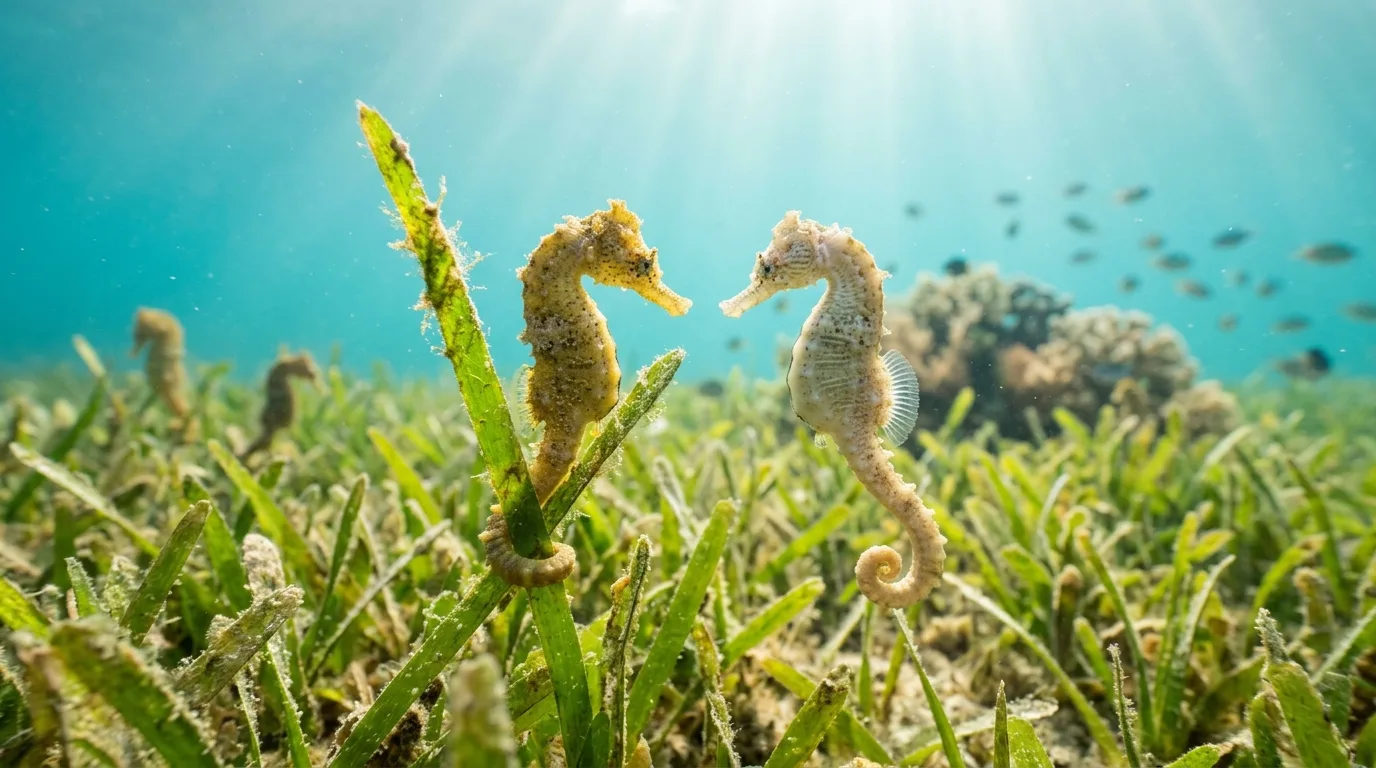
Bohol’s waters host six of the Philippines’ ten known seahorse species, a concentration that underscores the ecological importance of the Danajon Bank. This double barrier reef is the only one of its kind in the country and one of only six on the planet. Its extensive seagrass beds serve as nurseries for countless marine creatures, making it a living laboratory for researchers and a mesmerising destination for divers.
The training arrives at a critical time. Overexploitation and habitat fragmentation threaten these delicate populations, and standardized monitoring is the first line of defense. By teaching locals how to spot different species and document their health, the program builds a community‑based early‑warning system. Healthy seahorse populations signal a thriving reef, which in turn attracts eco‑tourists eager to see something truly rare.
From Knowledge to Marine Protected Areas
Bohol already maintains an impressive network of over 180 marine protected areas, but maintaining them demands constant, high‑quality data. The monitoring skills taught in this training will help BPEMO assess which zones are working and where expansions are needed. Each seahorse sighting logged by a trained community member becomes a data point that shapes the future of the province’s coastal management.
This proactive approach sets Bohol apart as a global Geopark that takes its marine heritage seriously. Tourists who snorkel or dive in these waters can see the results firsthand, often encountering seahorses clinging to corals or drifting through seagrass. The knowledge that their visit supports a robust, science‑backed conservation effort adds a layer of meaning to every trip, encouraging longer stays and repeat visits.
Empowering Communities, Protecting Livelihoods
Beyond tourism, the training strengthens the livelihoods of fishing families who depend on healthy reefs. When coastal communities become active stewards, they are more likely to enforce sustainable practices and report illegal activities. The program thus transforms resource users into frontline conservationists, aligning economic incentives with ecological stewardship.
The Provincial Government of Bohol, led by Governor Aris Aumentado, views initiatives like this as essential to its Strategic Change Agenda on Environmental Protection and Resilience. By investing in people and science, the province ensures that the Danajon Bank remains a source of pride, sustenance, and wonder for generations. For visitors, it means that Bohol’s underwater beauty is not just preserved but actively restored.