A Traditional Rice Dish Built From Simplicity
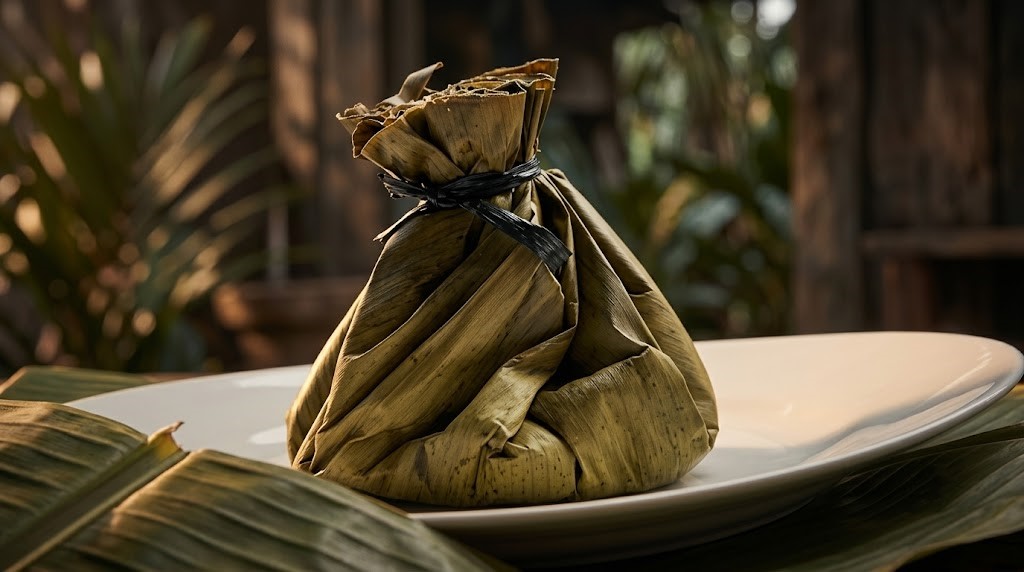
LEYTE - Binutong highlights how Filipino communities transform basic ingredients into meaningful delicacies. Using glutinous rice and coconut milk, the dish reflects the importance of rice-based food traditions in Leyte and other parts of the Philippines. Its preparation shows how traditional cooks create satisfying flavors without relying on complicated ingredients. The wrapping and cooking process also represent traditional Filipino methods of preparing food. These techniques are often passed through families, preserving knowledge that connects generations. The result is a delicacy that carries both flavor and cultural history.
A Food Tradition Worth Rediscovering
Some regional delicacies remain less known outside their communities, but their value comes from the stories behind them. Binutong represents the everyday creativity of local cooks who continue preparing traditional dishes. It reflects a style of cooking where food is closely connected to family, celebrations, and community life. Rediscovering delicacies like binutong gives travelers a chance to explore beyond common food choices. These traditional dishes provide a different perspective on Leyte’s culture because they reveal the practices and flavors that locals have preserved over time.
Why Food Explorers Should Look Beyond Famous Dishes
A visit to Leyte becomes more meaningful when travelers explore the province’s lesser-known culinary treasures. Binutong represents the type of delicacy that introduces visitors to authentic local experiences. It shows that regional food discoveries can be found not only in popular restaurants but also in traditional kitchens and communities. Food traditions continue because people choose to share and appreciate them. Binutong serves as an example of how simple recipes can maintain their importance through generations. For travelers interested in Filipino cuisine, discovering these hidden delicacies adds another story to bring home from Leyte.