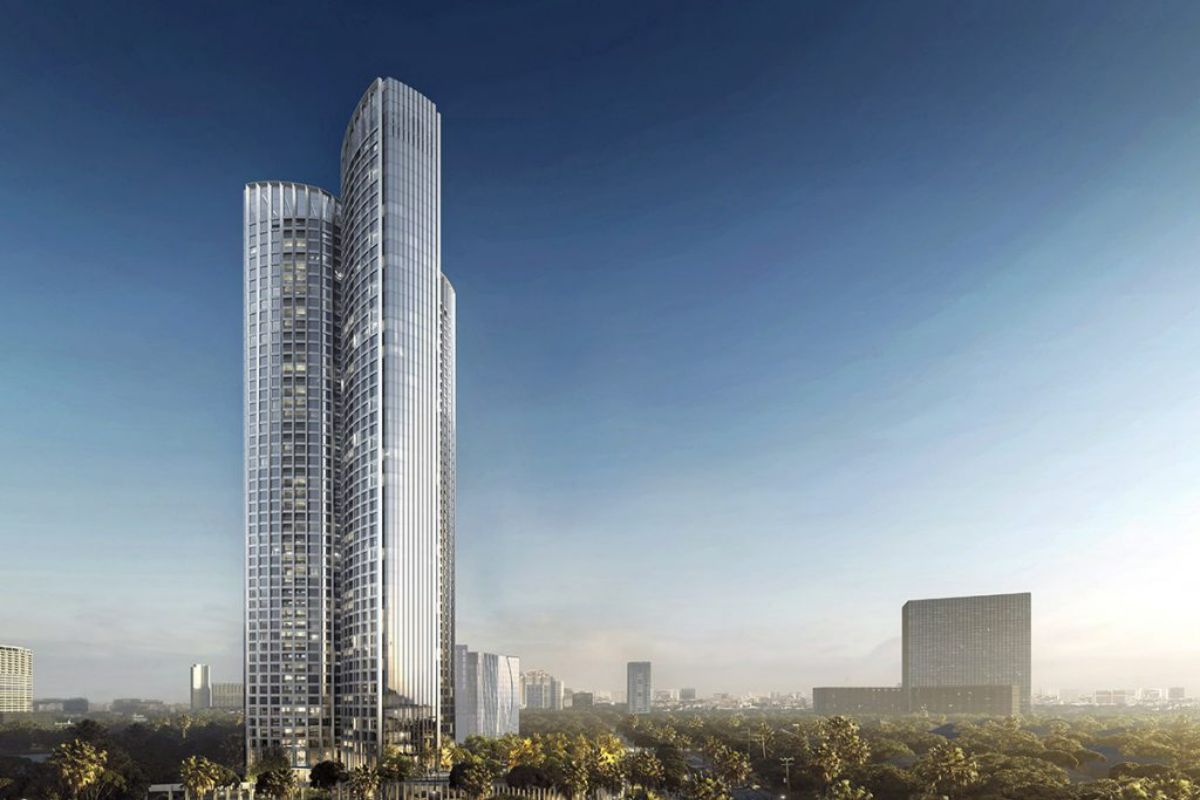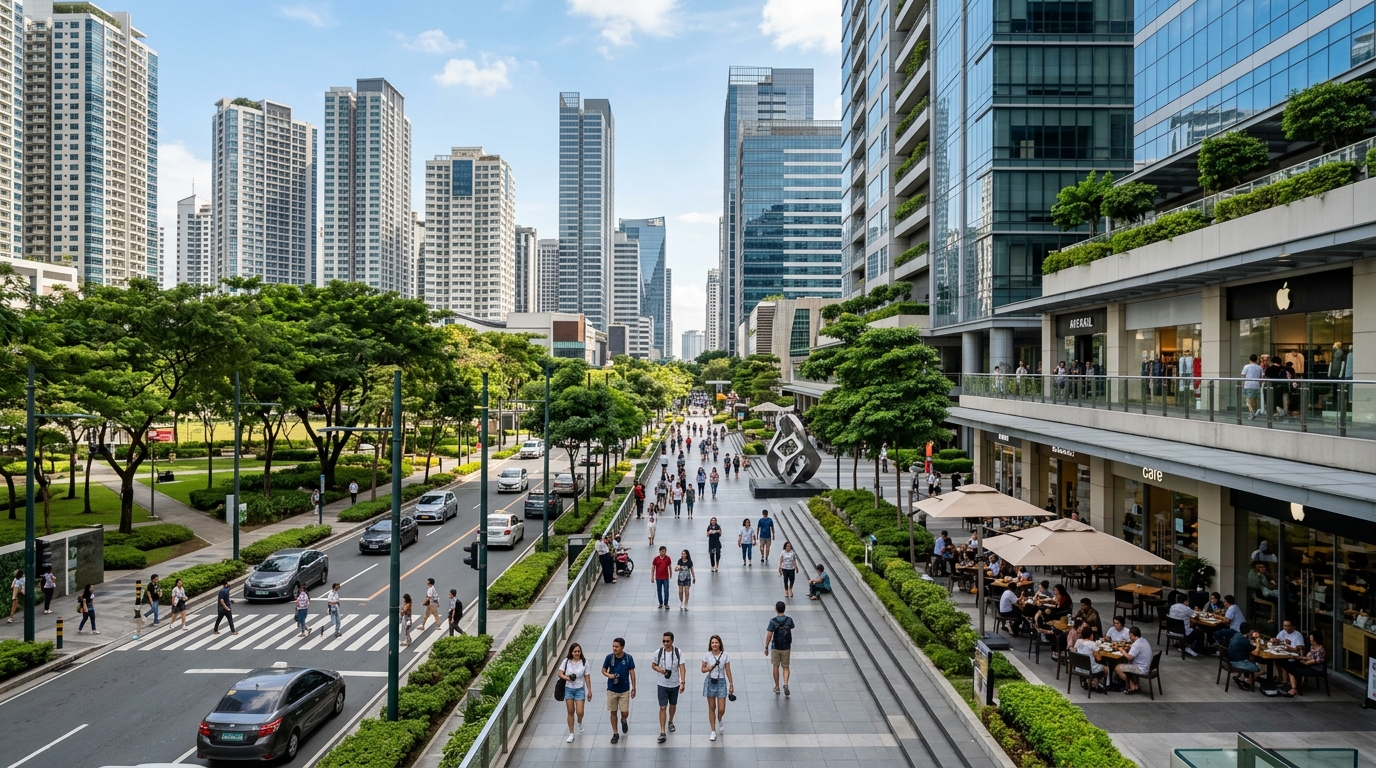
Bonifacio Global City has become one of Metro Manila’s most recognized examples of modern urban planning, and this continues to drive tourism in 2026. Unlike many congested areas in the capital, BGC is designed with wide sidewalks, organized streets, and clearly defined zones for residential, commercial, and recreational use. This layout makes it easier and safer for tourists to explore the district on foot. Visitors often appreciate the clean environment, strict zoning, and overall accessibility of the area. As a result, BGC stands out as a model of a well-managed urban destination.
Another key factor contributing to BGC’s tourism appeal is its mixed-use development approach. Within a single district, tourists can access shopping centers, office buildings, residential towers, parks, and dining areas without needing long travel times. This integration of functions creates a convenient and efficient experience for visitors. Areas like Bonifacio High Street serve as central hubs where people can shop, dine, and relax in an open-air environment. The presence of green spaces and public art also enhances the overall urban experience, making it visually engaging and comfortable.
BGC’s urban design also supports sustainability and long-term livability, which indirectly strengthens its tourism appeal. With better traffic management, pedestrian-friendly roads, and organized public spaces, visitors experience less congestion compared to other parts of Metro Manila. This makes the district more attractive for both short visits and extended stays. Urban planners and developers continue to refine the area to accommodate growing visitor numbers while maintaining order and accessibility. According to travel and lifestyle guides, BGC is often described as a “modern city within a city,” highlighting its structured and future-ready design.