Food Becomes a Window Into Culture
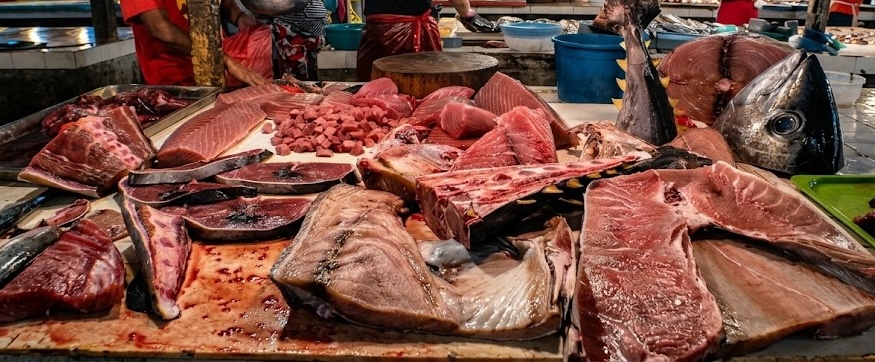
GENERAL SANTOS CITY - For many travelers, General Santos has always meant one thing on the dining table—fresh tuna prepared in countless ways. Yet conversations about the city's food scene are beginning to include recipes that have existed for generations outside commercial restaurants. Traditional Blaan and Moro dishes, many of which rely on native herbs, root crops, and locally available produce, are being documented as part of wider food tourism efforts. Instead of treating these meals as museum pieces, the goal is to encourage people to appreciate them as living traditions that continue to evolve with every family that prepares them.
Preserving Recipes Before They Disappear
One of the most meaningful aspects of the city's culinary program is its emphasis on documentation. Recipes that were previously passed down only through oral tradition are now being recorded, discussed, and presented in ways that make them more accessible to younger generations and curious visitors alike. This process goes beyond writing down ingredients because it also captures preparation techniques, local history, and the cultural significance attached to each dish. By preserving these traditions, General Santos is creating opportunities for food to become both an educational experience and a tourism asset.
A Broader Dining Experience for Future Visitors
As travelers increasingly look for destinations that offer authentic cultural experiences, food becomes one of the easiest ways to understand a place. General Santos already attracts visitors through its seafood industry, but introducing indigenous flavors gives people another reason to stay longer and explore beyond familiar restaurants. Instead of limiting the city's culinary reputation to tuna alone, these initiatives encourage a richer appreciation of Mindanao's diverse food traditions. The result is a dining landscape where every meal has the potential to introduce guests to another chapter of the region's cultural heritage.