Bohol is leveraging its prestigious status as the Philippines' first UNESCO Global Geopark to launch a series of "Smart Geotourism Circuits" this April 19, 2026. These new trails are designed to disperse the record-breaking Easter crowds from the congested beaches of Panglao to the hidden inland wonders of the province. By integrating high-tech digital solutions with traditional Boholano hospitality, the provincial government aims to provide an immersive experience that highlights the island's unique geological and culinary heritage.
Digitizing the Heritage Experience
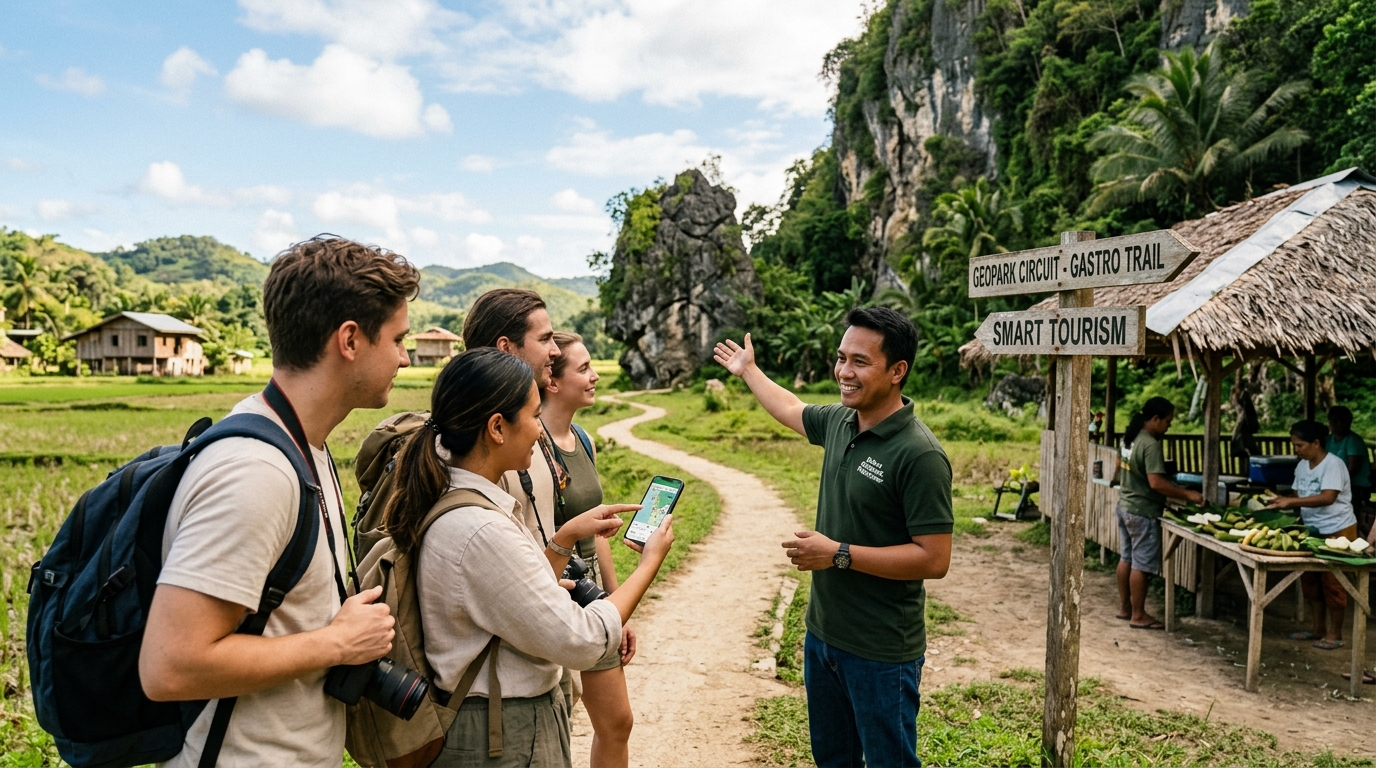
The centerpiece of the 2026 tourism strategy is the integration of "Smart System" updates that provide real-time data to travelers via mobile applications. These circuits allow visitors to follow pre-validated trails that include heritage churches, ancient rock formations, and community-based enterprises that were previously difficult to access. By utilizing these digital guides, the 16,200 passengers who arrived via seaports this week can now explore the island’s interior with greater confidence, reducing the environmental pressure on Alona Beach and the Chocolate Hills Complex.
A Renaissance of Indigenous Gastronomy
As part of the new circuits, the Bohol Provincial Tourism Office (BPTO) is prioritizing "gastronomy trails" that document and showcase historical and indigenous Boholano cuisine. Travelers participating in these Easter Sunday tours can experience authentic Filipino Easter foods, ranging from traditional rice cakes to regional seafood specialties that define the local way of life. This move is a strategic precursor to the UN World Forum on Gastronomy Tourism, which the Philippines will host later this year, positioning Bohol as a premier global destination for food enthusiasts.
Community Engagement and Frontline Excellence
The success of these circuits relies heavily on the "Bohol Island Geopark Frontliner Engagement" program, which has trained hundreds of local guides and hospitality workers in sustainable practices. These frontliners are now equipped to educate visitors on the cultural significance of giant clams and the geological history of the island while providing quality service. By empowering local communities to take ownership of these tourism products, the province is creating a resilient economic model that supports both the conservation of natural resources and the livelihood of thousands of residents.