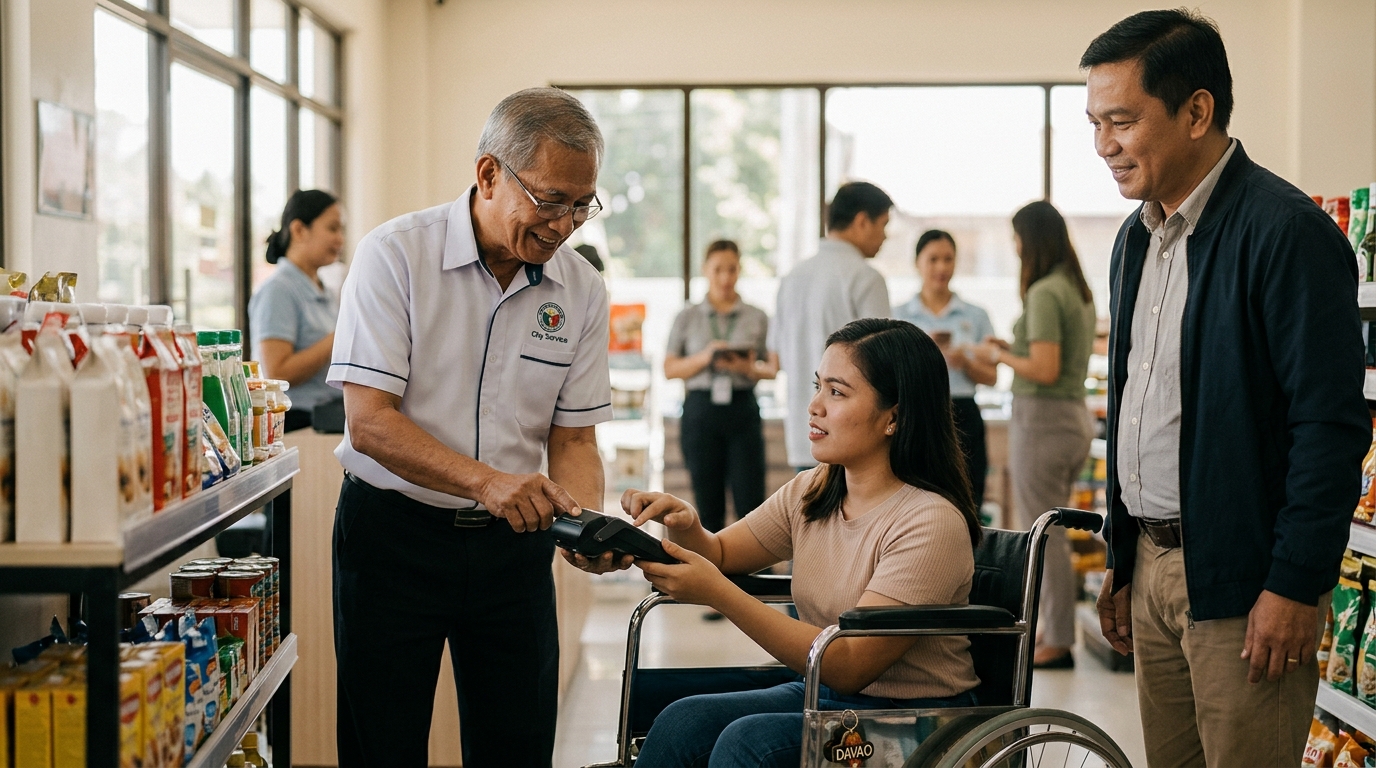
Davao — The city is taking another bold step toward inclusive employment by drafting a new ordinance aimed at incentivizing local businesses to open their doors to senior citizens and persons with disabilities (PWDs). Councilor Lorenzo Benjamin Villafuerte, Chairperson of the Committee on Social Services, announced in early July 2026 that the city is currently working with key stakeholders to finalize a system of tax deductions for establishments that prioritize hiring from these sectors. This proposed legislation seeks to build upon the existing success of the city’s employment programs, transforming temporary job opportunities into a sustainable and rewarding professional landscape for the elderly and differently-abled.
Strengthening the Employment Ecosystem
The push for this ordinance comes on the heels of the successful implementation of the "Senior Citizens Work Opportunity Ordinance," which has already seen hundreds of Dabawenyos deployed in major fast-food chains like McDonald’s and Jollibee. While these initial partnerships have been highly effective, Councilor Villafuerte envisions a broader, city-wide policy that encourages a wider variety of businesses to adopt inclusive hiring practices. By offering tangible financial benefits—specifically through tax deductions—the city aims to offset the operational adjustments companies might make to accommodate senior and PWD workers. This collaborative approach, involving the City Treasurer's Office, the City Legal Office, and the Persons with Disability Affairs Office (PDAO), ensures that the incentives are both fiscally responsible and impactful for the beneficiaries.
A Commitment to National Disability Week
The timing of this legislative push is strategic, with city officials aiming to finalize and pass the ordinance before the National Disability Prevention and Rehabilitation (NDPR) Week, which commences on July 17, 2026. This aggressive timeline reflects the city government's determination to keep the momentum high following the positive feedback from the second batch of senior citizen workers deployed earlier this year. As Davao City continues to evolve as a model for social welfare in the Philippines, these legislative efforts send a clear message: retirees and individuals with disabilities are not just citizens to be assisted, but capable, experienced, and productive members of the community who have much to contribute to the city’s growing economy.