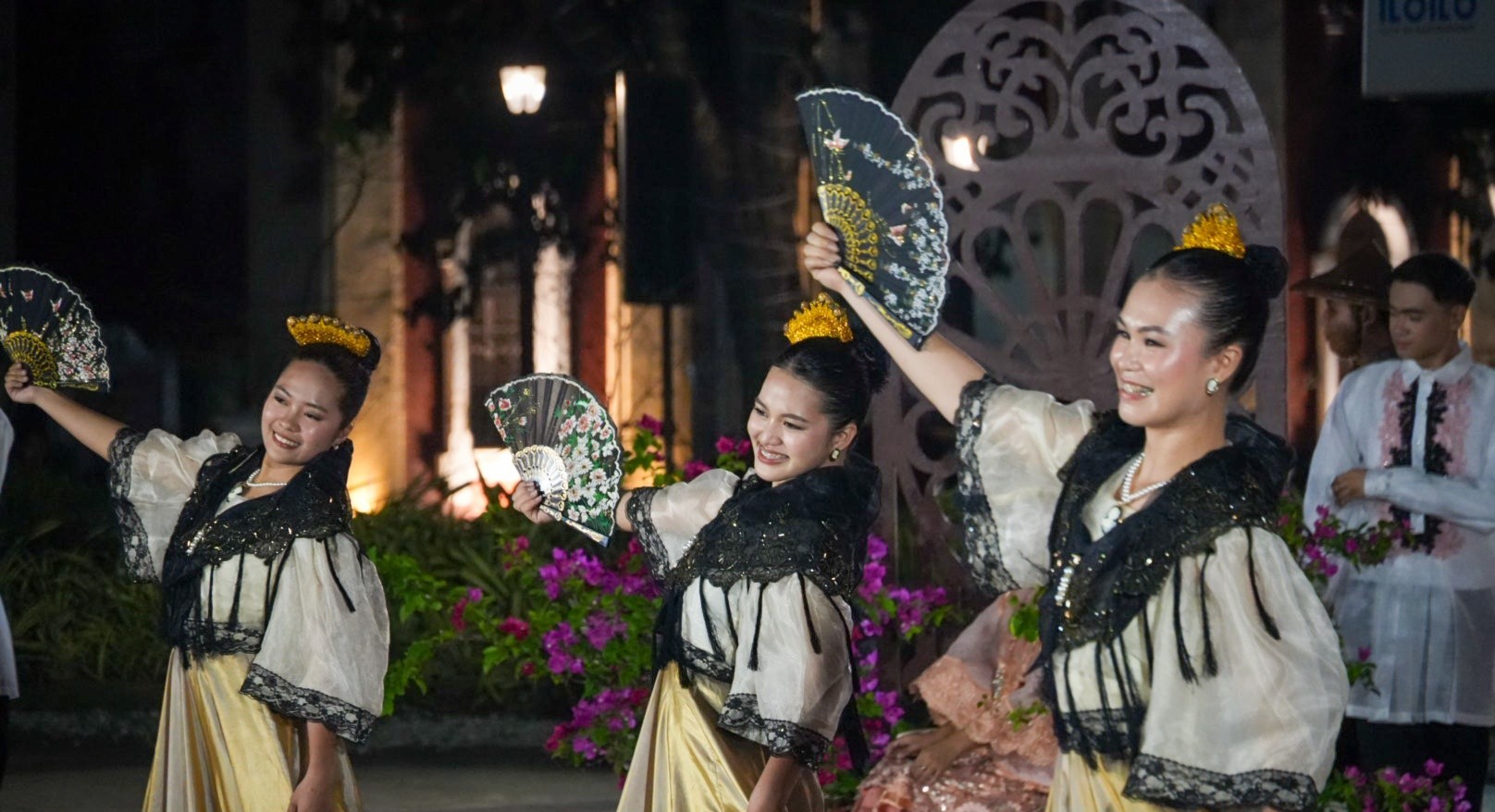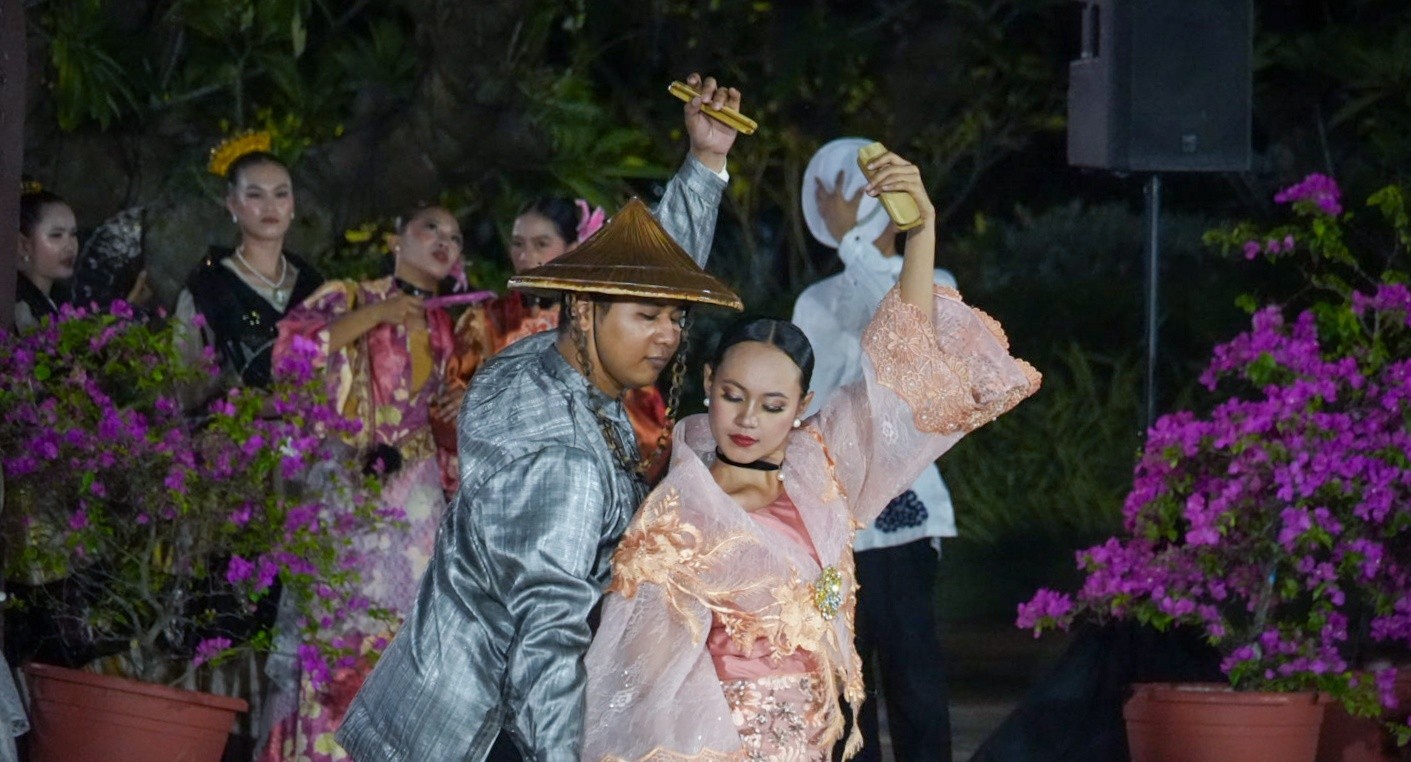
ILOILO CITY — On May 26, 2026, Plaza Libertad—one of Iloilo City's most historic landmarks—became a living stage for the Spanish era. The production "Bayle sa Plaza Libertad" unfolded as part of National Heritage Month, drawing an audience that watched students in period costume move through courtly steps and fan flourishes. The evening was a deliberate act of cultural preservation, using dance to bridge the city's colonial past with its present identity as a UNESCO Creative City of Gastronomy and an ASEAN Clean Tourist City.
Students from West Visayas State University, Iloilo City National High School, and St. Therese MTC Colleges performed the choreographed sequences. Their movements recalled the formal balls of the Spanish period but carried the unmistakable warmth of Filipino performance. The production emphasized the role of young people in safeguarding heritage—not merely as spectators but as active participants who learn, embody, and transmit tradition. The choice of Plaza Libertad, a site that has witnessed centuries of Ilonggo history, added depth to the performance.
A Historic Plaza That Anchors Tourism
Plaza Libertad holds a singular place in Iloilo's heritage landscape. It was here that the Spanish flag was lowered and the Philippine flag raised for the first time in the Visayas. Today, the plaza anchors the Calle Real heritage corridor, which the city government and UP Visayas are actively preserving through a multi‑year redevelopment program. The Cultural Heritage Tourism Zone, declared under Republic Act No. 10555, encompasses the plaza and its surrounding historic buildings.
For cultural tourists, "Bayle sa Plaza Libertad" is precisely the kind of authentic, site‑specific experience that distinguishes Iloilo from destinations offering generic entertainment. The production was not staged in a modern theater but on the very stones where history unfolded. The event reinforced the city's Living Heritage Museum Tour, launched earlier in May, which guides visitors through ten historic sites. A traveler attending the dance performance could walk the same plaza the next morning as part of a curated heritage itinerary.
A Legacy Passed to the Next Generation
Beyond the tourism appeal, the production carried a deeper civic message. The participation of high school and university students signaled that Iloilo's heritage is not confined to museums but lives in the bodies and memories of its youth. The National Heritage Month celebration provided the institutional framework, but the energy on stage belonged entirely to the performers.
For Iloilo, events like "Bayle sa Plaza Libertad" strengthen the city's cultural brand. They demonstrate that the city's historic landmarks are not merely preserved but activated—used as venues where the past is performed, not just remembered. As the city continues to draw MICE events, gastronomic tourists, and eco‑travelers, its heritage programming adds a layer of depth that distinguishes Iloilo from destinations built solely on natural attractions or modern infrastructure.