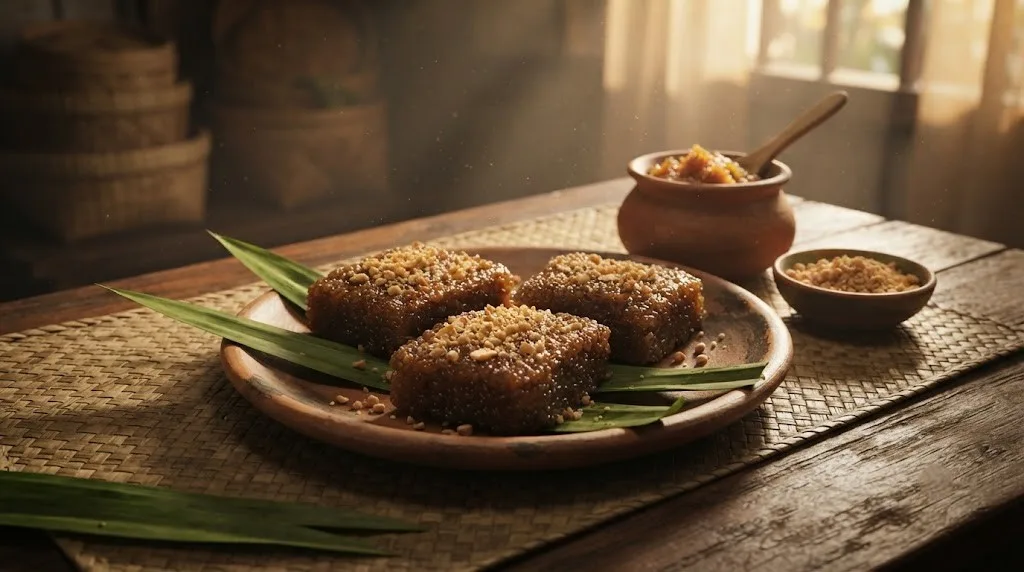
A Dessert Made With Familiar Ingredients
BACOLOD - Biko uses simple ingredients but creates a rich and satisfying dessert experience. Its sticky rice base combined with coconut and sweetness represents the creativity of Filipino cooking. The dish reflects how traditional recipes often rely on balance rather than complexity. The delicacy also shows how Filipino cooks transform common ingredients into something meaningful. Rice, coconut, and sugar are everyday elements, but through careful preparation, they become a dessert associated with celebrations and special memories. Biko’s appeal comes from its comforting taste and familiar texture. It does not depend on complicated techniques or modern presentation to remain appreciated. Instead, its strength comes from the connection people have with the dish and the memories often attached to it.
Food That Belongs to Gatherings
Like many Filipino delicacies, biko is often associated with sharing. It appears during celebrations and moments when families come together. This connection gives the dessert meaning beyond taste. The presence of biko during important occasions reflects how food becomes part of Filipino traditions. It is often prepared not only to be eaten but also to bring people together around the table. In Bacolod, delicacies like biko contribute to the wider story of local food culture because they represent the importance of hospitality and community. These dishes show how sharing food remains an essential part of Filipino experiences.
Keeping Traditional Recipes Alive
Biko continues because people continue preparing it. Each generation that learns the recipe helps preserve a piece of Filipino food heritage. In Bacolod, such delicacies contribute to the wider story of local cuisine. Traditional recipes survive because they remain connected to everyday life. They are prepared in homes, shared during occasions, and remembered through personal experiences. As food trends continue changing, biko remains relevant because it represents authenticity and familiarity. It proves that heritage foods do not need constant changes to remain meaningful—they continue through the people who value and preserve them.