A Classic Food With Cultural Roots
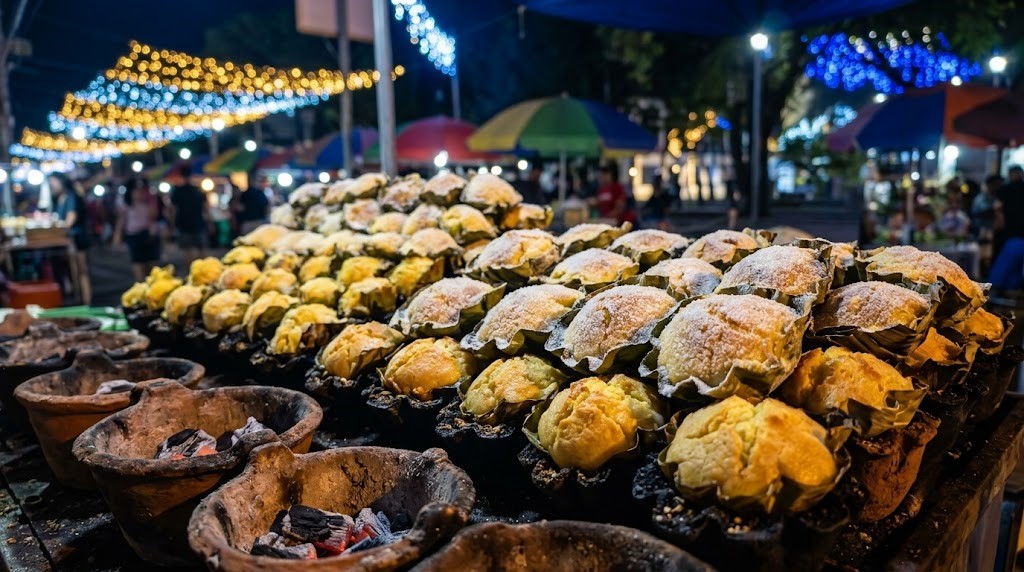
Bibingka represents a long-standing Filipino tradition of creating desserts from rice-based ingredients. Its preparation reflects the importance of food during celebrations and gatherings. The delicacy continues appearing in different regions with variations that reflect local preferences. Its popularity comes from its comforting qualities and connection to familiar occasions. The aroma, texture, and flavors often remind people of shared experiences with family and community. The continued appreciation for bibingka also shows how traditional recipes remain relevant even as modern desserts become more popular. While new food trends continue appearing, classic delicacies like bibingka maintain their place because of their cultural meaning and familiarity. The dish serves as a reminder that food can preserve stories and traditions beyond just taste.
A Dessert That Connects Generations
Traditional foods like bibingka survive because they are continuously introduced to younger generations. Families pass down preparation methods, making the delicacy part of cultural memory. In Bacolod’s evolving food environment, these traditional treats remain relevant because they provide a connection to the past while still being enjoyed today. Bibingka also represents the role of homemade cooking in keeping traditions alive. Many Filipino families associate the delicacy with moments when people gather together, making it more than just a dessert. It becomes part of celebrations where food helps strengthen relationships and create lasting memories.
A Dessert That Connects Generations
Traditional foods like bibingka survive because they are continuously introduced to younger generations. Families pass down preparation methods, making the delicacy part of cultural memory. In Bacolod’s evolving food environment, these traditional treats remain relevant because they provide a connection to the past while still being enjoyed today. Bibingka also represents the role of homemade cooking in keeping traditions alive. Many Filipino families associate the delicacy with moments when people gather together, making it more than just a dessert. It becomes part of celebrations where food helps strengthen relationships and create lasting memories.