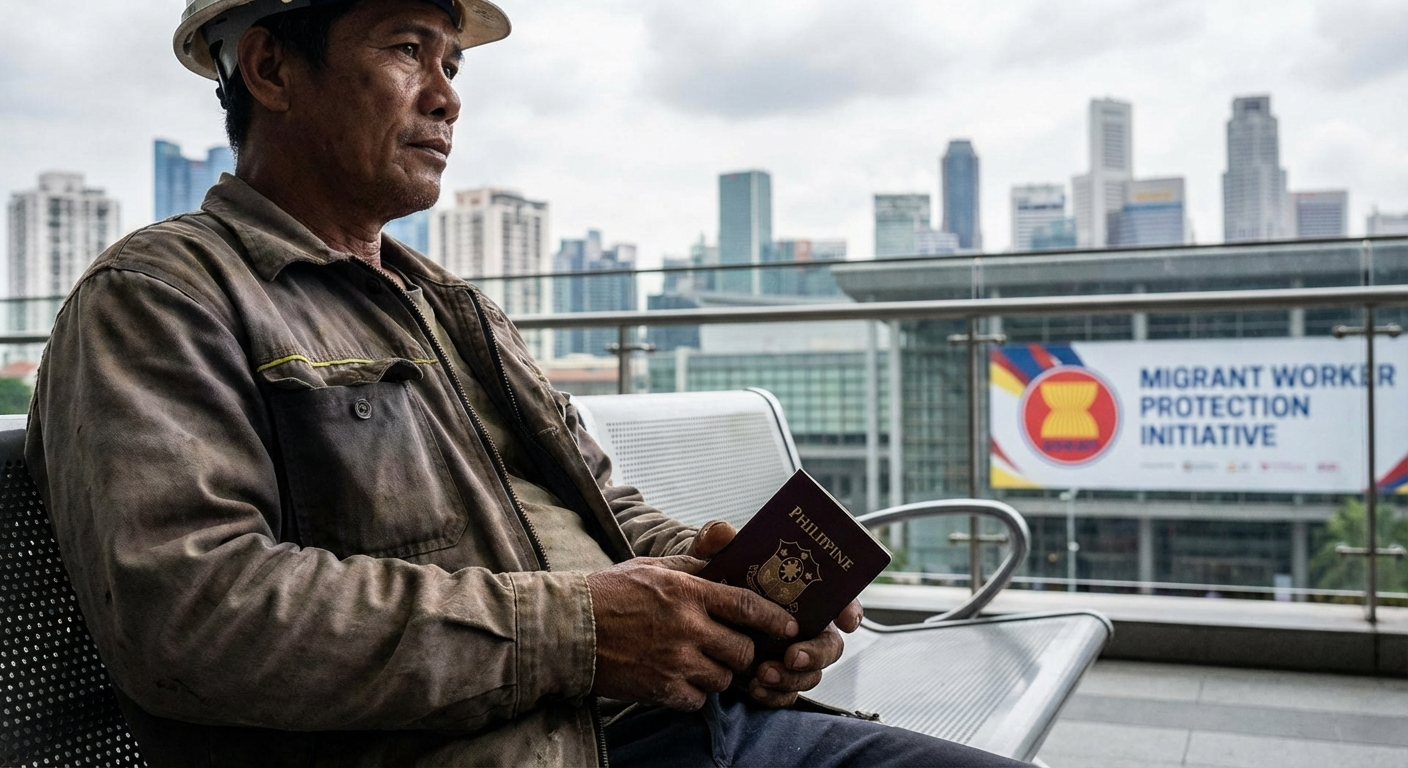
The 48th ASEAN Summit and its related meetings are set to proceed in May, albeit in a significantly streamlined format. Philippine President Ferdinand Marcos Jr. announced that the upcoming summit would be a "very bare-boned" event, a strategic move to reduce operational costs. Crucially, President Marcos Jr. highlighted that discussions would concentrate on three vital topics: oil, food, and migrant workers. This focused agenda underscores the pressing regional challenges facing Southeast Asia and, particularly, the Philippines' commitment to advocating for its expansive global workforce. The decision to narrow the summit's scope and specifically include migrant workers on the core agenda is a notable development for the region. For the Philippines, a major labor-sending nation, this focus presents a timely opportunity to address the welfare and protection of its citizens working abroad. Discussions are expected to revolve around enhancing regional cooperation on labor policies, ensuring fair employment practices, and strengthening support mechanisms for migrant populations within the ASEAN bloc and beyond. This could lead to more robust agreements that safeguard the rights and improve the working conditions of Overseas Filipino Workers (OFWs). Why It Matters For the Philippines, the inclusion of migrant workers as a top priority holds profound significance. Millions of Filipinos form the backbone of various industries across the globe, with their remittances serving as a critical pillar of the Philippine economy. By bringing migrant worker issues to the forefront of a major regional summit, the Philippine government can champion initiatives aimed at preventing exploitation, facilitating easier and safer migration pathways, and ensuring access to legal and welfare services for its citizens. Improved regional frameworks resulting from these discussions could directly benefit Filipino families by providing greater stability and protection for their loved ones working overseas. What Filipinos Need to Know Filipinos, both those residing in the Philippines and OFWs globally, should closely monitor the outcomes of the 48th ASEAN Summit. Potential developments could include new bilateral or multilateral agreements on labor mobility, enhanced grievance mechanisms for workers, or stronger regional commitments to combating human trafficking and illegal recruitment. For OFWs, this focus could translate into more secure job placements, better access to justice in host countries, and improved social protection. For families in the Philippines, a more secure and supported OFW population ultimately means more stable remittances and reduced anxieties about their relatives' well-being abroad. This summit represents a vital platform for the Philippines to solidify its leadership in championing migrant workers' rights on a regional stage.