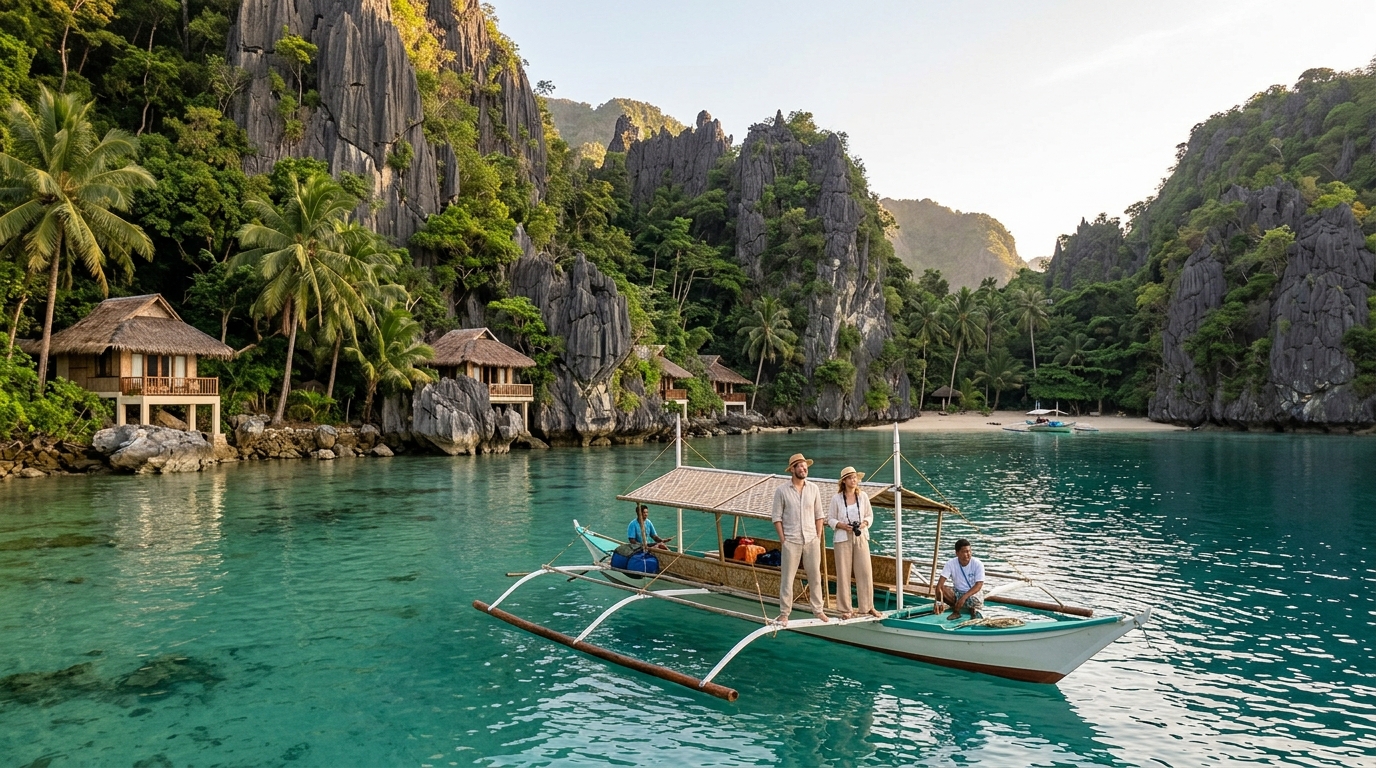
Philippines — With the tensions still destabilizing the traveling trends in the Middle East, travel platforms and tourism experts are looking at the Philippines as one of the most viable and attractive options to people who want to enjoy safety, meaningful leisure experiences, and rich cultural experiences.
Recent data of travel platform Klook highlight a larger regional change. In its Travel Pulse 2026 study published this March, the Filipinos themselves are showing a preference towards short- and medium-haul destinations, with Vietnam bookings increasing 193% and Taiwan bookings increasing 124.4% year-on-year. Klook Philippines General Manager Michelle Ho directly links the trend to the Middle East situation: "Because of the ongoing conflict in the Middle East, because of the oil price swings, we're seeing that Filipinos are still traveling but choosing to travel closer to home." The crisis may also become an opportunity for the Philippines to develop domestic tourism."
The same applies to international travelers. As the traditional destinations become uncertain, the people are increasingly considering places that provide security, nature experiences, and a warm, welcoming culture. The Philippines is an ideal destination in this regard.
A Natural Haven from Urban Stress
Unlike heavily urbanized tourism hubs, the Philippines offers what analysts describe as a "less modern, eco-aligned" escape. The country has 7,641 islands and offers a diverse pool of low density, nature based destinations, including the limestone cliffs of Palawan up to the surfing friendly beaches of Siargao.
"These are not just beach destinations," said Anthony Gerard O. Leuterio, president of Bayanihan.com, a portal focused on promoting the Philippines, its tourism, culture, events, and the lives of Filipinos overseas through a network of partners across North America, Southeast Asia, and Europe. "They are environments in which visitors can unplug from hyper-digital lifestyles and reconnect with slower, more grounded ways of living."
One that continues to be a key attraction is eco-tourism. Marine reserves, community based tourism programs and jungle retreats offer a completely contrasting experience to the high-rise and luxury-centered tourism of more developed regions.
Accessibility and Cultural Warmth
Accessibility is another factor that makes the Philippines more attractive. The major hubs like Cebu City and Manila can be used as the gateway to more isolated places and it is easy for the travelers to switch between urban and rural places.
Equally important is the country's reputation of hospitality. English language skills, combined with an ingrained culture of warmth, makes it easier for international visitors to get around and to feel welcome.
For those who wish to immerse themselves even before setting foot in the country, other platforms like Bayanihan.com offer a window to the Filipino culture all around the world. Launched in October 2024 as a free portal of Filipino events, festivals and community gatherings. Its mission, as described by founder Anthony Leuterio, is "to bridge Filipinos all over the world, promoting and celebrating vibrant Filipino culture through local and international events."
A Shift Toward Intentional Travel
The current geopolitical climate appears to be accelerating an increase in a larger trend in tourism behavior. Travelers are increasingly seeking destinations to visit that are not only luxurious but also wellness-focused, sustainable, and authentic.
"In times of global uncertainty, people review what they want from travel," Leuterio added. "The Philippines has simplicity, biodiversity and that sense of calm that's harder to find elsewhere."
Challenges Remain
The Philippines also faces infrastructure and connectivity issues in some of its remote locations despite its advantages. But to most travelers these restrictions are part of the appeal, and contribute to a more immersive and less commercialized experience.
Outlook
With the global travel keeping up with the changing risks, the Philippines is in a prime position to capitalize on the rising interest in destinations that combine safety and environmental richness. To tourists who want to find a way to escape not only geopolitical tension, but also modern excess, analysts believe that the country can be not only an alternative, but the most rational option at this point in time.